Free
Support
Windsor Castle, the largest and oldest occupied castle in the world, is one of the official residences of Her Majesty The Queen. The Castle's dramatic site encapsulates 900 years of British history. It covers an area of 26 acres and contains, as well as a royal palace, a magnificent chapel and the homes and workplaces of a large number of people. What there is to see: The magnificent State Apartments are furnished with some of the finest works of art from the Royal Collection, including paintings by Rembrandt, Rubens, Canaletto, Gainsborough and the famous triple portrait of Charles I by Sir Anthony van Dyck. In 1992 fire destroyed or damaged more than 100 rooms at the Castle. By good fortune the rooms worst affected were empty at the time, and as a result, few of the Castle's artistic treasures were destroyed. The highly acclaimed restoration work, completed in 1997, is a testament to the extraordinary skills of some of the finest craftsmen in Europe. From October to March visitors can also enjoy George IV's private apartments (the Semi-State Rooms), among the most richly decorated interiors in the Castle. St George's Chapel is one of the finest examples of Gothic architecture in England. It is the spiritual home of the Order of the Garter, the senior order of British Chivalry established in 1348 by Edward III. Within the chapel are the tombs of ten sovereigns, including Henry VIII and his third wife Jane Seymour, and Charles I. Among the highlights of a visit to Windsor is Queen Mary's Dolls' House, the most famous dolls' house in the world. The Drawings Gallery shows changing exhibitions of material from the Royal Library at Windsor Castle. The special display below is shown alongside a selection of treasures from the Royal Library.
List of included attractions Bar Convent Barley Hall Cliffords Tower DIG Fairfax House Goddards Henry VII Experience Jorvik Merchant Adventurers' Hall National RM Road Train Richard III Roman Bath Treasurers House York Army Museum York Art Gallery York Boat York Brewery York Castle Museum York City Sightseeing York Cold War Bunker York Dungeon York Minster York's Chocolate Story Yorkshire Museum Beningbrough Hall Birds of Prey Centre Byland Abbey Captain Cook Castle Howard Eden Camp Helmsley Castle Helmsley Walled Garden Maze Murton Park North Yorkshire Moors Railws Reivaulx Abbey Scampston Walled garden
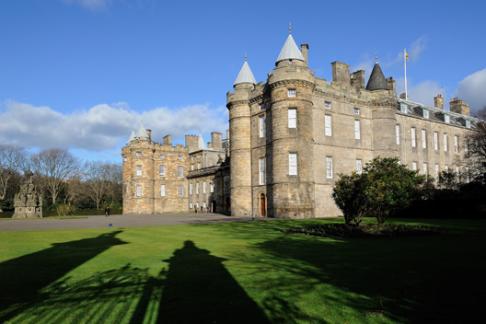
The Palace is perhaps best known as the home of Mary, Queen of Scots, and as the setting for many of the dramatic episodes in her turbulent reign. Mary was married at Holyroodhouse and witnessed the brutal killing of her secretary Rizzio by her jealous second husband, Lord Darnley, in her private apartments. The Palace briefly served as the headquarters of Bonnie Prince Charlie during the 1745 uprising. Today the State Apartments are used regularly by The Queen and other members of the Royal Family for State ceremonies and official entertaining. What there is to see: The State Apartments reflect the changing tastes of successive monarchs and are renowned for their fine plasterwork ceilings and magnificent furnishings, particularly the unrivalled collection of Brussels tapestries. One of the most famous rooms in the Palace is the Great Gallery, hung with Jacob de Wet's portraits of the real and legendary kings of Scotland. Included on the visit, a display focuses on the Order of the Thistle, the highest honour in Scotland. The Order honours Scottish men and women who have held public office or who have contributed in a particular way to national life. Shown alongside historic insignia is an example of the mantle worn at the Thistle ceremony at St Giles’ Cathedral in Edinburgh, which The Queen attends during her visit to the Palace in July. From 1 April to 31 October the gardens, which are today used for garden parties, can be included as part of a visit to the Palace of Holyroodhouse. Visitors to the gardens must keep to the paths, which are about 400 yards long. The Queen's Gallery at the Palace of Holyroodhouse in Edinburgh hosts a programme of changing exhibitions from the Royal Collection. Book here. Image Credits: 1.Royal Collection Trust / © Her Majesty Queen Elizabeth II 2018 2.Photographer: Peter Smith. Royal Collection Trust / © Her Majesty Queen Elizabeth II 2018
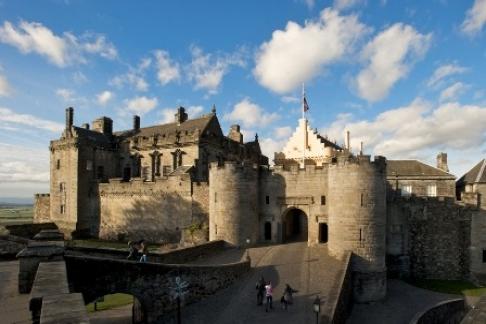
Stirling Castle is a great symbol of Scottish independence & a source of national pride. The Castle's long, turbulent history is associated with great figures from Scotland’s past such as William Wallace & Mary Queen of Scots. The Royal Palace The Palace at Stirling Castle allows visitors to step into the astonishing richness of royal life in the 1500s. James V’s Palace at Stirling is one of the finest and best-preserved Renaissance buildings in Great Britain. Following a major programme of research and re-presentation, it can now be seen by visitors much as it may have looked on completion around 1545. The decoration of the Palace’s six main rooms is overwhelmingly colourful, rich and elaborate. James and his French wife Mary of Guise aimed to present themselves as wealthy, learned and sophisticated. The decorative style belongs to the Renaissance – a great flowering in arts, literature and philosophy that revolutionised Europe in the 1400s and 1500s. Bright colours, expensive fabics and ornate patterns were essential elements. But this was not flamboyance for its own sake. The decorative scheme was filled with messages about power, prosperity and plenty. It was not limited to the interior chambers but also extended to the exterior walls, embellished with hundreds of statues and other stone-carvings. Why not combine your visit to Stirling Castle with other famous attractions and activities in Central, Tayside & Fife such as Discovery Point & RRS Discovery or Loch Lomond Aquarium
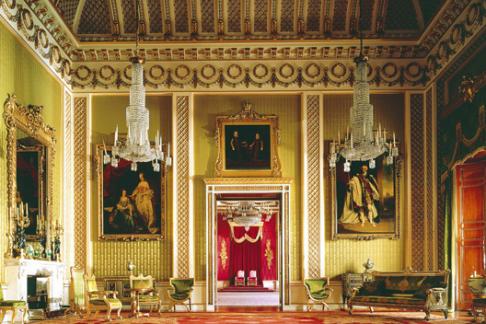
Buckingham Palace serves as both the office and London residence of Her Majesty The Queen, as well as the administrative headquarters of the Royal Household. It is one of the few working royal palaces remaining in the world today. Today the Buckingham Palace State Rooms are used extensively by Her Majesty The Queen and Members of the Royal Family to receive and entertain their guests on State, ceremonial and official occasions. When The Queen makes her annual visit to Scotland, the Palace's nineteen state rooms are open to visitors. What there is to see? The Buckingham Palace State Rooms form the heart of the working palace and are lavishly furnished with some of the greatest treasures from the Royal Collection - paintings by Rembrandt, Rubens, Poussin and Canaletto; sculpture by Canova; exquisite examples of Sèvres porcelain; and some of the finest English and French furniture. The Garden Described as a 'walled oasis in the middle of London', the Palace's garden is home to thirty different species of bird and more than 350 different wild flowers, some extremely rare. Visitors end their tour with a walk along the south side of the garden, with splendid views of the west front of the Palace and the famous lake. Multimedia Guide A multimedia guide is included in the ticket price and is available in English, French, German, Spanish, Italian, Brazilian Portuguese, Japanese, Russian and Mandarin. There is also a family multimedia guide (in English only) and accompanying activity trail, suitable for children 7-11 years. Changing of the Guard The Changing of the Guard ceremony takes place at 11:30 daily from April until the end of July and on alternate days for the rest of the year, weather permitting. The new guards arrive at the forecourt of the Palace at 11:30 from Wellington Barracks. The journey takes about 5 minutes and the soldiers are accompanied by a band. The ceremony is conducted on the Palace forecourt and takes approximately forty minutes to complete. [The Army have not yet released the schedule for July, August or September.] Wheelchair Access If you require wheelchair access or the use of the lift, you should not book with 365 Tickets.co.uk and should pre-book tickets directly with Buckingham Palace. Access booking line: 030 3123 7324 or email [email protected] Image Credits: Image 1: Photographer: Derry Moore, Royal Collection Trust / © Her Majesty Queen Elizabeth II 2013 Image 2 : Photographer: Peter Smith, Royal Collection Trust / © Her Majesty Queen Elizabeth II 2013 Image 3 : Photographer: Andrew Holt, Royal Collection Trust / © Her Majesty Queen Elizabeth II 2013 Image 4: Photographer: Derry Moore, Royal Collection Trust / © Her Majesty Queen Elizabeth II 2013