Free
Support

We leave the central office of Cityrama on the Rue de Rivoli and drive via the Place de la Concorde, Champs Elysées as far as the Arc de Triomphe. You then drive towards the 16th district, known as one of the most prestigious areas in Paris. The first stop is at the quai de la Bourdonnais and you board your Bateaux Parisiens boat for a cruise with audio-commentary available in 12 languages along the River Seine. (Duration : 1 hour). On leaving the cruise you catch the famous Eiffel Tower lift as far as the 2nd floor. The tour ends at the Eiffel Tower. Included Highlights: Guided tour of Paris in a luxury panoramic air-conditioned coach 1 hour Bateaux Parisiens Cruise on the Seine, with commentary in 12 languages Visit the 2nd floor of the Eiffel Tower for a breathtaking panoramic view Service of a multilingual guide Tour Departs: In winter 09:00, 12:00, 14:45 - In summer 09.00 / 10.00 / 12.00 / 13:00 / 15.00 Duration: 4 Hours approx. Tour Departs: In winter 10:00, 12:00, 15:00 - In summer 09.00 / 10.00 / 12.00 / 13:00 / 15.00 Duration: 4 Hours approx. Important Operation Information : In 2018, Eiffel Tower will renovate its lifts. The renovation will last at least 12 months and implies that one lift will be out of service during this period. We will keep you informed of any further notice.
The beautiful landscape of the Montserrat mountains isn't far from Barcelona. Breath taking views await you when you take a ride on the rack railway. Once you've arrived, you'll be able to enjoy a full guided tour which will take you to the Benedictine Monastery and the statue of the Virgin of Montserrat, popularly known as the Moreneta, or Black Madonna. During your visit you'll be serenaded by the magical voices of the world-renowned boys' choir, the Escolania de Montserrat.
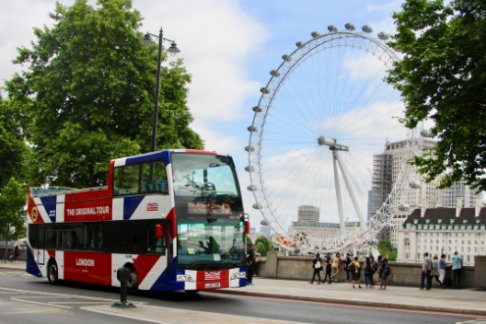
The Original London Sightseeing Tour A spectacular day out for all the family! THE TOURS The Original Tour (Yellow Route) Hop-on and off our tours at your leisure exploring London's sights in safety and comfort. Get the most out of your visit with a fun & informative English guided commentary provided by our professional tour hosts. The route takes in London's most famous sights; including Buckingham Palace, Big Ben & the Houses of Parliament, Downing Street, The London Dungeon, Tower Bridge and The Tower of London. Commentary - English Live Guided Bus Times - The Original Tour (Yellow Route) departs every 20 minutes from Whitcomb Street between 08:30 to 18:00. Tour Duration: 2 hours 15 mins Last full Yellow tour: 16:30 Mon-Thurs, Fri-Sun 17:00 Departure Points - We recommend you join this tour from our Visitor Centre or Piccadilly Circus. The City Sightseeing Tour (Red Route) Our City Sightseeing route takes in all of London's landmark attractions and offers entertaining, multi-lingual commentaries. Children can also enjoy our superb Kids' Channel on the Red Route. The route takes in the capital's most famous sights including Buckingham Palace, Big Ben & the Houses of Parliament, Downing Street, Madame Tussauds, The London Dungeon, Tower Bridge and The Tower of London. Commentary - Digitally Recorded Multi-Lingual in English, French, Spanish, Italian, Russian, German, Japanese, Portuguese & Kids' Channel. Bus Times: First red tour departs at 0830 from Grosvenor Gardens with departures every 10-15 minutes thereafter. Mon–Thurs last tour 16:50 and Fri-Sun last tour from 17:20 Tour Duration: 2 hours 15 mins Departure Points - We recommend you join this tour from Victoria, Visitor Centre or Piccadilly Circus. The Museum Tour (Blue Route) In addition to our two popular main tour routes, customers of The Original Tour can enjoy the delights of London's top museum districts relayed to them through the superb digital commentary. Enjoy the many attractions, shops and museums along the Blue route which runs from the British Museum down to Kensington and Knightsbridge for Kensington Palace, Harrods, the V&A, Natural History and Science Museums, whilst listening to an informative and entertaining commentary. Commentary - Digitally Recorded Multi-Lingual in English, French, Spanish, Italian, Russian, German, Japanese, Portuguese & Kids' Channel. Bus Times - First Blue Tour from Woburn Place 08:30, from Kensington Palace Gardens 08:15 daily, every 15-20 minutes thereafter daily. Last Full Blue Tour 17:15 from Kensington Palace Gardens to Woburn Place daily. Last Full Blue Tour 17:30 from Woburn Place to Kensington Palace Gardens daily. Tour Duration: 2 hours 15 mins Departure Points - We recommend you join this tour from Piccadilly Circus. Purple Route - Capital Connector (T6) The Purple Route is useful if you are staying in a hotel located in Bayswater, Notting Hill, Holland Park or Lancaster Gate or wish to go shopping at Westfield Shepherds Bush. Operating in both eastbound and westbound directions, the Purple Route operates more frequently in an eastbound direction, enabling you to join our Yellow sightseeing route at Marble Arch. Frequency: Every 20-30 minutes. EXPLORE LONDON FREE WALKING TOURS Get up close to London's incredible history. Included FREE with every bus tour ticket! Three fabulous walks put you at the heart of the world's most exciting city: Changing the Guard Walk: See Buckingham Palace, St James's Palace and the regiments that guard them in this exciting walk as you march alongside the guards at Buckingham Palace.* Departs daily 10:00am from The Original London Visitor Centre Rock ‘n’ Roll Walk: Take a 90 minute walk through the heart of London’s rocking heritage: The Beatles, The Rolling Stones, David Bowie and The Sex Pistols – it’s only rock ‘n’ Roll, but I like it! Departs daily 13:00 from The Original London Visitor Centre Jack the Ripper Walk: Walk in the footsteps of the world's most infamous serial killer as we reveal his murderous tale from the dark street of Whitechapel in 1888. Departs daily 16:00 from The Original Tour bus stop 11 at the Tower of London on Tower Hill * On non-guard change days (Tuesday, Thursday and Saturday) the walking tour will take you to see the Changing of the Horse Guard (at horse guards parade) and will then visit Buckingham Palace. The guard change does not take place if it is raining. ** All tours take approximately 90 minutes. Please note that the Jack the Ripper walk will finish at Aldgate East tube station and not at one of our bus stops. *** Walking tours are included FREE with an Original Tour ticket but can be purchased separately at £9 GBP each. MAIN DEPARTURE POINTS: The Original London Visitor Centre The newly opened London Visitor Centre is your one-stop-shop to the Capital and beyond. Visit us at our Trafalgar Square address for expert help from our excellent travel advisers. You can also purchase tickets for a range of exciting activities. Opening Hours: Monday-Saturday 08:30 to 18:00 Sunday & Bank Holidays 09:00 to 17:30 Address: 17-19 Cockspur Street, Trafalgar Square Nearest Tube: Charing Cross or Piccadilly Circus Start Point 1 - PICCADILLY CIRCUS Directions: Yellow Route From Whitcomb Street: The stop is by the McDonald's between Piccadilly Circus and Leicester Square. Red Route From Haymarket: The stop is outside the Theatre Royal. Green & Blue Routes From Rupert Street: The stop is outside 'Yo Sushi' restaurant on Rupert Street No.19. Timetable - Frequency approx. 10 mins Yellow Route: First Bus 08:30, Last Full Tour 18:00 Red Route: First Bus 09:15, Last Full Tour 16:20 Green Route: First Bus 09:52, Last Full Tour 14:10 Blue Route: First Bus 08:45, Last Full Tour 17:15 Start Point 2 - TRAFALGAR SQUARE Directions: Yellow & Red Routes From Trafalgar Square (North Side): The stop is located opposite The Original London Visitor Centre at Stop 'Z', by the Sainsbury Wing of the National Gallery. Green Route From Northumberland Avenue: The stop is opposite 'Garfunkel's' restaurant at Stop 'W'. Timetable - Frequency approx. 15 mins Yellow Route: First Bus 08:35, Last Full Tour 15:50 Red Route: First Bus 09:20, Last Full Tour 15:04 Green Route: First Bus 09:18, Last Full Tour 14:35 Start Point 3 - RUSSELL SQUARE & WOBURN PLACE Directions: Blue Routes From Woburn Place: The stop is located just off Russell Square on Woburn Place outside the Royal National Hotel. Timetable - Frequency approx. 15 mins Blue Route: First Bus 08:30, Last Full Tour 16:30 Start Point 4 - VICTORIA & GROSVENOR GARDENS Directions: Yellow Route From Buckingham Palace Road: The stop is located outside the Thistle Victoria Hotel on Buckingham Palace Road. Red Route From Grosvenor Gardens: The stop is located beside Grosvenor Gardens outside STA Travel. Timetable - Frequency approx. 10 mins Yellow Route: First Bus 09:05, Last Full Tour 16:15 Red Route: First Bus 08:30, Last Full Tour 17:20 Start Point 5 - MARBLE ARCH Directions: Yellow & Red Routes From Speakers' Corner: The stop is located at Speakers' Corner at Marble Arch on Park Lane. Take subway exit number '3', turn right at street level and go over pedestrian crossing. Our bus stop is the last on the right hand side Kensington Palace unveils a palace of secret stories and public lives following a £12m major project to create a palace for everyone. Visitors to Kensington Palace arrive through newly landscaped gardens and entrance hall to journey through the magnificent Kings and Queen’s State Apartments as a courtier. Filled with stories of two royal courts; the House of Stuart and the House of Hanover 1698 -1714, your success will depend on who you know, how you behave and how you dress. The rewards are great, but there are pitfalls along the way! Victoria Revealed, an exciting new permanent exhibition set within the rooms Victoria grew up in as a child, explores her life and reign through her own words. Imagine how she felt at just 17 years old on her first day as Queen at Kensington Palace, discover her romantic side through letters and gifts exchanged with Prince Albert and take a peep at moments of family life with her children.
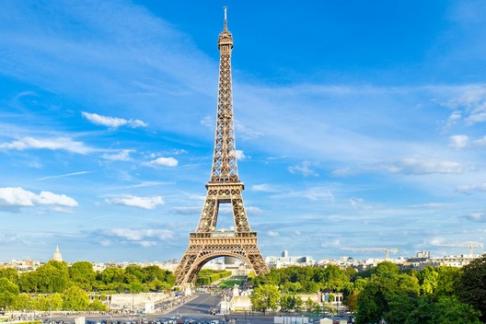
Please note: Guests should dress elegantly If you want to take your time at the Eiffel Tower after dinner, you can reach the 2nd floor with no extra fee taking only the stairs. You can do the cruise later on youe own (Port de la Bourbonnais, Bateaux Parisians company, in front of the Eiffel Tower. Departure every hour until 9:30pm). It is recommended to inform the hostess about it. The skip-the-line access is subjet to the Eiffel Towr procedures: The Vigipirate plan, the security control or an unforeseen crowd can slow down the entrance. Enjoy a delicious dinner in this chic, contemporary Eiffel Tower restaurant in Paris. Menu*: Trout marinated in Manakara peppercorns, fromage blanc with herbs and a citrus fruit reduction ** Roasted poultry supreme, mashed potatoes with jerusalem artichoke and a truffle oil emulsion ** Crousti Eiffel with praline chocolate, custard cream sauce ** Château de Lagorce - AOC Bordeaux (Rouge) Château Tariquet - IGP Côtes de Gascogne (Blanc) Les Celliers de Ramatuelle - AOP Côtes de Provence (Rosé) Mineral water & coffee Child menu (-12 years old)* King prawns in mild spices, celeriac remoulade and grapefruit with pomegranate seed vinaigrette ** Sautéed cod steak and herb mashed potatoes or Roasted poultry supreme and herb mashed potatoes ** Tour Eiffel with chocolate and a praline custard sauce ** Soft
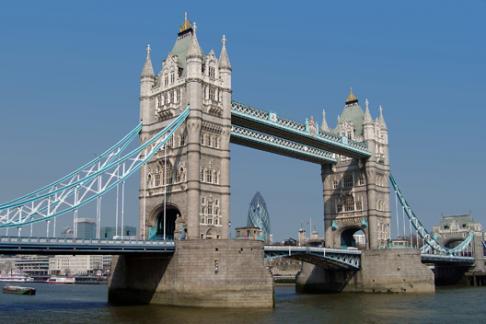
TOWER BRIDGE Over 100 years ago, the Victorians built a bridge that has become one of London's most famous landmarks. High level walkways were built to allow people to cross the Thames whilst the Bridge was lifted to let tall ships sail past. Today these Walkways act as viewing galleries, giving visitors the most spectacular views across an ever changing London skyline. Visitors enter Tower Bridge Exhibition via the North Tower. They are then transported by lift to the top of the Tower (47 metres above the Thames) where they have a unique opportunity to see the Bridge’s steel skeleton from within. A short film explains the history and provenance of the Bridge and then there is the chance to admire the spectacular views – from both covered Walkways. On the east Walkway there are fantastic views of the Docklands and from the west Walkway you can see the new GLA building, the Tower of London, St Paul’s, the city, the Pool of London and Big Ben and the London Eye in the distance. Interactive computerised kiosks and graphic panels explain the significance of the views to visitors, as well as providing more information on the history and building of the Bridge. The interactive material and graphic panels are written in seven languages and an audio loop for the hard of hearing is also in place for the video show. There is another film to view in the South Tower before descending for the short walk to the historical Engine Rooms, included in your ticket price. Victorian Engine Rooms These provide a fascinating insight into late 19th century engineering. Installed for the completion of Tower Bridge in 1894, these huge, and beautifully maintained, coal-driven engines were used to power the thousands of bascule Bridge lifts performed until 1976. Although lifts are now operated by electricity, the original steam engines are still in place. The Engine Rooms give visitors a chance to experiment with models demonstrating the technology behind the Bridge. There are also some amazing photographs of the Bridge throughout its lifetime – including a revealing picture of the heavy steel structure of the Bridge as the stone cladding was installed over it.

List of included attractions Bar Convent Barley Hall Cliffords Tower DIG Fairfax House Goddards Henry VII Experience Jorvik Merchant Adventurers' Hall National RM Road Train Richard III Roman Bath Treasurers House York Army Museum York Art Gallery York Boat York Brewery York Castle Museum York City Sightseeing York Cold War Bunker York Dungeon York Minster York's Chocolate Story Yorkshire Museum Beningbrough Hall Birds of Prey Centre Byland Abbey Captain Cook Castle Howard Eden Camp Helmsley Castle Helmsley Walled Garden Maze Murton Park North Yorkshire Moors Railws Reivaulx Abbey Scampston Walled garden