Free
Support


JORVIK Viking Centre Take hold of the past and explore the excavations which first unearthed the Viking-age city in our brand new exhibitions. As you travel around Viking-Age Jorvik aboard our state of the art ride experience - which now includes commentary in sixteen languages, from all major Scandinavian dialects to Mandarin Chinese – you will encounter Old Norse speaking citizens on the streets of the city and in their homes. Discover the Arabic trader bringing his wares to trade, and the Viking storyteller recounting the apocalyptic Ragnarok myth. At the end of an unforgettable journey, visitors disembark to the JORVIK galleries where they can see some of the fascinating Viking artefacts. Cutting edge displays help you to investigate all of the information gathered from the 5-year-long dig at Coppergate and piece together the jigsaw of where the Vikings came from, why they came here, how they lived and died, and where they travelled to. At JORVIK Viking Centre you are standing on the site of one of the most famous and astounding discoveries of modern archaeology. Between the years 1976-81, archaeologists from York Archaeological Trust revealed the houses, workshops and backyards of the Viking-Age city of Jorvik, as it stood 1,000 years ago. Ticket Details Please Note: JORVIK tickets purchased through this channel do not entitle the holder to jump the queue – you must join the queue as normal and will be able to exchange your 365 Vouchers for tickets at the admissions desk. Vouchers must be printed off before visiting JORVIK, entry won't be granted without your 365tickets Voucher. York Dungeon The York Dungeon invites you to a unique feast of fun with history’s horrible bits. Live actors, shows and special effects transport you back to those black, bleak times. Are you brave enough to delve into the darkest chapters of history? Herded into the forest by murderous Vikings, don’t look back as they obliterate everything and everyone in their path. Will you escape the most brutal fighters in York’s history…..??? Travel to the dark depths of the dungeons of York Prison, where murderer, thief and torturer Dick Turpin the infamous highwayman waits for his death at the gallows. In the most haunted city in England, come and experience the presence of ghosts which will chill your very bones as you stand in the silent yet chilling air. It’s the 16th century and the terrible plague has struck York again. Thousands are dying, appallingly disfigured and in unspeakable agony. Will you escape the deadly disease? Our 17th century judge knows exactly what you have been up to….and you could be left to languish in the rat infested dungeon for it…or be given a gruesomely fun task to perform… but who knows who the judge will on? The York Dungeon brings York’s horrible history to life with 11 live shows, actors and special effects. Torture Chamber York’s torturer always finds a way to get you talking, whether with the hook, the castrator, the jaw breaker, or the creeping agony of the rack. Maybe he’ll loosen your tongue the hard way, with the tongue-tearer! The Great Plague It’s the 16th century and the terrible plague has struck York again. Thousands are dying, appallingly disfigured and in unspeakable agony. Will you escape the deadly disease or run out screaming? Labyrinth of the Lost Who dares enter the Labyrinth of the Lost? Here lies the ancient Roman fortress of Emperor Constantine, buried beneath York Minster. Every treacherous turn takes you closer to the grim ghosts of a Lost Roman Legion. Judgement of Sinners It is the middle of the 18th Century and England’s justice system is harsh, unpredictable and frequently lethal. Some 220 offences are punishable by death. Pray the judge has pity on your soul. Your sentencing and fate await you! Witches: Burned Alive The witch hunt is on! Hear the screams and feel the heat as the accused are burnt alive before your eyes. Will you escape the persecution or will you meet your end at the stake? Bloody Viking A shattered monastery lies around you, ransacked and despoiled. Even this house of God isn’t safe from the violent greed of Eric Bloodaxe and his heathen warriors. In fact, what’s that noise outside..? You run into the forest, murderous Vikings on your tail, obliterating everything and everyone in their path. Don’t look back! Run! Will you escape the most brutal fighters in York’s history? Guy Fawkes Remember, remember the 5th of November; gunpowder, treason and plot! Follow the explosive story of Guy Fawkes as he and his treasonous accomplices plot the downfall of the English King and Parliament in the most spectacular way possible: a massive, underground explosion that will destroy them and the symbol of their rule! But the plot is foiled, and Guy Fawkes is arrested. He has sworn not to give up the names of his co-conspirators, but let’s see if a little brutal torture can loosen his tongue… Ghosts of York A creepy whistle rides on the cold air. A feeling of resentment and anger surrounds you. Your senses tell you that you are not alone. Through the dark silence comes a haunting wail… and then suddenly a pale figure appears before you, a vengeful, ghostly presence that leaves you paralysed by fear! Will you hold your nerve in the depths of the most haunted city in England? Or will you run for your life?! Dick Turpin Travel to the dark depths of York Prison where murderer, thief, and infamous highwayman Dick Turpin awaits his death at the gallows. After years of stealing livestock, robbing stage-coaches and murdering those who came after him, he’s about to meet his well-deserved fate at the end of a rope! But suddenly you enter your worst nightmare: a pitch-dark cell, a waiting hangman and Turpin… who wants his revenge in blood! Warning: The York Dungeon is not recommended for those of a nervous disposition or young children. Children under 16 must be accompanied by an adult.

What the Constitution Means to Me takes the Broadway stage - experience the groundbreaking play about our country's most cherished document with tickets at ShowTickets.com.
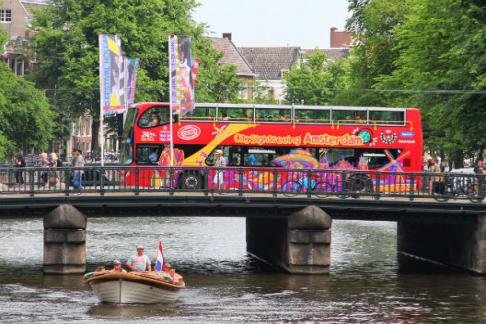
Bus Route: 1) Centraal Station (van Gogh Cafe/Lovers) / Prins Hendrikkade 25 2) PTA (Passenger Terminal Amsterdam) 3) Windmill de Gooyer 4) Gassan DIamonds 5) Jewish Cultural Quarter 6) Royal Theatre Carre 7) Heineken Experience 8) Museum Square 9) Leidseplein 10) Jordaan 11) Westerdok Boat - Green Line: 1 - Central Station 2 - Passenger Terminal 3 - NEMO Science-Museum 4 - Amstel Eden / Ice Bar 5 - Albert Cuyp Market 6 - Museumplein 7 - Anne Frank House 9 - This is Holland Passengers can hop-on and hop-off at any of the tour stops along the three routes. If you’d prefer, stay on the tour for a full loop: Bus Tour – 60 – 75 minutes Boat Tour – 60 – 120 minutes Additional Information: Vouchers must be printed to be exchanged for a City Sightseeing bus ticket in location The audio commentary is available in the following languages: English, Spanish, German, Italian, French, Portuguese, Chinese, Japanese, Russian, Catalan, Dutch, Arabic, Hebrew, Swedish Buses are wheelchair accessible
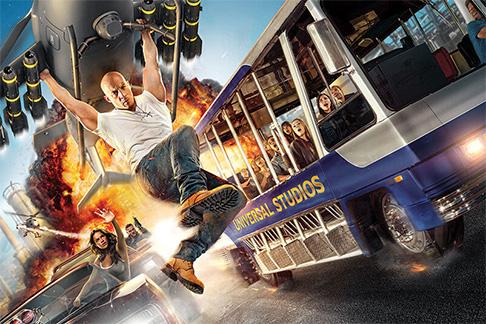
The VIP Experience Ever wanted to be treated like a movie star? With the VIP Experience you can enjoy just that. This unique experience includes an extensive guided tour of the immense Universal Studios HollywoodSM and its motion picture studio with access to areas of the studio lot that the general public never sees. Your VIP guide will also escort you to the Park’s most popular rides and attractions, taking you in via special exclusive VIP entrances. Afterwards, enjoy time to explore the vast Park on your own, when you can skip the queues at every attraction, get the best seats in the house for every show, enjoy a delicious gourmet lunch, and more. The VIP Experience is the most exclusive way to go behind the scenes at the world’s largest movie studio and theme park. It’s the ultimate way to visit Universal Studios Hollywood. Find a full day of action-packed entertainment all in one place: thrilling theme park rides and shows, a real working movie studio, and Los Angeles’ best shops, restaurants and cinemas at CityWalk. Universal Studios Hollywood is a unique experience that’s fun for the whole family. Tour the movie industry’s busiest sets in a special trolley, where you can disembark to explore areas not open to the general public. Visit actual sound stages where blockbuster movies and TV shows are filmed. Explore Universal’s award-winning sound department and enormous prop warehouse. Experience unprecedented service as the VIP guide escorts you to the best seats in the house with unlimited front of line access to all rides and attractions. Begin your day in their exclusive VIP lounge with a light breakfast. Savor a gourmet lunch in their private VIP dining room, prepared by Universal’s very own executive chef. Enjoy valet parking and VIP entry and exit from the Park. Their expert VIP guides will immerse you in the past, present and future of Universal’s Backlot. Hear inside stories about the making of famous movies and TV shows. Your VIP guide will also find you the best seats at shows and take you straight to the front of the line at all rides inside the Theme Park. Attractions Overview Only Universal Studios lets you ride the movies and go behind the scenes of a real working movie studio. The Wizarding World of Harry Potter™ Now Open! Explore the mysteries of Hogwarts™ castle, visit the shops of Hogsmeade™, and sample fare from some of the wizarding world's best-known establishments. Plus experience Harry Potter and the Forbidden Journey™ and Flight of the Hippogriff™ that transport you into a world of magical thrills and excitement. The Walking Dead Attraction Coming to life July 4, enter the post-apocalyptic world of AMC’s “The Walking Dead” in an all-new year-round attraction. Studio Tour Go behind-the-scenes on the legendary Studio Tour to explore Hollywood’s most famous backlot in the world’s largest working movie studio. Fast & Furious – Supercharged Celebrate the 50th Anniversary of the world-famous Studio Tour and hold on tight for the all-new grand finale, Fast & Furious – Supercharged! King Kong 360 3-D Don’t miss the award-winning King Kong 360 3-D created by Peter Jackson – The world’s largest 3-D experience, only on the Universal Studios Hollywood Studio Tour. Nighttime Studio Tour Experience Hollywood’s most famous Backlot like never before as you explore the magic of filmmaking by moonlight aboard the new Nighttime Studio Tour. Despicable Me Minion Mayhem Join Gru, his daughters and the mischievous Minions on a heartwarming and hilarious 3-D ride. Super Silly Fun Land Super Silly Fun Land is an all-new elaborate play zone adjacent to Despicable Me Minion Mayhem. Transformers™: The Ride-3D Transformers™: The Ride 3D is an immersive, next generation thrill ride that blurs the line between fiction and reality. The Simpsons Ride™ The Simpsons™ are visiting Krustyland and you are there right alongside Homer, Marge, Bart… Jurassic Park® — The Ride Come face-to-face with ‘living’ dinosaurs, a 50-foot T-Rex, and a treacherous drop straight down an 84-foot death-defying raft plunge. Revenge of the Mummy℠ – The Ride If you dare, face heart-pounding special effects and unexpected twists at every turn as you escape the Mummy’s revenge in life-like horror. WaterWorld® A Tidal Wave of Explosive Action Shrek 4-D™ Take adventure to the next dimension in Shrek 4-D™ — the attraction that puts you in the action with hair-raising, eye-popping, butt-busting effects so real, all your senses will be on ogre-time. Special Effects Show Don’t miss our enhanced Special Effects Show, where real Hollywood stuntmen and cutting-edge technology come together to recreate scenes from your favorite blockbuster movies! Universal’s Animal Actors Witness Tinseltown-trained critters putting pet tricks to shame with their animal antics! Characters in the Park Kids of all ages love meeting our characters. CityWalk Overview Universal CityWalk Hollywood is a Three-Block Entertainment, Dining and Shopping Promenade Where is LA’s best place for unexpected excitement? Universal CityWalk. Live music, movies, clubs, great food and always something new to discover. More than 30 places to eat, 3 hot nightclubs, 19 screen theater with state of the art IMAX® and more than 30 unique shops. It’s LA’s favorite place to play. Check out 5 Towers on Universal CityWalk, state-of-the-art concert venue. Experience a jaw-dropping explosion of over 5,000 LED lights and a sound system that will blow you away. CityWalk. Always Unexpected. CityWalk is located directly next to Universal Studios Hollywood. Ticket price is $95 - $115 - prices vary on the date you select. Terms and Conditions Ticket valid on your selected date only Ticket is non-transferable and non-refundable Ticket may not be copied, transferred or resold. Ticket is only valid for the person named on it Ticket cannot be combined with other offers, separately ticketed events, discounts, Halloween Horror Nights or sightseeing tours All or parts of Park subject to change or closure without notice. Parking not included Early Park Admission begins one hour before the Theme Park opens and is subject to availability, cancellation, and change.

Madame Tussauds Millones y millones de personas se han congregado en las puertas de Madame Tussauds desde que se abrieron hace 200 años y actualmente sigue siendo una actividad tan popular como antes. Hay muchas razones para este éxito duradero, pero en el fondo la clave de todo es la curiosidad humana. Los visitantes de hoy son enviados en un viaje extraordinario y emocionalmente por los reinos de los poderosos y famosos. Las típicas barreras de los museos desaparecen aquí para que los visitantes realmente se puedan acercar a las celebridades, leyendas del deporte, pesos pesados de la política y iconos histórios, dando a conocer hechos históricos, eventos y momentos que marcaron el mundo. Con 14 emocionantes e interactivas zonas así como la increíble experiencia cinematográfica Marvel Super Heroes 4D, el Madame Tussauds Londres combina toda la pompa y glamour con historias increíbles. Camine a través de la alfombra roja y pose al lado de Kate Winslet, justo antes de retar a sus deportistas favoritos como Tom Daley o Lewis Hamilton. Empiece su experiencia real con una audiencia con la Reina antes de posar junto a los Duques de Cambridge. También podrá acercarse a sus Superhéroes Marvel preferidos antes de vivir la espectacular y exclusiva película Marvel Super Heroes 4D, donde los Superhéroes de Marvel lucharán para salvar Londres de un mal creciente. ¿Con quién desea hacerse una foto? London Eye Con 140 metros de altura, el London Eye es la noria más alta del mundo. 32 Cápsulas, en que cada una puede cargar 25 personas, le llevarán en un viaje de 30 minutos a través de las vistas más espectaculares de todo Londres y sus alrededores, abarcando 40 kilómetros en todas las direcciones. La Experiencia London Eye 4D La Experiencia London Eye 4D es una película 3D pionera en efectos especiales, como el viento, la niebla y las burbujas, que hacen el 4D. La película en sí es una conmovedora historia de una niña con su padre en Londres. Su punto de vista de los monumentos de Londres está oscurecida por las personas y el tráfico, pero una gaviota atrae su atención hacia el London Eye y su padre la lleva a esa experiencia; finalmente, puede disfrutar de unas increíbles vistas de la ciudad. Una vistosa fiesta dentro de la cápsula, un time lapse del día y la noche en el London Eye y un espectacular castillo de fuegos artificiales se muestran para sumarse a una experiencia emocional y entretenida; el preludio perfecto para una experiencia en el propio London Eye. Por favor, recuerde que el procedimiento de embarque para el London Eye dura unos 30 minutos. Nuestro precio es el mismo que el que podría pagar comprando en el sitio web del London Eye o en líneas telefónicas de reserva y no hay restricciones en las reservas de última hora. Para una perspectiva diferente, visítelo al atardecer y vea como se encienden las luces de la ciudad y el horizonte se inunda de colores vibrantes. No se permite subir al London Eye a los niños no acompañados. Cualquier reserva hecha para un niño no acompañado será tomada como una confirmación de que el niño se unirá a un grupo bajo la supervisión de un adulto. 365Tickets no se hará responsable si a un niño no se le permite acceder al London Eye por ir solo, ni su vale será reembolsable. La seguridad es su prioridad número uno. Para su seguridad y comodidad, por favor lea la siguiente información sobre qué elementos pueden y no pueden ser subidos al London Eye. Tenga en cuenta que todos los visitantes pueden ser sometidos a un registro de seguridad al subir al London Eye. Tenga en cuenta que los siguientes artículos se pueden subir a bordo del London Eye: • maletines • ordenadores portátiles • bolsas pequeñas y mochilas (tamaño máximo de 18 "x 13" x 8 "o 46cm x 33cm x 20cm) • bolsas de bebé Los siguientes artículos no pueden ser subidos a bordo del London Eye: • bolsas grandes / maletas • cascos de motocicleta • monopatines y patines • trípodes (salvo que se acuerde de antemano con el London Eye) • cochecitos de bebé * • artículos prohibidos ** Si no está seguro. * Los cochecitos de bebé se pueden dejar en nuestras instalaciones del área 'Buggy' en la sala de entrada, aunque sólo durante la duración de la experiencia. ** Los artículos prohibidos incluyen objetos afilados o cualquier cosa que pueda ser considerada un riesgo para la seguridad, incluyendo navajas, tijeras, limas de metal, juguetes o réplicas de pistolas. Si se encuentran o se declaran tales objetos le serán revisados y devueltos después de su experiencia, siempre que el artículo sea legal en el Reino Unido. Términos y Condiciones 1. Los objetos confiscados se dejaran en todo momento a riesgo del propietario. 2. London Eye Company (LEC) no asume ninguna responsabilidad por la pérdida o daño de cualquier objeto que deje en el London Eye. 3. LEC tiene el derecho de rechazar el almacenamiento de objetos de cualquier visitante a su discreción, ya sea por razones de seguridad pública o cualquier otra razón. Towe Bridge Hace 100 años, los victorianos construyeron un puente que ha llegado a ser uno de los más famosos iconos de Londres. Fue construido para cruzar el Támesis, y al mismo tiempo permitir la entrada de buques cuando el puente estuviera levantado. Hoy por hoy ofrece las vistas más espectaculares. Los visitantes entran a la Exposición del Tower Bridge a través de la Torre del Norte. Son transportados con ascensor a la cima de la Torre (47 metros por encima del Támesis) donde tienen una oportunidad extraordinaria para ver esqueleto del acero del Puente. Una película corta explica la historia y la procedencia del Puente y después los visitantes tienen la oportunidad de admirar las espectaculares vistas.
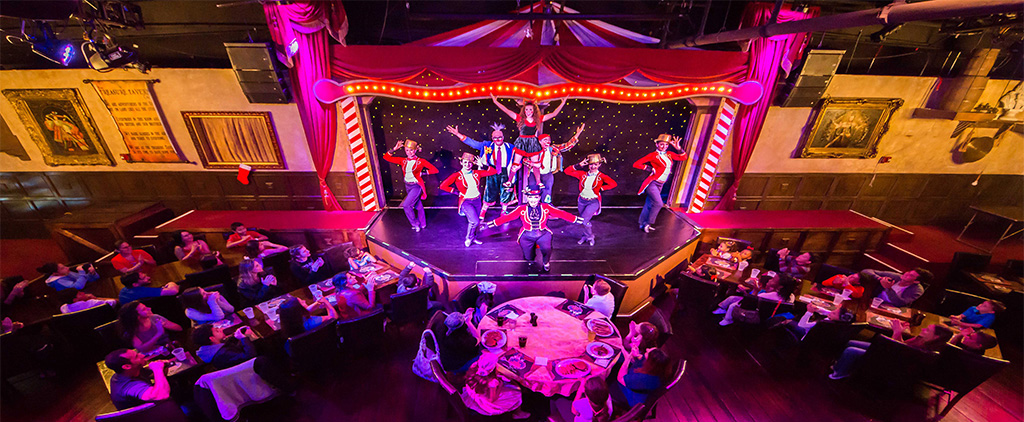
Enjoy a family friendly dinner show in Orlando at The Cirque Magique. Get your tickets today at ShowTickets.com