Free
Support

Windsor Castle, the largest and oldest occupied castle in the world, is one of the official residences of Her Majesty The Queen. The Castle's dramatic site encapsulates 900 years of British history. It covers an area of 26 acres and contains, as well as a royal palace, a magnificent chapel and the homes and workplaces of a large number of people. What there is to see: The magnificent State Apartments are furnished with some of the finest works of art from the Royal Collection, including paintings by Rembrandt, Rubens, Canaletto, Gainsborough and the famous triple portrait of Charles I by Sir Anthony van Dyck. In 1992 fire destroyed or damaged more than 100 rooms at the Castle. By good fortune the rooms worst affected were empty at the time, and as a result, few of the Castle's artistic treasures were destroyed. The highly acclaimed restoration work, completed in 1997, is a testament to the extraordinary skills of some of the finest craftsmen in Europe. From October to March visitors can also enjoy George IV's private apartments (the Semi-State Rooms), among the most richly decorated interiors in the Castle. St George's Chapel is one of the finest examples of Gothic architecture in England. It is the spiritual home of the Order of the Garter, the senior order of British Chivalry established in 1348 by Edward III. Within the chapel are the tombs of ten sovereigns, including Henry VIII and his third wife Jane Seymour, and Charles I. Among the highlights of a visit to Windsor is Queen Mary's Dolls' House, the most famous dolls' house in the world. The Drawings Gallery shows changing exhibitions of material from the Royal Library at Windsor Castle. The special display below is shown alongside a selection of treasures from the Royal Library.
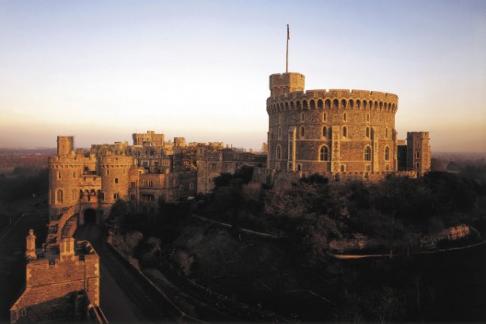
Windsor Castle, the largest and oldest occupied castle in the world, is one of the official residences of Her Majesty The Queen. The Castle's dramatic site encapsulates 900 years of British history. It covers an area of 26 acres and contains, as well as a royal palace, a magnificent chapel and the homes and workplaces of a large number of people. What there is to see: The magnificent State Apartments are furnished with some of the finest works of art from the Royal Collection, including paintings by Rembrandt, Rubens, Canaletto, Gainsborough and the famous triple portrait of Charles I by Sir Anthony van Dyck. In 1992 fire destroyed or damaged more than 100 rooms at the Castle. By good fortune the rooms worst affected were empty at the time, and as a result, few of the Castle's artistic treasures were destroyed. The highly acclaimed restoration work, completed in 1997, is a testament to the extraordinary skills of some of the finest craftsmen in Europe. From October to March visitors can also enjoy George IV's private apartments (the Semi-State Rooms), among the most richly decorated interiors in the Castle. St George's Chapel is one of the finest examples of Gothic architecture in England. It is the spiritual home of the Order of the Garter, the senior order of British Chivalry established in 1348 by Edward III. Within the chapel are the tombs of ten sovereigns, including Henry VIII and his third wife Jane Seymour, and Charles I. Among the highlights of a visit to Windsor is Queen Mary's Dolls' House, the most famous dolls' house in the world. The Drawings Gallery shows changing exhibitions of material from the Royal Library at Windsor Castle. The special display below is shown alongside a selection of treasures from the Royal Library. Photographer Credits: Image 1: Photographer: Mark Fiennes, Royal Collection Trust / © Her Majesty Queen Elizabeth II 2013 Image 2: Photographer: Dennis Gilbert, Royal Collection Trust / © Her Majesty Queen Elizabeth II 2013 Image 3: Photographer: Ian Jones, Royal Collection Trust / © Her Majesty Queen Elizabeth II 2013 Image 4: Photographer: John Freeman, Royal Collection Trust / © Her Majesty Queen Elizabeth II 2013 Hampton Court Palace Hampton Court Palace has provided a luxurious retreat for many of Britain's most famous Kings and Queens. Henry VIII was so inspired by it that he spent three of his honeymoons here. And visitors continue to escape to Britain's greatest palace to experience its history, splendour and stunning scale. Discover what it was really like to live and work at Hampton Court Palace. Take a fascinating journey through 500 years of royal history. Marvel at the impressive architecture and opulent interiors of the State Apartments and see the vast Tudor Kitchens in full swing. Enjoy the breathtaking Great Hall and Chapel Royal, and see how Sir Christopher Wren transformed the palace to rival Versailles. Take time to appreciate one of the finest collections of Renaissance paintings in Europe, and listen to tales of intrigue at the royal court from expert guides dressed in full historical costume. Or enjoy an audio tour, available in 9 languages: English, French, German, Spanish, Italian, Dutch, Russian, Korean and Japanese. They can be collected from the Information Centre in Clock Court. And that's before you've even begun to explore the stunning riverside gardens where you'll find the famous Maze and one of the world's oldest vines. ‘Top Ten’ things to see and do at Hampton Court. These sights are 'unmissable' Access to these sights is included in your admission ticket, unless otherwise stated. Henry VIII's Great Hall The Great Hall is England’s greatest medieval hall and one of Britain’s oldest theatres. William Shakespeare’s company performed there in 1603-4. Young Henry VIII exhibition Meet the 'pin-up' prince, before he became fat old Henry VIII, at our Young Henry VIII exhibition (included in your admission ticket). The exhibition includes paintings and interactive displays. The world famous Maze Test yourself and get enjoyably lost in 'the most famous Maze in the history of the world'. Entry is included in your ‘All Palace and Gardens’ admission ticket. A 'Maze only' entry is also available. Tudor kitchens Built to feed the Court of Henry VIII, the kitchens were expected to provide meals for 600 people twice a day. See the kitchens today and experience the sights and smells of a real Tudor kitchen! Beautiful gardens Wander through over 60 acres of beautifully maintained and internationally celebrated gardens at Hampton Court Palace. Entry is included in your ‘All Palace and Gardens’ admission ticket. Henry VIII: Heads and Hearts Join Henry for his wedding celebrations and see surprising portraits and personal objects of his wives. Family fun activities We have a wide range of activities and tours to entertain families. Choose from family trails, our world-famous maze, costumed guided tours, live Tudor cookery and much much more. The Chapel Royal This beautiful chapel has been in continuous use for over 450 years. Visitors are welcome to attend religious services at The Chapel Royal. Tiltyard café - kids' meal deal! History makes you hungry! At the Tiltyard café, choose from any kid's hot meal with lemonade or milk and a fairy cake for just £3.95. Deliciously great value.
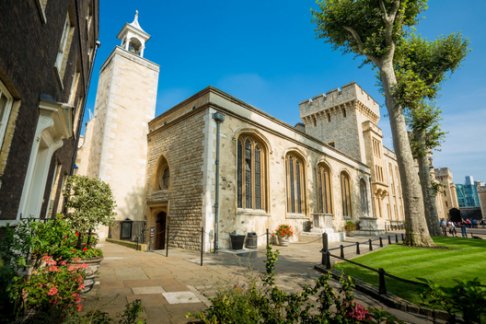
One of the most famous buildings in the world, the Tower of London was constructed in the 11th century - almost a 1,000 years ago and has been witness to countless significant events in the development of Britain's now democratic monarchy. During your tour of the Tower of London you will meet the magnificent Yeoman Warders or 'Beefeaters', clad as they were in Tudor times, hear the legend of the ravens and spine chilling tales from the Tower's long history. See the infamous Bloody Tower where the Princes were murdered, Beauchamp Tower where visitors can read carved inscriptions of past prisoners and Traitors Gate where those unlucky enough not to survive imprisonment had their heads impaled - and much more. We sell at less than the gate price, which gives you access to all the Towers and Attractions, as well as the unique Gift Shops, the historic New Armouries Restaurant, Tower Cafe and Kiosk. Your Tower ticket also includes entry to the Crown Jewels. Things to do and See at the Tower of London: Line of Kings Exhibition For over 300 years visitors to the Tower of London have marvelled at displays featuring arms and royal armour, life-sized wooden horses and figures of kings. The White Tower The White Tower is one of the most famous castle keeps in the world. It was built, to awe, subdue and terrify Londoners and to deter foreign invaders. It’s an iconic symbol of London and Britain. The Crown Jewels The Jewel house at the Tower of London houses the world famous Crown Jewels. 23,578 precious stones and gems make up the Crown Jewels and include the world’s most famous diamond ‘ The Great Star of Africa’. The Yeoman Warder tours The Yeoman Warders, also known as beefeaters, are the public face of the Tower of London. As well as guarding the Tower and Crown Jewels they also provide tours for visitor where they regale you with tales from the Tower. The Royal Beasts The last thing you’d expect to see at the Tower of London would be Lions, Tigers, Elephants and Polar Bears, but for over 600 years the Royal Menagerie played host to these and many more. Discover their extraordinary stories and what life was like for them at the tower. The Ravens ‘The kingdom and the Tower will fall if the six ravens ever leave the Tower of London’, well according to legend anyway. Whether this is true or not the ravens have become on of the Tower’s most famous sites, just make sure you see at least 6 when you visit! The Tower Green Believe it or not being executed inside the Tower of London was considered a privilege for those of high rank. The Tower Green contains a permanent memorial for those ‘lucky’ enough to be executed there. The Medieval Palace Being the oldest part of the Tower of London, the Medieval Palace contains amazing interiors that you won’t see anywhere else. here you can experience what life might have been like in a luxurious medieval household.
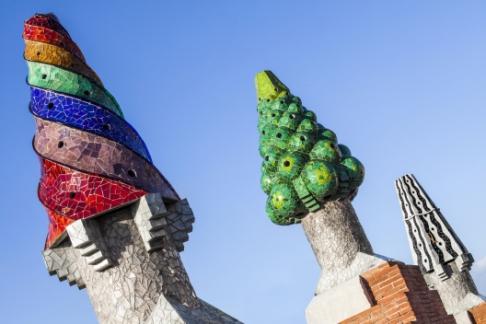
In Barcelona you can see the best of Gaudí at the Sagrada Família, La Pedrera and the Casa Batlló, relive Barça's victories, enjoy yourself with your kids on the Golondrinas pleasure boats and at Barcelona Zoo, or discover the wonders of the Museu Nacional d'Art de Catalunya and other museums. You'll be able to do all this and much, much more, free or at a reduced price, with the Barcelona Card. With just one card you'll be able to travel free on the metro, buses, Catalan railways (FGC), trams and even on the airport train and metro. You'll save time and money as you can also take advantage of free admission to, or discounts at, Barcelona's most important museums and many places of interest, leisure attractions, nightclubs, restaurants, on visits and tours, entertainment, unique means of transport and other services. And for the little ones, aged 4 to 12, there's the Barcelona Card Kids, which gives you all the advantages of the Barcelona Card for a similar price than a travel pass.
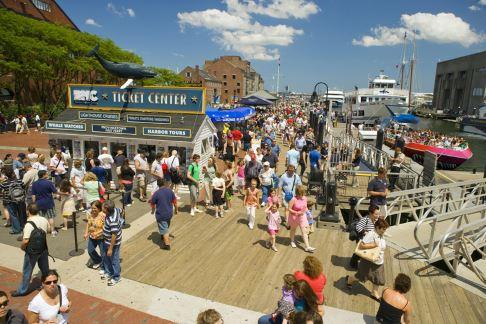
What You'll Do
See the USS Constitution, an icon of American history
Cruise past the Bunker Hill Monument, Boston Tea Party Boat and the Old North Church
Optional tour of the USS Constitution and accompanying Naval Museum
Fully narrated 45 minute cruise
Not included:
Gratuitites
Food and Drink (available on-board)
Hotel pickup and drop off
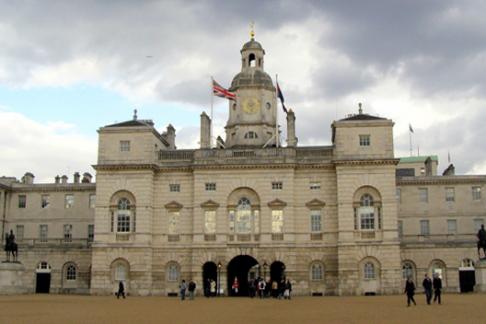
Historic setting: The Household Cavalry Museum sits within Horse Guards in Whitehall, central London, one of the city’s most historic buildings. Dating from 1750, it is still the headquarters of the Household Division, in which the Household Cavalry has performed the Queen’s Life Guard in a daily ceremony that has remained broadly unchanged for over 350 years. The Household Cavalry: The Household Cavalry was formed in 1661 under the direct order of King Charles II and now consists of the two senior regiments of the British Army – The Life Guards and the Blues and Royals. We have two roles: as a mounted regiment (on horseback), we guard Her Majesty The Queen on ceremonial occasions in London and across the UK and are a key part of the Royal pageantry; as an operational regiment we serve around the world in armoured fighting vehicles. We currently have units deployed on active service in Iraq and Afghanistan. Our fighting capacity is matched by our strategic role in international peace keeping and humanitarian operations. Collections: Over the centuries we have amassed an outstanding collection of rare and unique treasures from ceremonial uniforms, royal standards and gallantry awards to musical instruments, horse furniture and silverware by Fabergé. Each exhibit has its own compelling story to tell and many are on display for the very first time. You can see two silver kettledrums given to the regiment in 1831 by William IV; the pistol ball that wounded Sir Robert Hill at Waterloo and the cork leg which belonged to the first Marquess of Anglesy, who, as the Earl of Uxbridge, lost his real one at Waterloo. Modern additions to the collection include Jacky Charlton’s football cap – he did his national service with the regiment and Sefton’s bridle – the horse that was injured in the 1982 Hyde Park bombings. Much of the collection has resulted from the close association that has existed between the Household Cavalry and Royalty. We have, after all, protected successive kings and queens from rebels, rioters and assassins for nearly 350 years. Working Stable Block: Visitors can gain a unique behind-the-scenes look at our working stable block. All the horses here are on duty and at different times of the day you will see something going on - you might see the horses being brought in, groomed, fed and watered, their hooves oiled and shoes checked, their saddles adjusted ready to go on guard or just see the stables themselves being cleaned. Both our horses and riders go through a rigorous and demanding training. In the Museum's many interactive and multimedia presentations, you will hear first hand accounts of what this training is like and the techniques our soldiers use to master their horses and complete the gruelling preparations for regimental inspections.