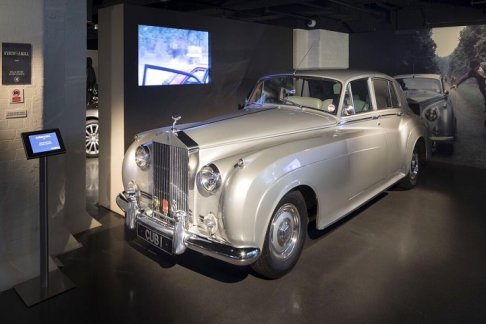
Bond in Motion Exhibition
The exhibition, in association with EON Productions Ltd, has been the most successful in the history of the London Film Museum. Originally scheduled to close in March 2015, it features over 100 original artefacts spanning all 23 Bond films, including vehicles, miniatures, concept art and storyboards. Highlights include iconic cars such as the Aston Martin DB5 from GoldenEye; the ‘Wet Nellie’ Lotus Esprit S1 from The Spy Who Loved Me; the Rolls-Royce Phantom III from Goldfinger; and the ‘Little Nellie’ Wallis WA-116 Agile autogyro from You Only Live Twice.
Public demand for the exhibition has been so consistently high throughout the first year that museum management has decided to keep it open indefinitely. London Film Museum Founder and CEO, Jonathan Sands said: “Bond in Motion has far exceeded all our expectations and we’re delighted with the public’s reaction to it. It’s proved a huge hit with families, Bond lovers, movie fans and car nuts alike. We are looking forward to the coming year. Not only is it the 50th anniversary of Thunderball, but it’s also the year of the release of the latest adventure, SPECTRE.”
New exhibits expected in 2015 include vehicles from the new Bond film, SPECTRE, currently in production and due for release later this year. The museum will also be celebrating the 50th anniversary year of Thunderball, the fourth Bond film, with new additions. The original, working Bell Rocket Belt ‘jet pack’ from the legendary pre-title sequence moment will be flown in from the USA and put on display alongside original concept art and never-before-seen materials from the Bond archive.
The exhibition, in association with EON Productions Ltd, has been the most successful in the history of the London Film Museum. Originally scheduled to close in March 2015, it features over 100 original artefacts spanning all 24 Bond films, including vehicles, miniatures, concept art and storyboards.
Public demand for the exhibition was so consistently high that the London Film Museum management decided to keep it open indefinitely. London Film Museum Founder and CEO, Jonathan Sands said: “Bond in Motion far exceeded all our expectations and we’re delighted with the public’s reaction to it. It’s proved a huge hit with families, Bond lovers, movie fans and car nuts alike".
Also available on site (NOT included in ticket price):
audio headsets - with commentary from Top Gear's Stig
Bond souvenir photos
relaxing cafe area
Tower of London
One of the most famous buildings in the world, the Tower of London was constructed in the 11th century - almost a 1,000 years ago and has been witness to countless significant events in the development of Britain's now democratic monarchy.
During your tour you will meet the magnificent Yeoman Warders or 'Beefeaters', clad as they were in Tudor times, hear the legend of the ravens and spine chilling tales from the Tower's long history. See the infamous Bloody Tower where the Princes were murdered, Beauchamp Tower where visitors can read carved inscriptions of past prisoners and Traitors Gate where those unlucky enough not to survive imprisonment had their heads impaled - and much more.
We sell at less than the gate price, which gives you access to all the Towers and Attractions, as well as the unique Gift Shops, the historic New Armouries Restaurant, Tower Cafe and Kiosk. Your Tower ticket also includes entry to the Crown Jewels.




![Grand Canyon Deluxe + Helicopter [GBG-4H]](/image/products/4/e/4e7182ab79f34.jpg "Grand Canyon Deluxe + Helicopter [GBG-4H]")