Free
Support
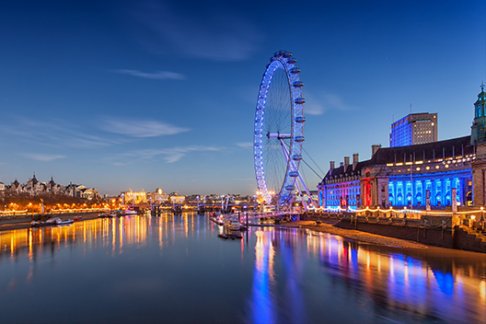
Con 140 metros de altura, el London Eye es la noria más alta del mundo. 32 Cápsulas, en que cada una puede cargar 25 personas, le llevarán en un viaje de 30 minutos a través de las vistas más espectaculares de todo Londres y sus alrededores, abarcando 40 kilómetros en todas las direcciones.
La Experiencia London Eye 4D
La Experiencia London Eye 4D es una película 3D pionera en efectos especiales, como el viento, la niebla y las burbujas, que hacen el 4D. La película en sí es una conmovedora historia de una niña con su padre en Londres. Su punto de vista de los monumentos de Londres está oscurecida por las personas y el tráfico, pero una gaviota atrae su atención hacia el London Eye y su padre la lleva a esa experiencia; finalmente, puede disfrutar de unas increíbles vistas de la ciudad. Una vistosa fiesta dentro de la cápsula, un time lapse del día y la noche en el London Eye y un espectacular castillo de fuegos artificiales se muestran para sumarse a una experiencia emocional y entretenida; el preludio perfecto para una experiencia en el propio London Eye.
Por favor, recuerde que el procedimiento de embarque para el London Eye dura unos 30 minutos.
Nuestro precio es el mismo que el que podría pagar comprando en el sitio web del London Eye o en líneas telefónicas de reserva y no hay restricciones en las reservas de última hora.
Para una perspectiva diferente, visítelo al atardecer y vea como se encienden las luces de la ciudad y el horizonte se inunda de colores vibrantes.
No se permite subir al London Eye a los niños no acompañados. Cualquier reserva hecha para un niño no acompañado será tomada como una confirmación de que el niño se unirá a un grupo bajo la supervisión de un adulto. 365Tickets no se hará responsable si a un niño no se le permite acceder al London Eye por ir solo, ni su vale será reembolsable.
La seguridad es su prioridad número uno. Para su seguridad y comodidad, por favor lea la siguiente información sobre qué elementos pueden y no pueden ser subidos al London Eye. Tenga en cuenta que todos los visitantes pueden ser sometidos a un registro de seguridad al subir al London Eye.
Tenga en cuenta que los siguientes artículos se pueden subir a bordo del London Eye:
Maletines
Ordenadores portátiles
Bolsas pequeñas y mochilas (tamaño máximo de 18 "x 13" x 8 "o 46cm x 33cm x 20cm)
Bolsas de bebé
Los siguientes artículos no pueden ser subidos a bordo del London Eye:
Bolsas grandes / maletas
Cascos de motocicleta
Monopatines y patines
Trípodes (salvo que se acuerde de antemano con el London Eye)
Cochecitos de bebé *
Artículos prohibidos **
Si no está seguro.
* Los cochecitos de bebé se pueden dejar en nuestras instalaciones del área 'Buggy' en la sala de entrada, aunque sólo durante la duración de la experiencia.
** Los artículos prohibidos incluyen objetos afilados o cualquier cosa que pueda ser considerada un riesgo para la seguridad, incluyendo navajas, tijeras, limas de metal, juguetes o réplicas de pistolas. Si se encuentran o se declaran tales objetos le serán revisados y devueltos después de su experiencia, siempre que el artículo sea legal en el Reino Unido.
Términos y Condiciones
1. Los objetos confiscados se dejaran en todo momento a riesgo del propietario.
2. London Eye Company (LEC) no asume ninguna responsabilidad por la pérdida o daño de cualquier objeto que deje en el London Eye.
3. LEC tiene el derecho de rechazar el almacenamiento de objetos de cualquier visitante a su discreción, ya sea por razones de seguridad pública o cualquier otra razón.
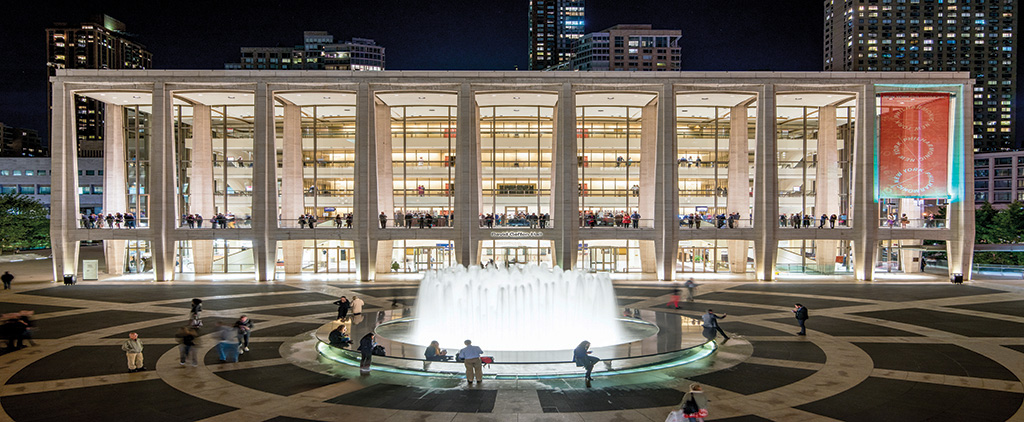
Enjoy the sounds of violinist Christian Tetzlaff during this special evening of Bach sonatas and solos in New York City. Purchase great seats on ShowTickets.com.
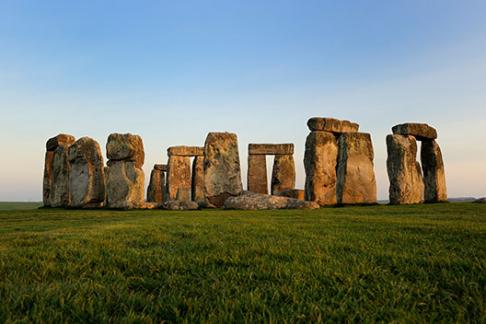
Walk in the footsteps of your Neolithic ancestors at Stonehenge – one of the wonders of the world and the best-known prehistoric monument in Europe. Explore the ancient landscape on foot and step inside the Neolithic Houses to discover the tools and objects of everyday Neolithic life. Visit the world-class exhibition and visitor centre with 250 ancient objects and come face to face with a 5,500 year-old man. Note for Seniors and Students: The Staff at Stonehenge ask that any persons carrying vouchers for Student and/or Senior concessions please also carry valid identification. This is to avoid any unnecessary embarrassment or misunderstanding if you are asked for proof on arrival.
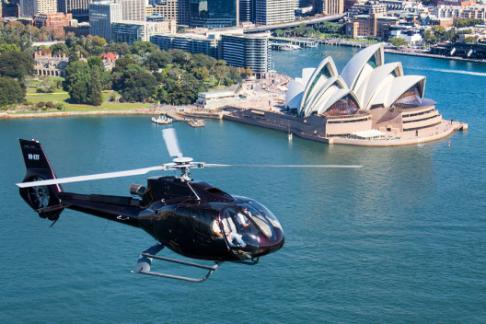
Your helicopter flight experience begins with a greeting and check-in from our friendly operations staff, followed by a thorough safety briefing in the comfort of our modern and spacious guest lounge. After the safety briefing, we will head out to the helicopter and use your own camera for some photos in front of your helicopter before boarding. Cameras and video recorders can be taken with you on the helicopter for more fantastic memories of your flight over picturesque Sydney Harbour and beyond. Upon take-off enjoy full panoramic views of the Sydney skyline, Pacific Ocean and the historic port of Botany Bay. Within minutes of departure your experienced and skilled pilot will have you above the glistening waters of Maroubra Beach and tracking north along the coast at 500 feet. You will contour fly the picturesque coastline of the Eastern Suburbs beaches including Coogee, Clovelly and also the world famous Bondi Beach, the aquamarine waters sparkling against the Sydney sun. Admire the spectacular houses of Dover Heights and Vaucluse perched on the chiselled sandstone cliffs as you continue northbound to Manly Beach and Sydney’s northern suburbs. See the city lights sparkling as your pilot takes advantage of the last light to give you a magical helicopter experience. Your experienced pilot will guide your aircraft over magnificent waters of Sydney Harbour giving you a view of icons such as the Sydney Harbour Bridge, Sydney Opera House, Taronga Zoo, Watsons Bay, Rose Bay and Manly Beach. Looking towards the horizon you can see the rest of Sydney stretching out towards the Sydney Olympic site and further afield to the foothills of the world renowned Blue Mountains. The sun sitting low on the horizon makes for breathtaking colours and magical pictures as the city illuminates and the day turns into night. As you start your return journey to the heliport you will fly past some of Sydney’s great sporting arenas including the Sydney Football Stadium and the Sydney Cricket Ground, as well as Randwick Racecourse. Throughout the flight your pilot will be providing you with informative commentary via Bose voice activated headsets, you will also be able to talk with the pilot and your other passengers whilst on the helicopter.
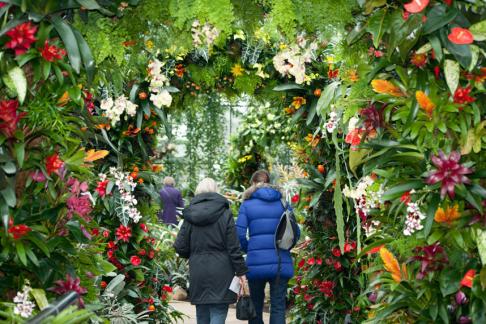
Kew Gardens, is a World Heritage Site located in 121 hectares of stunning vistas with six magnificent glasshouses set in a beautiful landscape beside the River Thames between Richmond and KEW in south-west London. Kew Gardens represents more than 250 years of historical gardens. It is home to a remarkable collection of over 30,000 types of plants from all over the world that range from the decorative to the peculiar. Kew Gardens provide opportunities for public enjoyment and enrichment and the behind-the-scenes scientific work helps ensure a sustainable future for plants and people. In the summer of 2004, Kew's determination to make serious botany great fun for children was demonstrated with the opening of 'Climbers and Creepers'. Bringing a new use to an old cycad house by White Peaks, Climbers and Creepers engages children from around 3-9 years in the pleasures of learning more about plants and their relationships with animals and people. Apart from the sheer beauty and tranquillity of the garden's landscapes Kew offers a wonderful day out for all, whether horticulturally, historically or botanically inclined. Botanical Highlights The dates below are approximate, and flowering can vary by three to four weeks, depending on the weather. Spring: Mid-February - early March: A million-and-a-half crocuses below the Temple of Bellona between Victoria Gate and King William's Temple - one of Kew's most spectacular displays (typically late Feb - early March). Camellias between Victoria Gate and the Shirley Sherwood Gallery of Botanic Art. Spring bedding and spring flowers in the open woodland around the Azalea Garden. Daffodils, forsythia and cherry blossom. Orchids, bromeliads and anthuriums in Kew’s Tropical Extravaganza, an annual display of exotic blooms in the Princess of Wales Conservatory. April - May: Lilacs near Kew Palace and White Peaks. Spring bedding in front of the Palm House. Scillas in the Woodland Garden. Flowering cherries, crab apples, magnolias and tulips throughout the gardens. May - June: Bluebells in the Queen's Cottage Grounds. Lilacs, azaleas, rhododendrons and magnolias, Brentford Gate area. The tiny but beautiful alpine flowers in the Davies Alpine House and the Rock Garden. Himalayan blue poppies and rhododendrons in the Woodland Garden. Native plants in long grass areas. Horse chestnut blossom. Summer: June - July: Summer flowers in the walled Duke's Garden and in the Woodland Garden. Giant water lilies growing rapidly in the Princess of Wales Conservatory and the Waterlily House. The Mediterranean Garden near King William's Temple. The Rose Pergola, the Rose Garden and the Order Beds. The Rock Garden. Tulip trees, opposite the Palm House, Philadelphus near the Pagoda. July - September: Themed summer bedding in front of the Palm House. The Order Beds. Giant water lilies flowering in the Princess of Wales Conservatory. Water lilies flowering in the Aquatic Garden and Waterlily House. The herbasceous borders of the Duke's Garden, fascinating medincinal herbs in the Queen's Garden, Grass Garden, Rose Garden. Hibiscus, hydrangeas and Indian bean trees. Autumn: September - October: Autumn crocus in September in the Woodland Glade - Kew's first burst of autumn colour. Belladonna lilies. Trees in autumn colour. October - November: Last of the autumn colours. Grass Garden. Autumn-flowering crocuses, colchicums and hardy cyclamen. Strawberry trees west of King William's Temple and between the Princess of Wales Conservatory and Rock Garden. Winter: November - December: Fruiting trees and shrubs, winter bark. Winter-flowering cherry. January - February: Snowdrops in the Rock Garden and Conservation Area, crocuses along the Princess Walk. Witch hazels by King William's Temple. Cornelian cherry in the winter border in the Duke's Garden. Duchess border along wall outside the Duke's Garden. Camellias between Victoria Gate and the Shirley Sherwood Gallery of Botanic Art. Clematis cirrhosa on the Rock Garden Wall. Rhododendrons in the Rhododendron Dell and, if the winter is mild, the carmine blooms of Magnolia campbellii might appear early. Shrubs in the Winter Border near the Ice House. The Davies Alpine House. Heathers, hellebores, viburnums and cornelian cherry.

One Pulse Memorial Located on the site of the Pulse nightclub, the Pulse Interim Memorial is a contemplative structure that serenely surrounds and pays homage to the original building as it still stands and to the outpouring of love from the world that followed the tragedy that occurred there. The downtown Orlando site has become a gathering place for visitors who wish to pay respect to the victims and survivors of the largest hate crime against a targeted group in the United States and reflect on the unity that was shown on a global scale in response. The temporary Interim Memorial structure will eventually be replaced with a permanent memorial. Winter Park Farmers Market The Winter Park Farmers' Market is held at the old train depot, a location that has been rested into a historical landmark. Lake Eola Farmers Market The Orlando Farmers' Market is much more than just your traditional market. Bringing in the best in fresh produce, baked goods, crafts, gifts, jewelry, plants, and more. Food, shopping, and fun for all ages make it the perfect family afternoon with live music and entertainment.