Kostenlos
Unterstützung


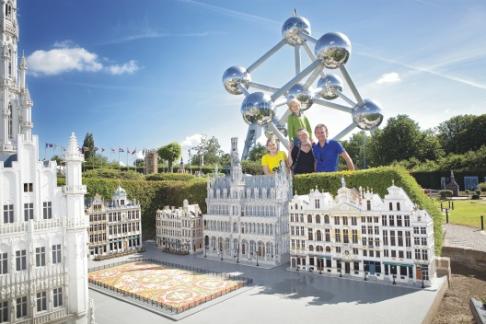
Aspectos destacados Descubra Europa en un día en MiniEurope. Experimente un tour animado con efectos visuales y sonoros de 350 miniaturas, incluyendo las campanas del Big Ben, las góndolas frente el Palacio Ducal, el Grand Palace en Bruselas y la Acrópolis. Todos los monumentos han sido recreados hasta el más mínimo detalle en una escala 1/25. Desde la Torre Eiffel (13m de altura) hasta el Big Ben (4m de altura), esta es la oportunidad de ver los edificios más conocidos de cerca. Se sorprenderá con la erupción del Vesubio o con la caída del muro de Berlín, diversión tanto para jóvenes como para mayores. Exhibición de la Unión Europea: Conozca mejor la Unión Europea con esta experiencia interactiva. Visite el icono principal de la Feria Mundial de Bruselas (1958) el Atomium, visión optimista del futuro moderno, nuevo, supertecnológico que nos llevará a una mejor humanidad. El Atomium alberga colecciones permanentes y exposiciones temporales en el museo. Vea el tótem influyente en el horizonte de Bruselas, a medio camino entre la escultura y la arquitectura, una reliquia del pasado con un definido aspecto futurista, el único símbolo de su clase en el mundo y el monumento más belga. Incluye Entrada de 1 Día a MiniEurope + Atomium GuíaCatálogo de Mini-Europe (64 páginas en color) incluida en el precio de adultos. NO incluye Recogida en el hotel Bebidas y comida Entradas para grupos de 20 personas. Por favor contáctenos si su grupo tiene un número mixto de adultos/niños /adultos mayores. Para grupos escolares: 1 gratis por cada 15 estudiantes que pagan.
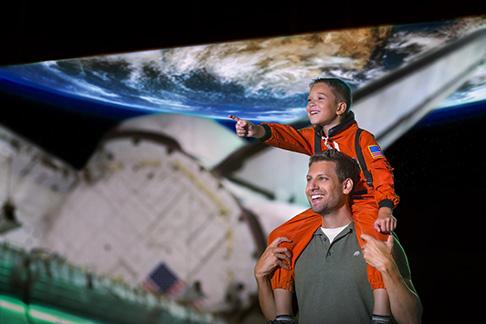
Centro Espacial Kennedy La entrada para el Kennedy Space Center incluye el Transbordador Espacial Atlantis℠, las películas IMAX® del Espacio, todas las exposiciones y espectáculos así como el Tour en Bus del Kennedy Space Center. Es fácil pasar un día entero en el Centro Espacial Kennedy, especialmente si quiere vivir la experiencia "almuerzo con un astronauta"* o realizar uno de los interesantes tours guiados. *Para realizar esta actividad, deberá abonar dinero adicional en la taquilla dle centro. Gatorland Conozca desde cerca a los caimanes, cocodrilos, pájaros, tortugas, cebúes, ciervos… ¡y muchos más! ¡Disfrute de un espectáculo único como el show de Gator Wrestlin donde podrá sentarse en la espalda de un cocodrilo! Anime a los atrevidos que se lanzan por la tirolina que pasa 2 metros por encima del agua. Luego diríjase a los encuentros donde podrá acercarse a los animales donde encontrará lo inesperado. Alimente a los animales en el zoológico y el aviario. Luego diríjase a Swamp Walk o Alligator Breeding Marsh o Bird Rookery, donde la reina la naturaleza y cada visita es única. Todas las actividades están dirigidas por guía a los que les encanta compartir historias y mitos sobre todas las criaturas. Fun Zone: Gator Gully Splash Park: durante más de medio siglo, Gatorland ha estado creando grandes recuerdos para millones de visitantes que han venido al parque. Familias, amigos y empleados se han aventurado a través de esta grande aventura salvaje. Corral de Allie: pase por el corral de Allie y salude algunas de las criaturas más adorables del corral. Salude a Gracie, una cabra amigable que adora comer de la mano de los visitantes, y al guacamayo Harley, capaz de saludarle con un “¡hola!”. Ferrocarril Exprés: inaugurado en 1965, el original “caballo de hierro de Gatorland llevaba a pasear a los visitantes por el extremo sur de parque, mientras pasaba cerca de caimanes y diversos animales en su viaje de regreso a la estación. Después de 35 años de servicio continuo, se retiró en el año 2000 y se construyó una nueva estación. El aviario: el aviario de Gatorland es hogar a los coloridos y amigables Lorikeets, un gran lugar para acercarse a la naturaleza. Estos loros de colores vivos, originarios del área del Pacífico Occidental y las Indias Orientales, están especialmente adaptados a una dieta de polen, néctar y fruta. Espectáculos maravillosos: Gatorland ha entretenido a sus visitantes con espectáculos divertidos, emocionantes y educativos sobre animales peligrosos y exóticos durante años. Venga y comparta su aventura con todos nuestros espectáculos. Espectáculo Gator Jumparoo: grandes emociones y escalofríos ya que algunos de los caimanes más grandes del mundo saltarán 1 o 2 metros del agua para conseguir comida. Aprenda más sobre los caimanes y cocodrilos y sus increíbles poderes. ¡Una visita obligada para toda la familia! Espectáculo Gator Wrestlin’: Gatorland ofrece un espectáculo de lucha de cocodrilos hecho al estilo “Florida Cracker” en un estadio sombreado de 800 asientos. Los adiestradores atrapan un cocodrilo con la mano y se montan en su espalda para enseñar las técnicas de supervivencia al público. Encuentros desde cerca: ¡nunca se sabe qué animal aparecerá en este espectáculo! Tendrá la oportunidad de conocer a fascinantes criaturas de todo el mundo, así como la fauna originaria de Florida, incluyendo algunas de las serpientes más peligrosas del mundo. Espectáculo Critters On The Go: la experiencia más innovadora de Gatorland presenta el lado más débil de mundo animal. Acuda a estos encuentros interactivos en los que usted y los más pequeños de la casa podrán alucinar con algunos de los bichos más lindos y monos de parque
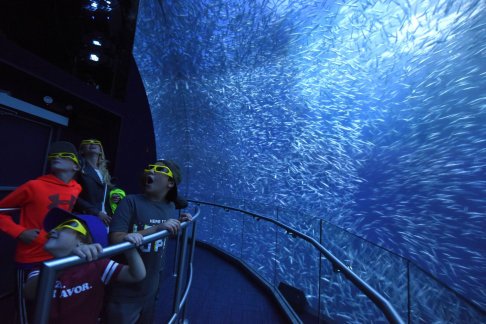
National Geographic Encounter Itinerario Su viaje por Encounter comienza como una visita guiada, donde experimentará una batalla entre dos calamares de Humboldt, visitará un arrecife de coral luminoso por la noche y más. Una vez que “nade” a través de un bosque de algas marinas, continuará a su propio ritmo, mientras se encuentra en medio de un magnífico frenesí de alimentación y se acerca a una ballena jorobada de 15 metros de tamaño natural. Luego profundizará aún más en su aventura en Exploration Hall. Escuche historias impresionantes de fotógrafos de National Geographic y exploradores de aguas profundas. Acepta juegos desafiantes en el océano. Aprenda sobre las maravillas más grandes y las criaturas más poderosas del mar. VR World NYC Experiencias Hay una amplia variedad de experiencias para todo el mundo. Algunos se divertirán disparando a droides en el espacio y luchando contra zombies, o quizás corriendo en una carrera, mientras que otros preferirán volar en parapente o escalar una montaña. También podrá disfrutar con cortometrajes en un mundo de realidad virtual o pintando en la green verde. Algunas experiencias requieren mover todo el cuerpo mientras que otras se realizan sentado. Colas Cada participante tiene aproximadamente entre 5 y 10 minutos en cada experiencia. La mayoría de las experiencias tienen un panel con un tiempo de espera para cada una de ellas. Los visitantes sólo pueden esperar en una cola a la vez. Sin embargo, hay algunas experiencias que no tienen cola y se pueden realizar en cualquier momento, incluso mientras espera en una cola para otra experiencia. Los participantes que se hayan inscrito con su teléfono móvil recibirán un mensaje de texto cuando les llegue su turno en la cola. Registro En la entrada, cada participante se registrará usando su nombre real, un pseudónimo, un correo electrónico, el número de teléfono y alguna otra información. Aunque no es obligatorio, si los participantes dan su número de teléfono recibirán una notificación cuando estén los primeros en la cola de las atracciones. Después de este proceso, se dará una pulsera a los participantes que servirá para entrar en la cola de cualquier experiencia VR y serán libres para explorar todo el lugar. Comida y bebida Hay una amplia oferta de bebidas no-alcohólicas, cerveza, vino y licores. Los cócteles de la casa no le decepcionarán. Podrá probar el VRWorldian, el Simon's Escape, el Caipirinha Assassin o el Salty Borzoi, sólo para nombrar algunos. No hay comida disponible. Aunque no hay comida dentro del edificio, los visitantes son libres de salir y entrar del edificio mientras dure el tiempo de su entrada.
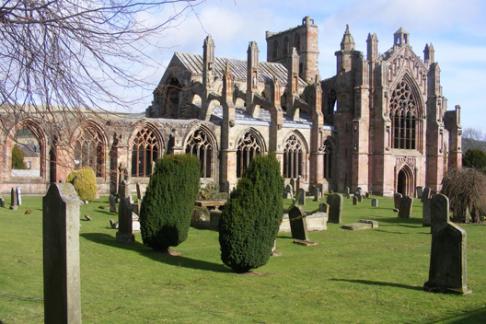
Depart Edinburgh 09.15 and travel northwest through the historic area of Linlithgowshire, close to the historic palace. The tragic Mary Queen of Scots was born at Linlithgow palace, and became Queen when she was only 6 days old. According to legend her father James V died of a broken heart when he discovered his wife had given birth to a daughter and not the son he was hoping for! Your route along the Forth Valley is one which has been used for thousands of years by invading armies, it was the northernmost frontier of the Roman empire and was later used by the English King Edward I as he marched proudly towards Stirling (only to be sent homewards to think again!). Nowadays it’s at the centre of one of Scotland’s most important industries with huge oil refineries dominating the area. As you approach Stirling the magnificent castle dominates your view and you make your way up towards the high volcanic rock where it imposes itself upon the surrounding land. Known as the ‘Key to Scotland’, for centuries this was the most important castle in Scotland and the views from the top make it easy to see why. To the north is the 220ft high tower of the National Wallace Monument commemorating Scotland’s great hero William Wallace, played by Mel Gibson in the Oscar-winning movie Braveheart. From the castle you can look down over the scene of Wallace’s greatest triumph, the battle of Stirling Bridge, where he defeated the English army in 1297. To the south is Bannockburn where, in 1314, the great Scottish warrior-king Robert the Bruce defeated the English army of Edward II. The battle was fought for possession of Stirling Castle but eventually led to a far greater prize for Scotland – the restoration of independence. It’s an area alive with history and you stop at the castle to give you time to soak up the history and heritage of this great site. From Stirling you head into the Highlands and an area known as the Trossachs. Known as ‘The Highlands in Miniature’, it marks the point where the Lowlands meet the Highlands and entering this beautifully picturesque area feels like going into a different country. With its shimmering lochs, rugged mountain tops and forest-filled glens it’s easy to forget that this was once thought of as a dangerous frontier fought over by the fiercely territorial Highland clans. You stop here for lunch in the village of Aberfoyle, made popular in Victorian times due to its great location. After lunch you ‘take the high road’ or back-road to Loch Lomond, Scotland’s largest lochs at over 22 miles long, passing Lochs Ard, Chon and Arklet along the way as you travel through the protected lands of Scotland’s first National Park. The route you take was described by the famous Scots comedian Billy Connolly as his favourite road in Scotland, and you can discover why – it’s stunning!! You stop at Inversnaid on the secluded north-east of the loch, making it the perfect place to enjoy a walk along the ‘bonny banks’, up to a viewpoint for a fantastic view of the loch and the mountain it’s named after, Ben Lomond. This tranquil setting was once the home of Scotland’s famous highland folk hero, Rob Roy MacGregor. Made popular by many books and films Rob Roy lived an incredible life as a soldier, businessman, cattle-rustler and outlaw. By spending time on the trails by the loch you will undoubtedly be walking in the footsteps of one of Scotland’s great legends. There is also an alternative option to take a boat cruise around the north of the loch (Summer only) or merely enjoy a drink at the local hotel and sample the views. Leaving Loch Lomond you return to Edinburgh passing Scotland’s only lake – the Lake of Mentieth (although we have around 3000 freshwater lochs!). The legend states that after William Wallace was betrayed by his great friend the Earl of Mentieth and executed in London the name was changed from the Loch of Mentieth to the Lake of Mentieth so that nobody would ever forget the traitorous part the Earl played in his death.

Kids Menu Includes a choice of one of the main dishes, a dessert from below & unlimited sodas* for children under 12 years or under The Main Event Penne Pomodoro (V) Penne pasta sauteed with fresh tomato sauce Spaghetti and Meatballs Spaghetti with beef meatballs in a tomato sauce Chicken Crunch Tender strips of chicken breaded with a sweet, crunchy coating served with fries or a garden salad Cheeseburger Fresh ground beef patty grilled medium to well with cheddar cheese and served on our fresh baked bun with fries or garden salad Hot Dog 'Frank Jnr' frankfurter (pork) in a fresh baked brioche hot dog bun served with fries Grilled Chicken Breast Grilled chicken breast served with fries or garden salad Fish Goujons Breaded fish pieces served with fries and peas Mac & Cheese Macaroni with a creamy cheese sauce with golden breadcrumb and parmesan topping That's Not All Folks Ice Cream / Sorbet Ask your server for our assortment of delicious flavours Kids' Sundae Two scoops of ice cream with chocolate sauce, whipped cream, a wafer and a cherry on top! Plus Unlimited Soda* *Includes coca-cola, diet coke, schweppes lemonade, fanta or one still water or one orange juice You can also to click here to view menu