Libre
Soutien
HMS Belfast One of the most powerful large light cruisers ever built, HMS Belfast is now the only surviving vessel of her type to have seen active service during the Second World War. HMS Belfast played a leading part in the destruction of the battle cruiser Scharnhorst, and also the Normandy Landings. In service with the Royal Navy until 1965, she was saved for the nation in 1971 as a unique reminder of Britain’s naval heritage. Launch! Shipbuilding Through the Ages This new family-orientated exhibition will use hands-on and computerised interactive displays and engaging film and footage to demonstrate techniques of shipbuilding, from the ‘age of sail’ to modern prefabrication methods. The exhibition will focus on the science, engineering and social history of shipbuilding in Great Britain, and the interactive elements of the exhibition will allow children of all ages to get involved and experience this history. Explore ‘What shall we give in return for so much?’ One of the most powerful large light cruisers ever built, HMS Belfast is now the only surviving vessel of her type to have seen active service during the Second World War. Serving Britain for 32 years, she played an important role in both the Second World War and the Korean War as well as performing peacekeeping duties throughout the 1950s and 1960s. Saved from destruction in 1971, HMS Belfast is now part of the Imperial War Museum and is the first ship to be preserved for the nation since Nelson’s Victory. Through its team of staff and volunteers – many of whom are veteran crew – the Imperial War Museum is dedicated to making sure that HMS Belfast still has a role to play in reminding visitors of her unique place in Britain’s maritime heritage. History of HMS Belfast The term 'cruiser' goes back to the days of sailing ships when large frigates could be detached from the main fleet to cruise independently. The sailing cruiser, like her twentieth-century counterpart, was sufficiently powerful and fast to attack and destroy enemy commerce raiders. During the nineteenth century when sail gave way to steam and wooden ships were replaced by those built of iron, and later of steel, the cruiser evolved into a powerful warship which was used to patrol the Empire trade routes and protect friendly merchant shipping. After the First World War (1914-1918) a single category of cruiser emerged whose size was indicated by the size of its guns; thus, HMS Belfast is a 6-inch cruiser, designed for the protection of trade, for offensive action, and as a powerful support for amphibious operations. Please note: children under 16 must be accompanied by an adult. Please allow 1½ - 2 hours for your visit. Tower Bridge Exhibition Walkways & Exhibition: Visitors enter Tower Bridge Exhibition via the North Tower. They are then transported by lift to the top of the Tower (47 metres above the Thames) where they have a unique opportunity to see the Bridge’s steel skeleton from within. A short film explains the history and provenance of the Bridge and then there is the chance to admire the spectacular views – from both covered Walkways. On Monday 1st December, Tower Bridge’s East Walkway will reopen with its own GLASS FLOOR, joining the West Walkway to complete our new-look exhibition. Together with far-reaching views of East London, the walkway will be bolstered with a further 20 revered bridges in the extended popular display, ‘Great Bridges of the World’. On the east Walkway there are fantastic views of the Docklands and from the west Walkway you can see the new GLA building, the Tower of London, St Paul’s, the city, the Pool of London and Big Ben and the London Eye in the distance. Interactive computerised kiosks and graphic panels explain the significance of the views to visitors, as well as providing more information on the history and building of the Bridge. The interactive material and graphic panels are written in seven languages and an audio loop for the hard of hearing is also in place for the video show. There is another film to view in the South Tower before descending for the short walk to the historical Engine Rooms, included in your ticket price. Victorian Engine Rooms: These provide a fascinating insight into late 19th century engineering. Installed for the completion of Tower Bridge in 1894, these huge, and beautifully maintained, coal-driven engines were used to power the thousands of bascule Bridge lifts performed until 1976. Although lifts are now operated by electricity, the original steam engines are still in place. The Engine Rooms give visitors a chance to experiment with models demonstrating the technology behind the Bridge. There are also some amazing photographs of Tower BridgeTthroughout its lifetime – including a revealing picture of the heavy steel structure of the Bridge as the stone cladding was installed over it.
En este tour privado de 2 horas por la Nueva York nocturna, usted y su grupo pueden elegir viajar en una limusina de lujo o en un Party Bus. Puede empezar o finalizar su tour en el lugar que elija de Manhattan. Pasee por la ciudad con más encanto del mundo, durante el regreso a la ciudad de Nueva York abra una botella de champán de cortesía mientras escucha du música favorita. ¡Qué mejor manera de ver y experimentar Nueva York! Incluye: Copa de champán. Bebidas. Conductor/Guía Transporte en vehículo privado No incluye: Propinas (Altamente recomendado)
What is Included: 3 hour Dolphin Sightseeing Cruise Lunch & Park entry fees Friendly & informative tour guide Dolphin + Seal Sightseeing cruise encompasses some of the Mornington Peninsula’s leading adventure activities. You will never forget these amazing encounters. See the stunning Point Nepean National Park, right at the tip of the Peninsula with its remarkable military history and spectacular views of Bass Strait. Next we head to Sorrento Pier to join your 3 hour cruise into the bay, hop on-board the purpose built luxury vessel and enjoy a light sandwich lunch after which we travel out into the sheltered shallows of Port Phillip Bay to embark on an exciting once in a life time adventure. Port Phillip Bay is a nursery for the wild bottlenose dolphins and their major birthing place is off Point Nepean. There are approximately 90 bottlenose dolphins living and breeding in Port Phillip Bay. Visit Chinaman’s Hat a local spot where the ever-curious Australian Fur Seals are waiting to share their underwater world with you. After the cruise your guide will meet you at Sorrento Pier to return back to Melbourne
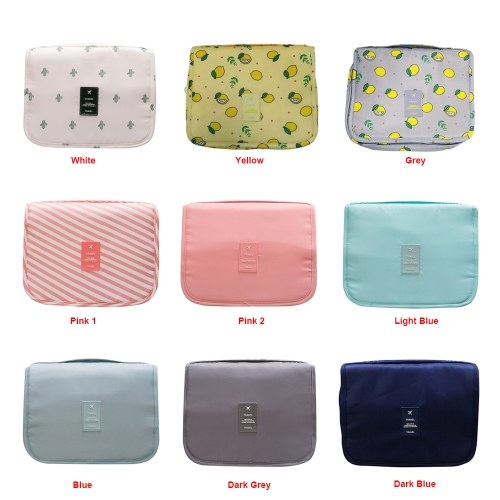
Housse de bagage de voyage Housse de valise élastique Housse anti-poussière
Multi award winning Ocean Rafting visits the “Wild Side” of the Whitsunday Islands, the uninhabited islands with beautiful natural scenery brimming with marine, bird and animal life. There are two exciting tour options, the Northern Exposure and Southern Lights. Each Ocean Rafting day offers three days in one, including an exhilarating ride to Whitehaven Beach and Hill Inlet, pristine snorkelling reefs and guided Whitsunday Island National Parks walks. Ocean Rafting offers the ultimate access to the stunning and iconic Hill Inlet beach and special snorkel sites at Hook Island and Border Island ensure a memorable underwater experience. The semi rigid inflatable vessels are super fast allowing guests to experience a fun ride, adventure and education amongst the natural beauty of the Whitsundays. 32 passengers at most allows for personal snorkelling lessons and the pleasure of a small group. A buffet style lunch is served at the beach with plenty of time to swim in the turquoise ocean or just relax on the silica white sand. Ocean Rafting has been operating since 1997 and is proud to have special permits allowing its vessels to visit protected areas in the Great Barrier Reef Marine Park. The Skipper and Eco Host will ensure guests have a fun filled adventure and personalised service with snorkel lessons and a guided National Park walk in the Whitsunday Islands. Tours depart from Abell Point Marina North and courtesy coach pickups are included.
Very near the Sagrada Família, you'll find an art-nouveau gem, the Recinte Modernista de Sant Pau. Designed by the architect Lluís Domènech i Montaner, it was built between 1905 and 1930. After housing the Hospital de la Santa Creu i Sant Pau (one of Europe's oldest healthcare centres) for more than eight decades, a restoration project commenced on the old pavilions in 2009. This process has restored the beauty of one of the iconic works of Catalonia's home-grown art nouveau, modernisme. The tour begins in the exhibition space in the Sant Salvador Pavilion takes you on a journey throughthe history of medicine in Barcelona. The upper floor of the building concentrates particularly on the figure and work of Lluís Domènech i Montaner. Sant Salvador Pavilion marks the start of a recommended route around the outdoor spaces of the Art Nouveau Site that reproduce the garden city model designed in the early 20th century. You can also enter the Sant Rafael Pavilion and see its interior, moreover, you can take the underground tunnels communicating the various buildings and visit the most representative heritage spaces of the Administration Pavilion.