Libre
Soutien
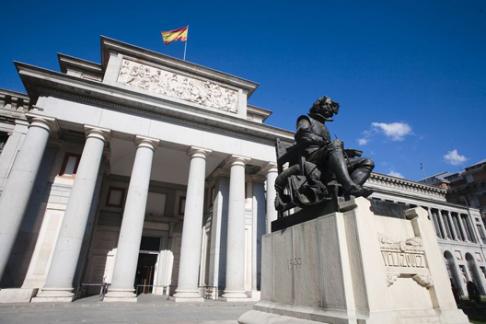
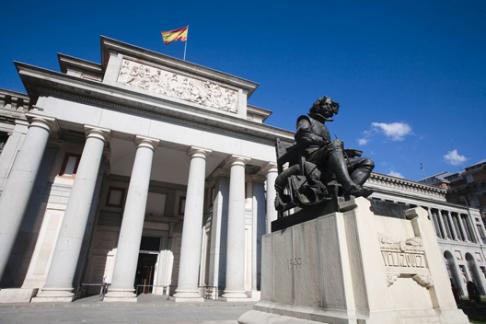
The building that today houses the Museo Nacional del Prado was designed by architect Juan de Villanueva in 1785. It was constructed to house the Natural History Cabinet, by orders of King Charles III. However, the building's final purpose - as the new Royal Museum of Paintings and Sculptures - was the decision of the monarch's grandson, King Ferdinand VII, encouraged by his wife Queen Maria Isabel de Braganza. The Museo Nacional del Prado, opened to the public for the first time in November 1819. The Museum's first catalogue, published in 1819, included 311 paintings, although at that time its collection comprised just over 1,510 pictures from the various Reales Sitios (Royal Residences). The exceptionally important royal collection, which represents the foundation of the Museum's collection as we know it today, started to increase significantly in the 16th century during the time of Charles V and continued to thrive under the succeeding Habsburg and Bourbon Monarchs. It is down to them than nowadays we can contemplate in the Museum as greatest masterpieces as The Garden of Earthly Delights by Bosch, The Nobleman with his hand on his Chest by El Greco, Las Meninas by Velázquez and The Family of Carlos IV by Goya. The visit will take place in chronological order, starting with the exhibit hall where the masterpieces of J. Bosch (El Bosco) (1450-1516): The Table of the 7 Deadly Sins, The Hay Wain, The temptations of San Antonio, The Stone of Madness and The Garden of Delights, to continue with the rooms devoted to the Greco (1540-1614): The gentleman's hand on his chest, The Trinity, Christ embraced the cross and The Annunciation. Velázquez (1599-1660): The Worship, Drunkards, Equestrian Portraits, the Forge of Vulcan, The Christ, The spinners, Spears and Las Meninas, ending with Goya (1746-1828): The family of Carlos IV Pictures, The Shootings of May 2nd, Pestles and Black Paintings.
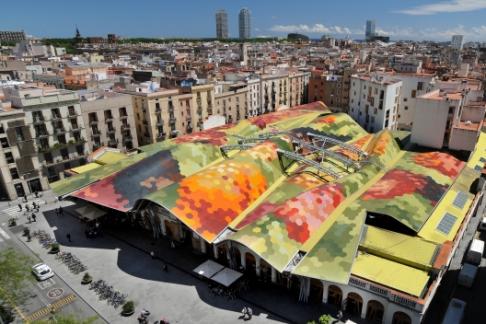
Adapted, easy version designed for people with reduced mobility. If you walk with the aid of a stick, need a wheelchair to get around, or get tired when you have to stand for too long, this is the guided accessible route through the Gothic Quarter. An itinerary adapted to your needs! A walk through the centre of Barcelona to find out what the Roman colony of Barcino was like and about the changes that have taken place over the centuries… or curious facts such as why the Gothic Quarter is said to be a 20th-century "invention". Discover details and anecdotes that will reveal a new way of connecting to the architectural heritage around you. Experience the atmosphere of this historic neighbourhood and take part in its everyday activities which are constantly evolving and often surprising.
City Sightseeing Amsterdam - discover all the things to do in this cultural city Discover the city with City Sightseeing's 9 Hop On Hop Off stops, located about the city. Marvel at the original works of the famous Dutch artist in the renowned Van Gogh Museum and Contemplate the heart-rending history of the Jewish community with a visit to the home of the diarist Anne Frank. There are plenty of museums to explore including the Amsterdam's Historisch Museum, Rembrandt House Museum, Madame Tussauds, the Diamond Museum and the Jewish Historical Museum. Other must-see attractions include the Amsterdam Dungeon, the Royal Palace, and Madame Tussauds. You won't be short of things to do in Amsterdam Stake a bet at the Casino, relax in the Hard Rock Café, meander through the Red Light District or encounter the Heineken Experience. If you're looking for souvenirs and gifts, take a stroll around the many shops and boutiques and also discover the multi-ethnic spirit of Amsterdam at the Flower Market and Flea Market. Amsterdam Ice Bar Your combination ticket also includes Amsterdam's Xtracold Icebar. By far the coolest attraction in town, fashioned completely from ice – with frozen furniture, walls and even glasses! You’ll be given special thermal clothing and gloves to wear before you step into the frosty bar with a temperature of 14 degrees Fahrenheit (negative 10 degrees Celsius)! Once inside, spend 30 minutes relaxing at leisure, enjoying either a Smirnoff cocktail or Heineken beer; or take part in a 3D ride experience over icebergs and along steep cliffs in a frozen landscape.
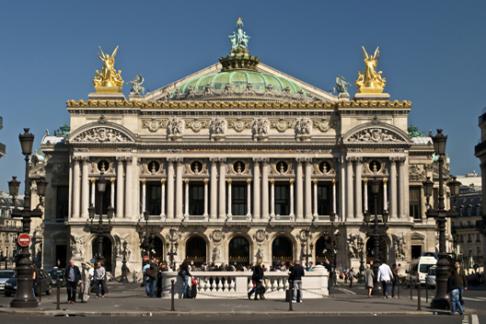
Included : The services of a national licensed driver guide Guided visit of Garnier Opera Entrance tickets Audiophone Information : Be careful! This tour could not be suitable for people with walking difficulties (2hrs of walking) Language : English : Wed French : Wed, Sat Spanish : Wed * End in the quarter of "Grands Boulevards", Opera
El edificio que hoy sirve de sede al Museo Nacional del Prado fue diseñado por el arquitecto Juan de Villanueva en 1785, como Gabinete de Ciencias Naturales, por orden de Carlos III. No obstante, el destino final de esta construcción no estaría claro hasta que su nieto Fernando VII, impulsado por su esposa la reina María Isabel de Braganza, tomó la decisión de destinar este edificio a la creación de un Real Museo de Pinturas y Esculturas. El Museo Nacional del Prado, abrió por primera vez al público en 1819. El primer catálogo constaba de 311 pinturas, aunque para entonces en el Museo se guardaban ya 1510 obras procedentes de los Reales Sitios. Las valiosísimas Colecciones Reales, germen de la colección del actual Museo del Prado, comenzaron a tomar forma en el siglo XVI bajo los auspicios del emperador Carlos V y fueron sucesivamente enriquecidas por todos los monarcas que le sucedieron, tanto Austrias como Borbones. A ellos se deben los tesoros más emblemáticos que se pueden contemplar hoy en el Prado, tales como El jardín de las Delicias de El Bosco, El caballero de la mano en el pecho de El Greco, Las Meninas de Velázquez o La familia de Carlos IV de Goya. La visita se realizará en orden cronológico, comenzando con la sala donde se exhiben las obras maestras de J. Bosch (El Bosco) (1450-1516): La mesa de los 7 pecados capitales, El carro de heno, Las tentaciones de San Antonio, La piedra de la locura y El jardín de las Delicias, para proseguir con las salas dedicadas a El Greco (1540-1614): El caballero de la mano en el pecho, La trinidad, El Cristo abrazado a la cruz y La anunciación. Velázquez (1599-1660): La adoración, Los borrachos, retratos ecuestres, La fragua de Vulcano, el Cristo, Las hilanderas, Las lanzas y Las meninas, finalizando con Goya (1746-1828): la familia de Carlos IV, los retratos, Los fusilamientos del 2 de Mayo, las majas y las pinturas negras.

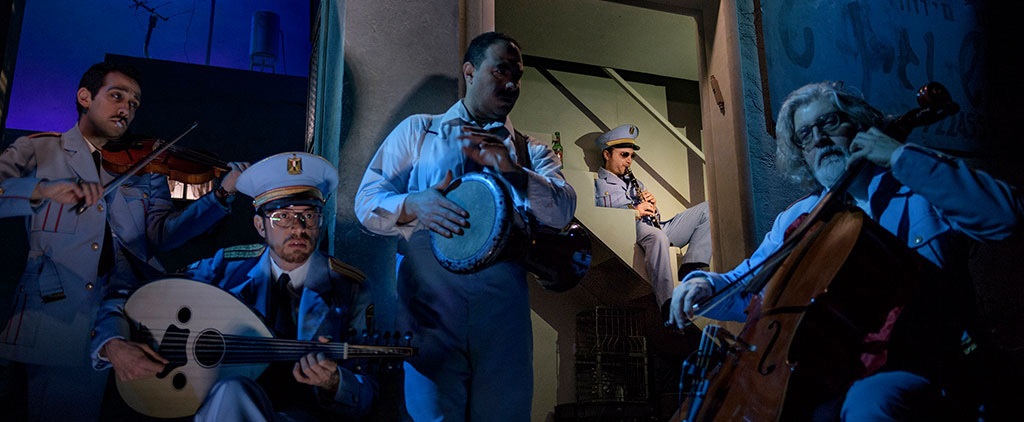
Based on the award winning film of the same name The Band's Visit will premiere on Broadway and you can see the show with discount tickets from ShowTickets.com