Libre
Soutien

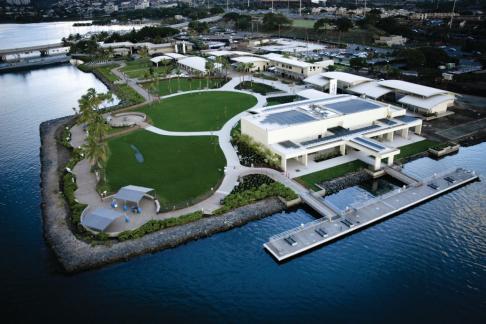
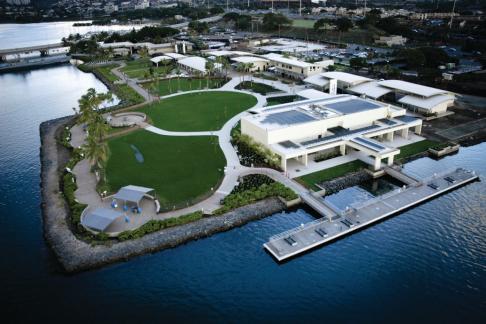
** None of these Pearl Harbor Tours include the USS Arizona Memorial movie/boat tour, please visit recreation.gov for these tickets. Also the National Park Service offers over 1,300 free walk-in tickets each day for the USS Arizona Memorial Tour on a first-come, first-served basis. Be sure to come early for these walk up tickets, the Pearl Harbor Visitor Center is open daily from 7am. Please redeem your 365 ticket voucher at the Pearl Harbor Historic Parks ticket counter, also located in the courtyard of the Pearl Harbor Visitor Center. Check In Policy & Maximizing Your Time Visitors with ticket reservations are required to check in at the National Park Service ticket counter one hour before their tour time. If you check in late, the National Park Service reserves the right to reassign your tour tickets. We highly recommend starting at the Visitors Center’s museum before embarking to the memorial. No Bag Policy For security reasons, no purses, backpacks, fanny packs, diaper bags, large camera cases or luggage is allowed at the Pearl Harbor Visitor Center. Valuables should not be left in your vehicle. Bag storage is available at the entrance for a fee of $3 per bag. We recommend that visitors bring in their wallets, ID, water, cameras and cellphones. Strollers Strollers are allowed in the Pearl Harbor Visitor Center, but not in the theaters or on shuttle boats to the USS Arizona Memorial. While strollers may be parked at the theaters and picked up once visitors return from the Memorial, the National Park Service is not responsible for monitoring strollers or other personal items left behind. Restrooms There are public restroom facilities available at the Visitor Center; visitors are encouraged to use the facilities at the Visitor Center before beginning their Arizona Memorial Program. Food and Beverage Other than clear bottled water, no food or drinks are allowed in the theater, on the shuttle boats, or at the USS Arizona Memorial. Dress Attire Civilian Visitors are reminded that they are visiting a site of tremendous loss of life in service to our country. Sandals are permissible, but bathing suits or profane T-shirts are discouraged. Military Military visitors to the USS Arizona Memorial are within the boundary of Joint Base Pearl Harbor-Hickam, and military regulations relating to military dress are enforced by Navy personnel. Per the Pacific Commander, military visitors in uniform are required to dress in Class B or better in order to gain access to the shuttle boats to the USS Arizona Memorial. Battle dress uniform is not allowed on the USS Arizona Memorial, though it is allowed throughout the Visitor Center and at sites on Ford Island. Military visitors are welcome to wear civilian clothes when they visit.
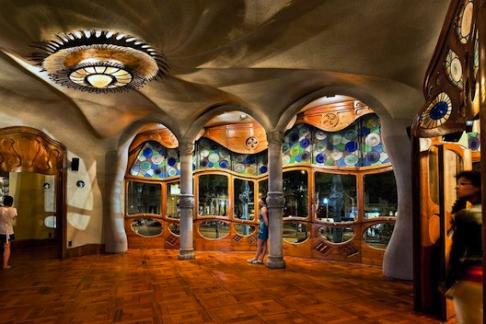
Te invitamos a visitar más que un edificio, un mito del arte, de la arquitectura y del modernismo, la Casa Batlló, donde la luz, el color y la forma se conjugan con la madera, el hierro, el cristal, la cerámica y la piedra gres a la manera fantástica y sorprendente que caracteriza la obra de Gaudí. Recoge tu audioguía y comienza el recorrido por veinte puntos explicativos, descubriendo múltiples detalles difíciles de percibir a primera vista, con metáforas y representaciones de la naturaleza, especialmente del mundo marino, que te inspirarán y estimularán tus sentidos y emociones. Y si lo prefieres puedes alquilar la innovadora videoguía con realidad aumentada, con la cual te transportarás a un mundo mágico normalmente oculto a los ojos. Ambas guías las encontrarás en diferentes idiomas. Visitarás la legendaria planta noble, antigua residencia de la familia Batlló, las golfas que servían de antiguos trasteros y lavaderos, el tejado, las míticas chimeneas y el fantástico patio de luces, antigua escalera de vecinos privilegiados. Y no podéis marchar sin disfrutar del espléndido vestíbulo y escalinata principal, ¡estamos seguros de que os impresionarán!
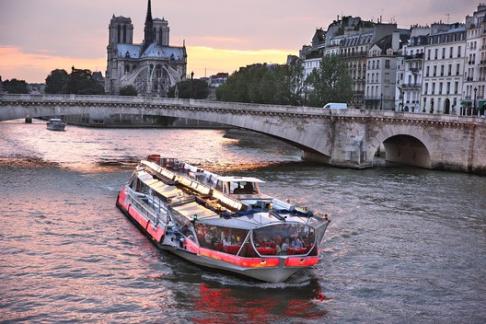
All the tables are situated next to the picture windows to allow everyone to enjoy Paris with all modern conveniences. All their boats have an open deck, which affords a magical, all-round view of the City of Light. Cruise commented in up to 10 languages* Free itinerary translated in 25 languages Boats with an open upper deck 1h10 mns cruise * Languages: French, English, Spanish, Italian, german, russian, chinese, japonese, corean. Bus Tour Pass for 2 consecutive days 4 lines, 50 stops and more than 100 sights Hop-on, hop-off as you wish Audio guide available in 10 languages* Stories and tales of Paris for children (in french, english and espagnol) Free Wifi Click here to view The Map and The Timetable
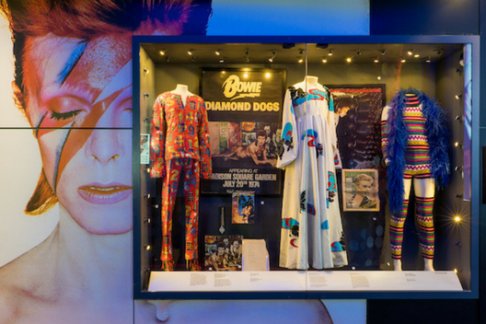
Edge Zones Edge Zone 1 - 1945 - 1962 The Anglo-American special relationship of the Second World War triggered an evolution of musical trends in Britain. Big band music became popular through visiting GIs and the revived sounds of Dixieland and New Orleans trad jazz were introduced into the London scene. The do-it-yourself creed of 1950s skiffle encouraged young musicians to pick up cheap guitars and start their own groups. British pop was transformed by the rock'n'roll craze in the mid 1950s. Edge Zone 2 - 1962 - 1966 In the 1960s, British music went global with the irresistible tide of the 'British Invasion'. The original look and sound of beat groups like The Beatles, R&B bands like The Rolling Stones and female singers like Petula Clark took America by storm and Britain became known as a pop powehouse. Edge Zone 3 - 1966 - 1970 British pop became increasingly involved in cultural exchanges with underground political activity, fashion, art and drugs. Inspired by the 1967 'Summer of Love' in San Francisco, Britain began to stage their own 'love-ins' and 'happenings', with themes of peace and love becoming the inspiration for music in this period. The 12" album toook centre stage and pop evolved into rock as music broke out of the small clubs onto the arena circuit and emerging festival scene. Edge Zone 4 - 1970 - 1975 In contrast to the tough social and economic crisis of 1970s Britain, the charts began to fill with performers singing of escapism, glamour and excitement. A darker vision of 1970s Britain soon appeared through albums like the post-apocalyptic Diamond Dogs by David Bowie and progressive rock flourished. The music industry expanded and audiences sought entertainment, making sell-out arena tours the pinnacle for any successful artist. Edge Zone 5 - 1975 - 1985 This was a period of economic recession in Britain. Pop music reflected this with tougher, more outspoken styles. Punk dramatised Britain's social divisions, while the grassroots Rock Against Racism movement popularised reggae and brought a return to political involvement. Edge Zone 6 - 1985 - 1993 The mid-to-late 1980s was a time of accelerated social, economic, technical and political change. Videos, CDs and satellite broadcasting meant that music was more accessible to the masses. The late 1980s were also a time of regional and musical diversity. Heavy metal was reborn, imported house music reached ecstatic heights with the 'Second Summer of Love' and the 'Madchester' scene was blossoming in the North. Edge Zone 7 - 1993 - 2004 In the mid-1990s, 'Cool Britannia' swept through all areas of British identity. Britpop revived the traditional pop values of the 60s and 70s. The period also saw the rise of manufactured boy bands and The Spice Girls unleashed 'Girl Power' on the world. The rise of Youtube and streaming gave audiences new ways to access music. It presented artists with unchartered waters in the form of new channels emerging to promote their music. Edge Zone 8 - 2004 - Present 2004 saw the launch of X Factor. The manufacturing of pop stars by UK audiences is balanced by the diversity of artists rising to the top of the charts. Rap and R&B stars, indie bands and singer-songwriters take the download chart by storm. The Future It is impossible to predict the future of British music. Who will be the next superstar? how will we listen to music in 2025? Whatever the future, one thing we can be sure of is that the intimate relationship between music and the fan will always continue to transcend any technological, cultural or social barriers. No photography is allowed in the the exhibition.
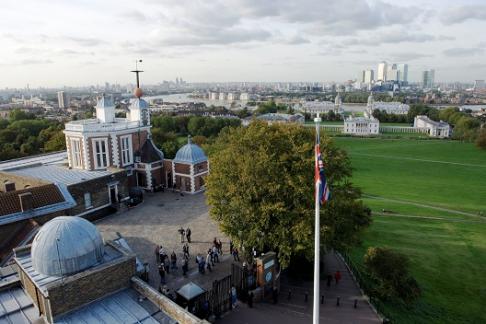
Besuchen Sie das königliche Observatorium in Greenwich, London. Heimat des Nullmeridians der Erde, der Greenwich Mean Time (GMT) und des Londoner Planetariums. Stellen Sie sich auf die Nullmeridianlinie Stellen Sie sich vor den historischen Nullmeridian der Welt und springen Sie von östlichen in die westliche Hemisphäre Machen Sie ein einmaliges Selfie von sich und Ihrer Begleitung Entdecken Sie die bemerkenswerte Geschichte hinter der Referenzlinie für die Greenwich Mean Time (GMT) Entdecken Sie den grünen Laserstrahl, der die Meridian Line am Abendhimmel von der Spitze des Hügels im Greenwich Park in Richtung London Skyline markiert. Die Heimat der Zeit Erfahren Sie, wie das Königliche Observatorium das Zuhause der Greenwich Mean Time (GMT) und der ersten staatlich finanzierten wissenschaftlichen Einrichtung seiner Zeit wurde. Bewundern Sie John Harrisons wegweisende Zeitmesser aus nächster Nähe und erkunden Sie den Arbeitsplatz der königlichen Astronomen. Der leuchtend rote Zeitball auf dem Flamsteed-Haus ist eines der frühesten öffentlichen Zeitsignale der Welt und wurde erstmals 1833 aktiviert und funktioniert noch heute. Schon vor über 100 Jahren gab das Great Equatorial Telescope den Astronomen neue Einblicke in das Universum. Es befindet sich in der riesigen Zwiebelkuppel des Observatoriums. Das National Maritime Museum und das Queen's House befinden sind Teil des UNESCO-Weltkulturerbes Maritime Greenwich und sind nur einen kurzen Fußweg von der Sternwarte entfernt. Beide Attraktionen können kostenlos besichtigt werden. Cutty Sark, der weltweit einzige Tee-Klipper (Segelschiff), ist heute ein preisgekröntes Museum und Besuchererlebnis und ein weiteres Muss bei einem Besuch in Greenwich.
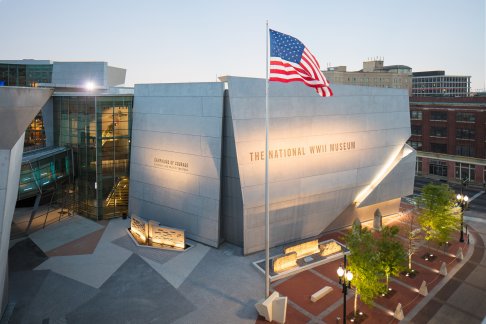
El Museo Nacional de la Segunda Guerra Mundial presenta una rica colección de artefactos que consiguen dar vida a la historia durante el período de la II Guerra Mundial en los EE.UU. Explore la experiencia estadounidense en la guerra que cambió el mundo. Desde las galerías del Día D hasta el altísimo pabellón US Freedom: The Boeing Center a las revolucionarias Campaign of Courage, este museo de historia conocido mundialmente fue creado para inspirar a visitantes de todas las edades, educarlos sobre el heroísmo, la tragedia y la liberación de la II Guerra Mundial. Exhibiciones únicas y sorprendentes: The Arsenal of Democracy – el objetivo del Museo Nacional de la Segunda Guerra Mundial es contar la historia de cómo se ganó la guerra. La Exhibición The Arsenal of Democracy: The Herman and George R. Brown Salute to the Home Front (la exhibición permanente más nueva de museo, ubicada en la segunda planta del Pabellón Lousiana Memorial) literalmente trae la historia a casa. A través de exhibiciones multimedia e interactivas, y basándose en artefactos e historias orales, The Arsenal of Democracy crea innumerables oportunidades para que los visitantes puedan establecer una conexión más directa con la población que vivió la guerra Road to Tokyo – Fundación Richard C. Adkerson y FreeportMcMoRan. La galería del escenario del Pacífico recorre el trágico sendero que conduce desde Pearl Harbor a la bahía de Tokio a través de Nueva Guinea y el sudeste de Asia el Himalaya, Birmania, las islas del Pacífico, China, India y Alaska. Road to Berlin – The Duchossois Family. La galería del escenario europeo da vida al drama, los sacrificios, las historias personales y las estrategias de la campaña de los Estados Unidos para derrotar los poderes del Eje y preservar la libertad. Beyond All Boundaries – muestra exclusivamente la Guerra que cambió el mundo en 4D, en el teatro Solomon Victory del Museo Nacional de la Seguda Guerra Mundial. No incluida con la entrada. The D-Day Invasion Of Normandy – esta original exhibición, que se encuentra en la tercera planta del Pabellón Louisiana Memorial, ayuda a entender a qué se enfrentaron los Aliados en Normandía, desde los preparativos exhaustivos hasta los enormes desafíos una vez que las tropas aterrizaron en las playas de Normandía. Galería US Merchant Marine – esta galería rinde homenaje a los marineros mercantes civiles que arriesgaron sus vidas transportando armas, hombres y material para las tropas estadounidenses en el extranjero. Final Mission: USS Tang Submarine Experience – esta exhibición sitúa a los visitantes bordo del submarino más exitoso en la Segunda Guerra Mundial para la última patrulla de guerra el 25 de octubre de 1944. No incluida con la entrada. Manufacturing Victory – Siga el trayecto industrial que llevó a los Estados Unidos de una nación peligrosamente preparada para la guerra a una superpotencia global que condujo a los Aliados a la victoria en la II Guerra Mundial. Galería Special Exhibit – Fundación Joe W. and Dorothy D. Brown. Esta galería presenta exhibiciones rotativas a partir de colecciones propias del Museo, así como exhibiciones itinerantes relevantes de instituciones líderes de todo el mundo.