Libre
Soutien
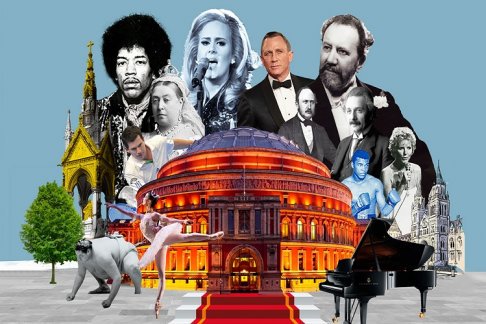
Royal Albert Hall - Grand Tour Did you know? There are 13,000 “A”s for Albert around Hall The Hall is home to the world's largest single woven carpet design, made of 326,666 sheep fleeces and 49 million tufts getting it into the Guinness World Records The world’s biggest Christmas pudding was made at the Hall and weighed ten tonnes The first ever body-building contest and Sumo wrestling tournament outside Japan took place in the main auditorium The Elgar Room used to be home to the Central School of Speech & Drama, giving a stage to names including Sir Lawrence Olivier and Dame Judy Dench 5,500 bottles of champagne and 1,800 bottles of gin are drunk at the Hall every year Afternoon Tea was introduced to Britain by Queen Victoria. The first tea party was held at the Hall in 1912. The tradition continues today in the Hall's Verdi Restaurant The Royal Albert Hall Grand Tour is fully accessible. Some time slots and/or dates are unavailable due to events taking place in the auditorium. The Royal Albert Hall was built to fulfil the vision of Prince Albert (Queen Victoria's consort) of a 'Central Hall' that would be used to promote understanding and appreciation of the Arts and Sciences and would stand at the heart of the South Kensington estate, surrounded by museums and places of learning. The Hall is a Grade I Listed building; and has been in continuous use since it was opened in March 1871. It was always conceived as a multipurpose building to host not only concerts of music but exhibitions, public meetings, scientific conversations and award ceremonies. It is a registered charity held in trust for the nation and is financially self sufficient, receiving no funding from central or local government. Kensington Palace and the Diana Exhibition Kensington Palace unveils a palace of secret stories and public lives. Visitors arrive through beautiful landscaped gardens evoking a past when Kensington was countryside. From the entrance hall start your journey through the magnificent Kings and Queen’s State Apartments. Filled with stories of two royal courts; the Stuarts and the Hanoverians, learn what you would have worn, how you should behave and how to succeed in the heady atmosphere of the palace state apartments. The Queen's State Apartments Explore these intimate, private rooms created for Queen Mary II, who ruled jointly with her husband, King William III, in the 17th century. The Queen’s rooms The Queen's Staircase, little changed since its construction in 1690, is deliberately plainer than the King's. Mary would have glided down its steps to reach her beloved gardens, created in the Dutch style, through the door at its foot. Diana: Her Fashion Story ‘Diana: Her Fashion Story’ will trace the evolution of the Princess’s style, from the demure, romantic outfits of her first public appearances, to the glamour, elegance and confidence of her later life. From her earliest royal engagements, everything Diana wore was closely scrutinised, and the exhibition will explore how she navigated her unique position in the public eye: learning to use her image to engage and inspire people, and to champion the causes she cared about. Discover exquisite and celebrated outfits from throughout the Princess’s public life. The exhibition will bring together an extraordinary collection of garments, ranging from the glamorous evening gowns worn on engagements in the 1980s, to the chic Catherine Walker suits that made up Diana’s ‘working wardrobe’ in the 1990s. The Princess’s relationship with her favourite designers will be explored through a display of some of their original fashion sketches, created for her during the design process. Exhibition highlights will include the pale pink Emanuel blouse worn for Diana’s engagement portrait by Lord Snowdon in 1981, and Victor Edelstein’s iconic ink blue velvet gown, famously worn at the White House when the Princess danced with John Travolta. A blue tartan Emanuel suit, worn for an official visit to Venice in the 1980s, will go on display in public for the first time. The suit, a rare survival of the Princess’s daywear, was only recently rediscovered and acquired by Historic Royal Palaces – the charity responsible for Kensington Palace - at auction. * Please note, this exhibit is due to be very popular, queues are to be expected.

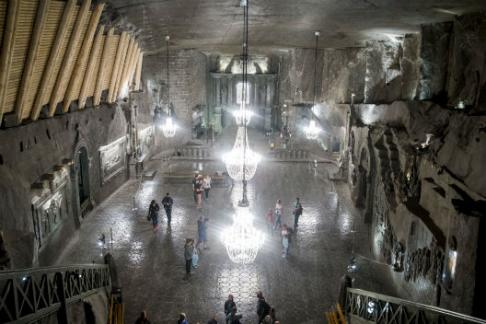
The tour takes place under the supervision of a guide The temperature in the mine is constant (about 14 degrees), and therefore it is recommended to bring warm clothing even in the summer There are 800 steps on the way, including 380 right at the start It is recommended to wear comfortable shoes The price does not include fees for photography and filming Entry is free for children under 5 years of age traveling with carers, although it is necessary to provide this information when making a reservation The service does not include a meal, so please bring a packed lunch
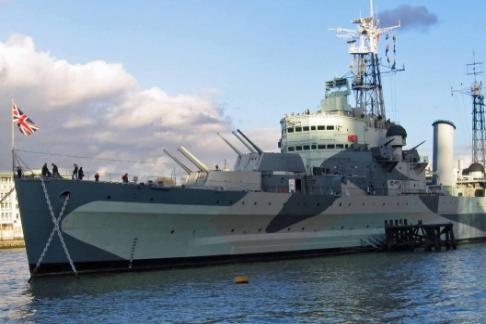
HMS Belfast One of the most powerful large light cruisers ever built, HMS Belfast is now the only surviving vessel of her type to have seen active service during the Second World War. HMS Belfast played a leading part in the destruction of the battle cruiser Scharnhorst, and also the Normandy Landings. In service with the Royal Navy until 1965, she was saved for the nation in 1971 as a unique reminder of Britain’s naval heritage. Launch! Shipbuilding Through the Ages This new family-orientated exhibition will use hands-on and computerised interactive displays and engaging film and footage to demonstrate techniques of shipbuilding, from the ‘age of sail’ to modern prefabrication methods. The exhibition will focus on the science, engineering and social history of shipbuilding in Great Britain, and the interactive elements of the exhibition will allow children of all ages to get involved and experience this history. Explore ‘What shall we give in return for so much?’ One of the most powerful large light cruisers ever built, HMS Belfast is now the only surviving vessel of her type to have seen active service during the Second World War. Serving Britain for 32 years, she played an important role in both the Second World War and the Korean War as well as performing peacekeeping duties throughout the 1950s and 1960s. Saved from destruction in 1971, HMS Belfast is now part of the Imperial War Museum and is the first ship to be preserved for the nation since Nelson’s Victory. Through its team of staff and volunteers – many of whom are veteran crew – the Imperial War Museum is dedicated to making sure that HMS Belfast still has a role to play in reminding visitors of her unique place in Britain’s maritime heritage. History of HMS Belfast The term 'cruiser' goes back to the days of sailing ships when large frigates could be detached from the main fleet to cruise independently. The sailing cruiser, like her twentieth-century counterpart, was sufficiently powerful and fast to attack and destroy enemy commerce raiders. During the nineteenth century when sail gave way to steam and wooden ships were replaced by those built of iron, and later of steel, the cruiser evolved into a powerful warship which was used to patrol the Empire trade routes and protect friendly merchant shipping. After the First World War (1914-1918) a single category of cruiser emerged whose size was indicated by the size of its guns; thus, HMS Belfast is a 6-inch cruiser, designed for the protection of trade, for offensive action, and as a powerful support for amphibious operations. Please note: children under 16 must be accompanied by an adult. Please allow 1½ - 2 hours for your visit. Tower Bridge Exhibition Walkways & Exhibition: Visitors enter Tower Bridge Exhibition via the North Tower. They are then transported by lift to the top of the Tower (47 metres above the Thames) where they have a unique opportunity to see the Bridge’s steel skeleton from within. A short film explains the history and provenance of the Bridge and then there is the chance to admire the spectacular views – from both covered Walkways. On Monday 1st December, Tower Bridge’s East Walkway will reopen with its own GLASS FLOOR, joining the West Walkway to complete our new-look exhibition. Together with far-reaching views of East London, the walkway will be bolstered with a further 20 revered bridges in the extended popular display, ‘Great Bridges of the World’. On the east Walkway there are fantastic views of the Docklands and from the west Walkway you can see the new GLA building, the Tower of London, St Paul’s, the city, the Pool of London and Big Ben and the London Eye in the distance. Interactive computerised kiosks and graphic panels explain the significance of the views to visitors, as well as providing more information on the history and building of the Bridge. The interactive material and graphic panels are written in seven languages and an audio loop for the hard of hearing is also in place for the video show. There is another film to view in the South Tower before descending for the short walk to the historical Engine Rooms, included in your ticket price. Victorian Engine Rooms: These provide a fascinating insight into late 19th century engineering. Installed for the completion of Tower Bridge in 1894, these huge, and beautifully maintained, coal-driven engines were used to power the thousands of bascule Bridge lifts performed until 1976. Although lifts are now operated by electricity, the original steam engines are still in place. The Engine Rooms give visitors a chance to experiment with models demonstrating the technology behind the Bridge. There are also some amazing photographs of Tower BridgeTthroughout its lifetime – including a revealing picture of the heavy steel structure of the Bridge as the stone cladding was installed over it.
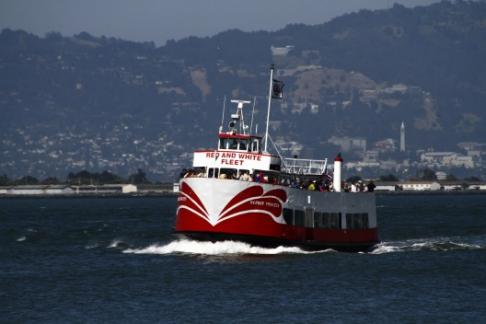
Get a great view of some of the greatest sights of the city on this San Francisco Bay sunset cruise. Cruise past the infamous island of Alcatraz, around Angel Island National Park, under the majestic span of the Golden Gate, and along the beautiful shorelines of Tiburon and Sausalito, as the sun sets over the Pacific Ocean. Be sure to dress warmly if you plan to be on the outside decks as San Francisco Evening Bay Tours are known to have cool evening weather – but trust us that you will love the views nonetheless!
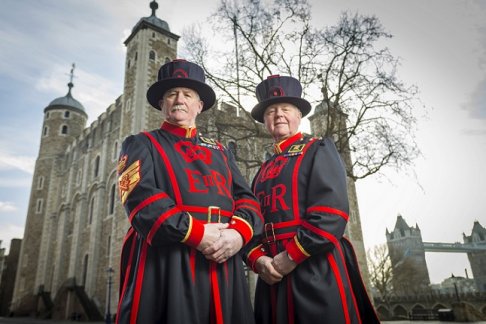
SPECIAL OFFER! Save 25% on Royal Passes for Black Friday! Offer ends 2nd December 2018 Highlights: The Royal Central London Pass brings together over 900 years of royal history to life in a simple, convenient and prestigious package. Enjoy entry to three of London's most visited royal palaces: Tower of London, Kensington Palace and Banqueting House. Unbeatable savings from buying tickets individually and a pass that’s valid for two years. Discover the three sites at your own pace. Book in advance and bypass the main entrance lines at each palace. Ticket Includes: Instant ticket delivery. Admission to Tower of London, Kensington Palace & Banqueting House. Valid for 2 years from the date of issue. One visit per palace during this time. Voucher can be exchanged at any of the three Palaces. Why Book the Royal Palace Pass? You will save yourself time and hassle by booking these three popular attractions in advance. Plus, the Royal Palace Pass lets you skip the main lines at each site and, because it's valid for a full two years, you can spread out your visits as you wish. What You Can Expect Tower of London The Tower of London has been an essential part of British royal history for almost 1,000 years and is classified as a UNESCO World Heritage Site. At the Tower, you can admire the breathtaking Crown Jewels, stand on the execution site of three British queens and listen to mesmerising myths and legends that have surrounded the Tower for centuries. Kensington Palace Generations of royal women have shaped this stylish palace and elegant gardens, from Queen Mary to Victoria, and more recently, Diana, Princess of Wales. Today, the palace also houses a stunning collection of fashionable formal dress worn for state and royal occasions. Banqueting House The Banqueting House, Whitehall, central London, is the grandest and best known survivor of it's architectural genre. This stunning venue is the only surviving building of Whitehall Palace, the sovereign's principal residence until it was destroyed by fire over 300 years ago.
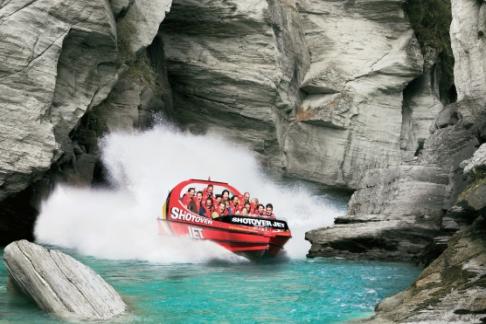
See the Shotover River from every angle as you take on the Shotover Canyon Combo - The ultimate Shotover experience! Perched high on the edge of a cliff sits the Shotover Canyon Swing, a purpose built swing that boasts over 70 jump styles and a 60m free-fall before swinging out in a 200m arc. The atmosphere is electric and the adrenalin rush guaranteed as you take the leap from the platform mounted 109m above the Shotover River. Then check out the canyon walls from water level at speeds of up to 85kms per hour on the world famous Shotover Jet. Feel the rush of wind in your hair as you whip past the rocky outcrops and spin 360 in the big red boats. Take to the skies on a roller coaster helicopter ride to see the Shotover River from above, before landing in the remote Skippers Canyon section of the river. Top it all off by taking on the white water as you raft down the rapids to end your Shotover adventure! YOU SHOULD BRING: Swim wear Towel Closed and secure shoes for the swing Warm clothes during winter periods