Libre
Soutien

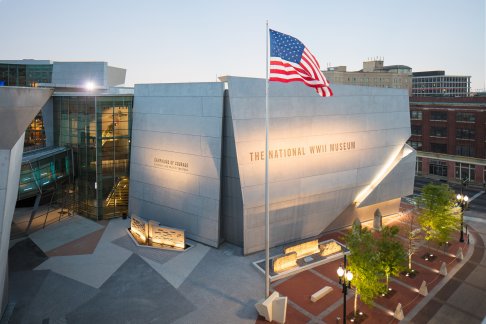
El Museo Nacional de la Segunda Guerra Mundial presenta una rica colección de artefactos que consiguen dar vida a la historia durante el período de la II Guerra Mundial en los EE.UU. Explore la experiencia estadounidense en la guerra que cambió el mundo. Desde las galerías del Día D hasta el altísimo pabellón US Freedom: The Boeing Center a las revolucionarias Campaign of Courage, este museo de historia conocido mundialmente fue creado para inspirar a visitantes de todas las edades, educarlos sobre el heroísmo, la tragedia y la liberación de la II Guerra Mundial. Exhibiciones únicas y sorprendentes: The Arsenal of Democracy – el objetivo del Museo Nacional de la Segunda Guerra Mundial es contar la historia de cómo se ganó la guerra. La Exhibición The Arsenal of Democracy: The Herman and George R. Brown Salute to the Home Front (la exhibición permanente más nueva de museo, ubicada en la segunda planta del Pabellón Lousiana Memorial) literalmente trae la historia a casa. A través de exhibiciones multimedia e interactivas, y basándose en artefactos e historias orales, The Arsenal of Democracy crea innumerables oportunidades para que los visitantes puedan establecer una conexión más directa con la población que vivió la guerra Road to Tokyo – Fundación Richard C. Adkerson y FreeportMcMoRan. La galería del escenario del Pacífico recorre el trágico sendero que conduce desde Pearl Harbor a la bahía de Tokio a través de Nueva Guinea y el sudeste de Asia el Himalaya, Birmania, las islas del Pacífico, China, India y Alaska. Road to Berlin – The Duchossois Family. La galería del escenario europeo da vida al drama, los sacrificios, las historias personales y las estrategias de la campaña de los Estados Unidos para derrotar los poderes del Eje y preservar la libertad. Beyond All Boundaries – muestra exclusivamente la Guerra que cambió el mundo en 4D, en el teatro Solomon Victory del Museo Nacional de la Seguda Guerra Mundial. No incluida con la entrada. The D-Day Invasion Of Normandy – esta original exhibición, que se encuentra en la tercera planta del Pabellón Louisiana Memorial, ayuda a entender a qué se enfrentaron los Aliados en Normandía, desde los preparativos exhaustivos hasta los enormes desafíos una vez que las tropas aterrizaron en las playas de Normandía. Galería US Merchant Marine – esta galería rinde homenaje a los marineros mercantes civiles que arriesgaron sus vidas transportando armas, hombres y material para las tropas estadounidenses en el extranjero. Final Mission: USS Tang Submarine Experience – esta exhibición sitúa a los visitantes bordo del submarino más exitoso en la Segunda Guerra Mundial para la última patrulla de guerra el 25 de octubre de 1944. No incluida con la entrada. Manufacturing Victory – Siga el trayecto industrial que llevó a los Estados Unidos de una nación peligrosamente preparada para la guerra a una superpotencia global que condujo a los Aliados a la victoria en la II Guerra Mundial. Galería Special Exhibit – Fundación Joe W. and Dorothy D. Brown. Esta galería presenta exhibiciones rotativas a partir de colecciones propias del Museo, así como exhibiciones itinerantes relevantes de instituciones líderes de todo el mundo.
¿Cómo utilizar la tarjeta de Bruselas?
La Tarjeta de Bruselas es válida durante 24, 48 o 72 horas a partir de cuándo se usa por primera vez en un museo
Debe usar su tarjeta de Bruselas por primera vez dentro de un año de su fecha de compra.
¿Cómo utilizar la tarjeta de Bruselas en el museo?
Durante el tiempo que la tarjeta es válida se puede visitar el mismo museo tantas veces como desee (sin costes adicionales)
Sólo tiene que presentar su Tarjeta de Bruselas en el mostrador de venta y será validado electrónicamente; esta se activará la primera vez que la utilice
La Tarjeta de Bruselas le da acceso libre a todas las colecciones permanentes de los museos. La mayoría de las exposiciones temporales también están incluidos, a excepción de los viejos maestros Museo, el Museo de Ciencias Naturales y el Museo del Cincuentenario, en las que paga el precio de la entrada normal si quiere visitar las exposiciones temporales.
¿Cómo funcionan los descuentos?
Los descuentos para las diversas atracciones, excursiones, tiendas, restaurantes y bares en esta guía son para un solo uso!
Los descuentos son válidos, incluso después de su Tarjeta de Bruselas ha expirado.
Para obtener el descuento, sólo tiene que presentar su tarjeta de Bruselas y entregar el comprobante correspondiente a encontrar en la parte posterior de la guía.
En el enlace encontrará todo lo que incluye la Tarjeta Turística de Bruselas
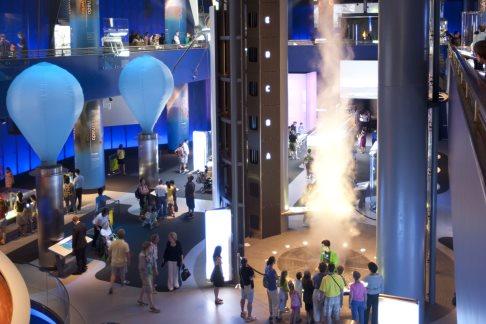
Venga y visite estas fantásticas exposiciones en el Museo de la Ciencia e Industria de Chicago:
Explore el poder del juego con las estructuras gigantes de Lego y los retos de construcción.
La mina de carbón - Descienda al pozo de la mina, de un paseo en los carriles y aprenda la tecnología de la minería del carbón.
Submarino U-505 - Descubra la verdadera U-505, el único submarino alemán en los Estados Unidos.
El Futuro de la Energía en Chicago - Colabore en una simulación acelerada para crear una ciudad más sostenible.
Genética y el criadero de pollitos - Descubra la compleja interacción entre los genes y los elementos ambientales que producen una nueva vida.
Los números en la naturaleza: Un laberinto de espejos - Descubra los patrones matemáticos que abundan en el mundo natural.
La Ciencia de las tormentas: Sienta la física y descubra la química de los fenómenos naturales como tornados y avalanchas.
La Gran Historia de tren: Viaje de Chicago a Seattle viendo todos los detalles en esta grandiosa maqueta de la red de ferrocarril.
¡You! The Experience: Examine la misma experiencia de la vida y la conexión entre mente, cuerpo y alma.
Todos a bordo del Silver Streak: el Zephyr Pionero - Suba a bordo del primer tren de pasajeros diesel-eléctrico optimizado de América.
El Castillo de cuento de Colleen Moore: Viva la magia de un castillo de cuento real en el Collen Moore's Fairy Castle.
DARPA: Redefiniendo posible - Conoce a la agencia detrás de algunas de nuestras tecnologías favoritas.
La Factoría de Ideas: Los más pequeños podrán chapotear, apilar y girar a través de experimentos para probar los principios científicos.
Transportation Gallery: Descubra como la humanidad ha volado, se ha elevado, ha acelerado y ha avanzado a través de los años.
Farm Tech: Entre en una moderna granja y explore las innovaciones que le traen la comida a la mesa.
Fast Forward - Inventando el futuro: Sumérjase en el mundo de los inventos del mañana y los visionarios de hoy en día.
Henry Crown Space Center: Recupere la emoción de la Carrera Espacial y aprenda acerca del futuro de la exploración espacial.
El Arte de la Bicicleta: Vea el arte y la técnica de esta exposición de raras y antiguas bicicletas junto a las bicicletas de última tecnología.
Earth Revealed: Tenga una visión cercana y casi en 'tiempo real' de nuestro planeta Tierra.
Ciencia de los Materiales: Explore la historia y futuro de los materiales que impactan nuestra vida día a día.
Barcos a través de los Siglos: Siga la historia de la conquista del mar a través de la colección de modelos de barcos del Museo.
Swiss Jolly Ball: Vea la máquina de pinball más grande del mundo ante usted.
ToyMaker 3000: Una aventura de la automatización - Esta cadena de montaje de robots manufactura diversión al montar peonzas de juguete personalizada ante sus ojos.
Yesterday's Main Street: Viaje en el tiempo y viva la América de principios del 1900.
Hay actividades adicionales que se pueden comprar en el Museo. Requieren una entrada con hora adicional: 12$ adulto, 9$ niño (de 3 a 11 años). Sujeto a disponibilidad:
Coal Mine (La mina de carbón)
The WOW! Tour
U505 Submarine On-Board Tour
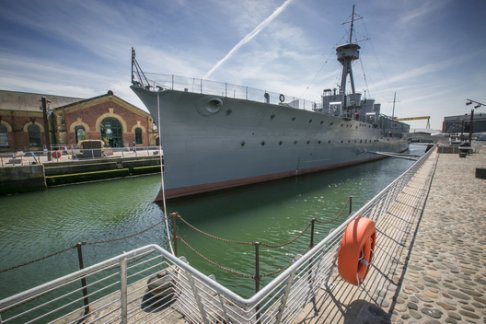
HMS Caroline Duración de la visita: 90 minutos aproximadamente. Dirección: Muelle Alexandra, Queens Rd, Belfast BT3 9DT. Debe canjear los vales en la misma dirección Tenga en cuenta: los tacones más altos que 5 cm no se pueden usar a bordo. Titanic Belfast y SS Nomadic Descubra cómo fue abordar el RMS Titanic en el fatídico viaje inaugural con la visita al Titanic Belfast y al SS Nomadic. El edificio del museo marítimo, Titanic Belfast, fue construido a la misma escala gigantesca que el RMS Titanic. La exhibición del museo es informativa e interactiva, además de divertida, atractiva y accesible para todos. La aventura empieza al entrar en el vestíbulo gigante del edificio, rodeado por las cuatro secciones, en forma de casco naval, que albergan la experiencia. Mientras pasea por el Titanic Belfast, aprenderá aspectos interesantes sobre el Belfast de finales de siglo. Además experimentará un emocionante paseo a través de la reconstrucción de los astilleros y la construcción del Titanic. Descubra las historias de los pasajeros, la tripulación y los héroes del día; reviva el trágico final del viaje inaugural del Titanic y visite el fondo del Atlántico, lugar del naufragio. Disfrute de las impresionantes vistas de las gradas desde donde zarpó el Titanic y relájese en uno de los excelentes restaurantes. El SS Nomadic se encuentra en el muelle seco de Hamilton, adyacente al Titanic Belfast. No solo es famoso por ser el transbordador del RMS Titanic, también sirvió en la Primera y Segunda Guerra Mundial. Los visitantes pueden seguir los pasos de los pasajeros y soldados del Titanic y de celebridades como Charles Chaplin, Elizabeth Taylor, Richard Burton y Marie Curie. Tras una temporada como restaurante y club nocturno, el SS Nomadic recuperó su esplendor original y regresó a su lugar de procedencia, Belfast. Los visitantes ahora pueden experimentar una pieza auténtica y tangible del patrimonio industrial y marítimo de Belfast. Tenga en cuenta que los niños y niñas deben ir acompañados por un adulto durante toda la visita.
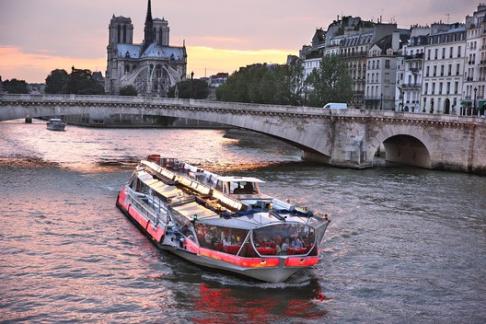
All the tables are situated next to the picture windows to allow everyone to enjoy Paris with all modern conveniences. All their boats have an open deck, which affords a magical, all-round view of the City of Light. Cruise commented in up to 10 languages* Free itinerary translated in 25 languages Boats with an open upper deck 1h10 mns cruise * Languages: French, English, Spanish, Italian, german, russian, chinese, japonese, corean. Bus Tour Pass for 2 consecutive days 4 lines, 50 stops and more than 100 sights Hop-on, hop-off as you wish Audio guide available in 10 languages* Stories and tales of Paris for children (in french, english and espagnol) Free Wifi Click here to view The Map and The Timetable
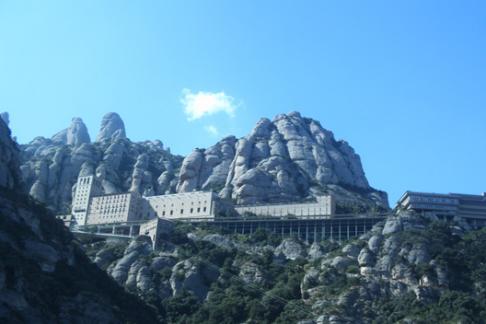
Las rocas de Montserrat son de un cemento natural de arena que durante siglos han sido modificadas por el viento y la lluvia, es por ello que tienen esa forma tan extraña y variada. La imaginación popular ha visto formas humanas o animales en alguno de sus picos, dándoles nombre e inventando leyendas para explicar su fantástico origen. Visitará la Real Basílica de Montserrat, la cual acoge la talla románica del siglo XII, la Verge Moreneta (la Virgen Negra). El santuario de Montserrat Benedicto fue fundado en el año 1025 y ofrece un telón de fondo místico de la Virgen de Montserrat, patrona de Cataluña, que está consagrado en la Real Basílica del monasterio. El pequeño monasterio pronto comenzó a recibir a peregrinos y visitantes que han contribuido a la difusión de historias de milagros y prodigios realizados por la Virgen. Hoy, Montserrat ha sido modernizada para seguir atendiendo las necesidades de los peregrines mil años después de su fundación. Tendrá tiempo libre para poder visitar la sala de audiovisuales en donde se proyectan imágenes de la historia y creación del monasterio. Y también podrá degustar los típicos licores creados por los monjes del monasterio. La escolanía de Montserrat es uno de los coros de niños cantores más antiguos de Europa (S.XIV). Los días que hay canto podrán admirar sus magníficas actuaciones. El calendario de actuaciones está sujeto al calendario escolar y a eventos especiales de la escolanía y del monasterio.