SPACE NEEDLE
Two Visits
Visit the Space Needle for spectacular views twice within 24 hours – once during the day, once at night. From 520’ the Observation Deck provides a 360° view of Seattle and beyond that commands your attention. See the snow-capped Cascade Mountains to the east and the majestic Olympic mountain range to the west with breathtaking indoor and outdoor viewing. For Pacific Northwest cuisine that is matched only by the views served with it, visit SkyCity, the Space Needle’s revolving restaurant.
Highlights
Unparelelled views of Mt. Rainer to the south, the Cascade range to the East, and the majestic Olympics to the West.
Perched atop a hill in Seattle Center, its 605-foot height appears even taller.
Zoom in on the action below with a Swarovski telescope, for free.
Colorful, imaginative graphics around the outer edge of the observation level and the informative displays along the interior tell you what you are looking at so you don't have to guess.
SEATTLE AQUARIUM
Discover playful sea otters, graceful octopuses, luminous moon jellies and more. Be amazed by Window on Washington Waters, a 120,000-gallon exhibit with daily dive shows. Touch live sea creatures in our tide pools. Immerse yourself in our Underwater Dome’s 360° view. Take a virtual trip to the tropics in our Pacific Coral Reef exhibit.
Highlights
Visitors are entertained by a fabulous assortment of charming marine mammals, including sea otters, harbors seals and fur seals.
Frequent interpretive shows highlight marine life from the Puget Sound region.
Two large tidepools allow visitors to reach in and feel live seastars, urchins, sea anemones and kelp.
The Underwater Dome provides 360-degree views of Puget Sound life within a 400,000-gallon tank
ARGOSY CRUISES HARBOR TOUR
Learn about Seattle on this entertaining, one-hour, live-narrated cruise of Elliott Bay and the Seattle Harbor. View the spectacular panoramic background of the majestic Cascade and Olympic mountain ranges. See the city’s historic waterfront, sparkling Emerald City skyline, busy shipyards, colorful Alki Beach and breathtaking natural beauty.
Highlights
Take in amazing views of the Seattle skyline, Elliott Bay waterfront, the Olympic and Cascade mountain ranges, shipping terminals, and historic neighborhoods.
Expert narration offers interesting facts about waterfront piers, Seattle’s maritime history and Space Needle.
You’ll have terrific views of the Space Needle.
Catch a glimpse of container ships and The Washington State ferry fleet — the largest in the U.S.
Museum of Pop Culture (MoPOP)
Experience the power of pop culture in MoPOP's colorful Frank Gehry-designed building! Explore some of the most significant moments in rock music, science fiction, and popular culture with hands-on experiences, iconic artifacts, and award-winning exhibitions featuring luminaries in the fields of music, literature, television, video games. CityPASS includes general admission to MoPOP at Seattle Center, located just steps from the Space Needle.
Highlights
Watch music performances and light shows in Sky Church, featuring a mammoth 60’ HD LED screen.
Explore the tools of rock'n'roll in Sound Lab, where you can play instruments, jam out with friends in soundproof rooms, and record your own song.
Travel to a pixelated world of wonder and play in Indie Game Revolution, and get the whole family in on the fun by playing one of the twenty featured single and multiplayer games.
Trace the historical development of the signature instrument of rock ‘n’ roll in Guitar Gallery: The Quest for Volume, presenting 55 vintage, world-changing guitars from the 1770s to the present.
View an original manuscript page from Game of Thrones, in Fantasy: Worlds of Myth and Magic, the Vince Lombardi Trophy in We Are 12™: The Seattle Seahawks and the Road to Victory, a Gizmo puppet from Gremlins in Can’t Look Away: The Lure of Horror Film, the Staff of Ra headpiece from Raiders of the Lost Ark in the Science Fiction and Fantasy Hall of Fame exhibition, and Klingon robes from Star Trek: Deep Space Nine in Infinite Worlds of Science Fiction.
Travel alongside the legendary Jimi Hendrix at the height of his fame in Wild Blue Angel: Hendrix Abroad, 1966-1970.
OR
WOODLAND PARK ZOO
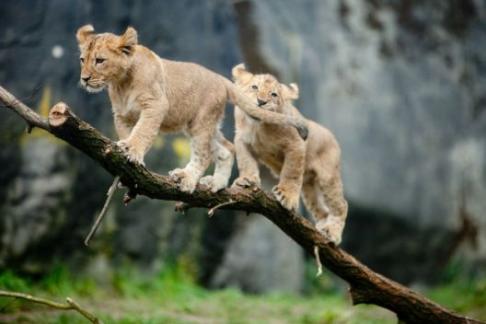
Discover the world of gorillas, elephants, lions, birds and more at a top award-winning zoo. See Humboldt penguins "fly" underwater in a state-of-the-art exhibit. Go eye-to-eye with orangutans in an open forest canopy. Explore Zoomazium’s nature play space. Smell the roses in a glorious Rose Garden. And enjoy squealing Asian small-clawed otters coming in 2013! Minutes from downtown.
PACIFIC SCIENCE CENTER
Pacific Science Center is Washington’s leading institution for fun and engaging learning for children, families and guests of all ages. Explore hundreds of interactive exhibits, wander among fluttering tropical butterflies, touch live marine animals, explore distant galaxies and immerse yourself in a giant-screen IMAX® movie.
Highlights
The Tropical Butterfly House is warm and sunny every day of the year thanks to full-spectrum lighting.
Learn how personal choices can positively affect our health and well-being atProfessor Wellbody's Academy of Health and Wellness, a new 7000-square foot permanent exhibit that presents health as a life-long process of balancing exercise, diet, proper rest and hygiene.
Meet seven robotic dinosaurs of the Mesozoic Era in Dinosaurs: A Journey Through Time.
Learn about new advances in health scientific innovation at The Studio.
CityPASS includes one regular IMAX® movie.
OR
CHIHULY GARDEN AND GLASS
Immerse yourself in a world where curiosity, creativity and color come to life. Throughout the Galleries, ever-changing Garden and signature Glasshouse, you’ll be inspired by artist Dale Chihuly’s innovation and passion. Includes complimentary audio tour (smartphone required).