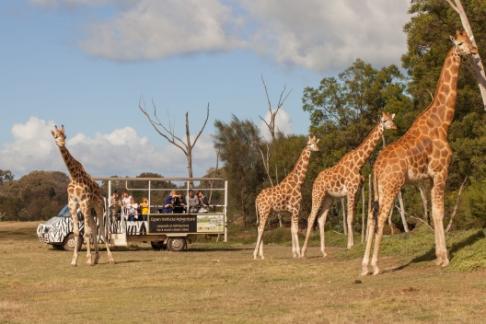
There are keeper talks and feeding times so you can learn more about the animals, get a closer look and your questions answered.
You can also feed the friendly Kangaroos and pose for photos with them in the Kangaroo exhibit.
iFLY welcome flyers from 3 to 103. If you have reasonable health and fitness you can fly. But do check the criteria below before you purchase tickets.
There are a few exceptions:
Flyers must be over 3 years of age.
Participants must weigh less than 300 pounds.
Participants who weigh between 260 and 300 pounds must bring this to the attention of an iFLY representative as additional restrictions and instructor scheduling limitations may apply.
Women who are pregnant should not fly.
Folks with recent back, neck and heart problems should check with a doctor before flying.
iFLY recommends people with prior shoulder dislocations DO NOT FLY!
Click below for a complete list of restrictions:
https://www.iflyworld.com/flight-restrictions-and-requirements/
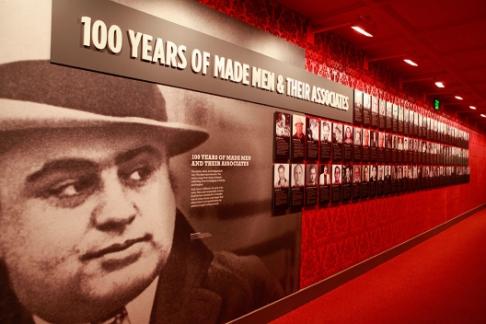
Critically acclaimed, unflinchingly unique, globally respected and beloved by locals, The Mob Museum, the National Museum of Organized Crime and Law Enforcement, in downtown Las Vegas reveals an insider’s look at the events and characters of the continuing battle between the Mob and the law. The Museum offers a provocative, contemporary look at this fascinating topic through high-tech theater presentations, more than 2,000 iconic one-of-a-kind artifacts and interactive exhibits.
In addition, the Museum offers an array of special offerings designed to enhance the group tour experience, including scavenger hunts, Mob Mystery Games, audio tours in seven languages, group guided tours, discounts, downtown walking tours and other unique options.
With visitors from all 50 states and more than 36 countries worldwide, The Mob Museum continues to accumulate awards and accolades from around the globe including being named one of TripAdvisor’s Top 25 U.S. Museums, Best Places to Visit –Travel + Leisure, 10 Places Every American Should See – Huffington Post, and 12 Can’t Miss U.S. Museum Exhibits – USA Today.
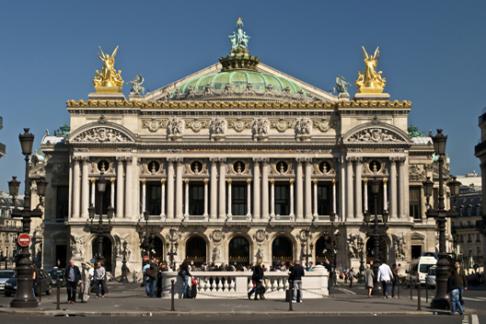
Salida desde la Torre Eiffel, la tripulación le dará la bienvenida a bordo de uno de los tres trimaranes que pertenecen a "Bateaux Parisiens". Unos barcos perfectamente diseñados para descubrir y admirar la riqueza arquitectónica de la ciudad francesa.
Podrá disfrutar de magníficos comentarios acompañados de la música y las letras que evocan diferentes tiempos y lugares de la ciudad, todo desde su audio-guía personal. La excursión acabará en la Torre Eiffel.
Salida desde la Agencia Rivoli, 214 rue de Rivoli
Metro más cercano: Pyramides / Palais Royal (Líneas 1,7 y 14)
Información Ideal para los clientes que visitan París por primera vez Adecuado para familias No hay paradas durante el recorrido