Libre
Soutien
The I-RIDE Trolleys are your ticket to all the excitement and entertainment in the International Drive Resort Area. The I-RIDE Trolleys have two routes. The Main Line Trolley route travels along International Drive from Prime Outlets Orlando to Sea World and then continues to the south International Drive corridor ending at Orlando Premium Outlets. There are 77 convenient Main Line trolley stops arriving approximately every 20 minutes. The Green Line Trolley route is the counterpart to the Main Line Trolley route. It begins at the Major Boulevard business district, travels along Universal Boulevard and then shadows the Main Line Trolley Route on South International Drive. Green Line trolleys arrive approximately every 30 minutes. Highlights Easiest way to travel around the International Drive District Save money on parking fees at the I-Drive Area Theme Parks Free transfers between the Main Line and the Green Line Main Line Trolleys operate every 20 minutes and Green Line every 30 minutes - all day
Get a taste of life on the ocean waves, including the chance to take the ship's wheel and learn how to steer 963 tons of Victorian tea clipper through storms and high seas Learn the story of one of the most famous and magnificent ships in the world Take in epic views of the London skyline. Initially built for the China tea trade and launched in 1869, Cutty Sark’s original wooden planks and iron frames have been meticulously conserved. As part of an ambitious six-year conservation project, the ship was raised over three metres, giving visitors the unique opportunity to stand directly underneath this world wonder and see her elegant lines and ground-breaking design. It has now been developed into an award-winning museum and visitor experience. Located in the UNESCO World Heritage Site of Maritime Greenwich, the National Maritime Museum and the Queen’s House are both located within a short walking distance from Cutty Sark and are free to visit. The Royal Observatory is another must-see attraction when visiting Greenwich; it’s the home of Greenwich Mean Time and the Prime Meridian.
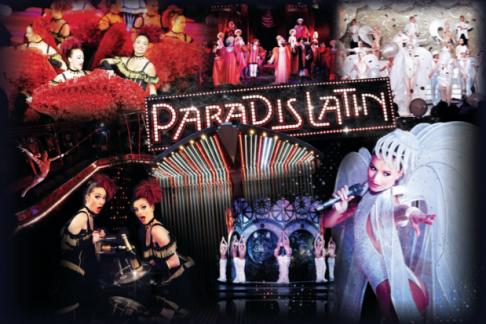
For Valentine's Day if Glamorous! Dare Crazy !! Celebrate love at the most glamorous Cabaret in Paris! 2 Performances for this evening of February 14 : 20:30 & 22:45. 2 Options to choose from : "Crazy Saint Valentin" & "Crazy Exlusive" Crazy Saint Valentin : This offer includes : The show 1/2 bottle of Laurent Perrier rosé champagne (or 2 drinks) A dessert created exclusively for the Crazy Horse Paris by the rising star of the pastry Yann Couvreur. Crazy Exclusive : This offer includes : The show 1/2 bottle of wintage champagne VIP priority access Priority cloakroom service VIP seatling area Petrossian Caviar (12g Egg'xiting per person) A dessert created exclusively for the Crazy Horse Paris by the rising star of the pastry Yann Couvreur. Please note: The 1000 € rate is for 1 to 4 people, please select "1" for quantity if you go to the Crazy Horse between 1 and 4 people.
Restrictions Must be 10 or older with parental consent, 18 or older without consent. 100 lb minimum and 330 lb. weight max. Must sign waiver. Not suitable for pregnant women or people with heart or back problems. No Pickup/Drop-off service available. What to bring Just be ready to get wet! Life jackets are mandatory at all times but are provided on site.
Kew Gardens, is a World Heritage Site located in 121 hectares of stunning vistas with six magnificent glasshouses set in a beautiful landscape beside the River Thames between Richmond and KEW in south-west London. Kew Gardens represents more than 250 years of historical gardens. It is home to a remarkable collection of over 30,000 types of plants from all over the world that range from the decorative to the peculiar. Kew Gardens provide opportunities for public enjoyment and enrichment and the behind-the-scenes scientific work helps ensure a sustainable future for plants and people. In the summer of 2004, Kew's determination to make serious botany great fun for children was demonstrated with the opening of 'Climbers and Creepers'. Bringing a new use to an old cycad house by White Peaks, Climbers and Creepers engages children from around 3-9 years in the pleasures of learning more about plants and their relationships with animals and people. Apart from the sheer beauty and tranquillity of the garden's landscapes Kew offers a wonderful day out for all, whether horticulturally, historically or botanically inclined. Botanical Highlights The dates below are approximate, and flowering can vary by three to four weeks, depending on the weather. Spring: Mid-February - early March: A million-and-a-half crocuses below the Temple of Bellona between Victoria Gate and King William's Temple - one of Kew's most spectacular displays (typically late Feb - early March). Camellias between Victoria Gate and the Shirley Sherwood Gallery of Botanic Art. Spring bedding and spring flowers in the open woodland around the Azalea Garden. Daffodils, forsythia and cherry blossom. Orchids, bromeliads and anthuriums in Kew’s Tropical Extravaganza, an annual display of exotic blooms in the Princess of Wales Conservatory. April - May: Lilacs near Kew Palace and White Peaks. Spring bedding in front of the Palm House. Scillas in the Woodland Garden. Flowering cherries, crab apples, magnolias and tulips throughout the gardens. May - June: Bluebells in the Queen's Cottage Grounds. Lilacs, azaleas, rhododendrons and magnolias, Brentford Gate area. The tiny but beautiful alpine flowers in the Davies Alpine House and the Rock Garden. Himalayan blue poppies and rhododendrons in the Woodland Garden. Native plants in long grass areas. Horse chestnut blossom. Summer: June - July: Summer flowers in the walled Duke's Garden and in the Woodland Garden. Giant water lilies growing rapidly in the Princess of Wales Conservatory and the Waterlily House. The Mediterranean Garden near King William's Temple. The Rose Pergola, the Rose Garden and the Order Beds. The Rock Garden. Tulip trees, opposite the Palm House, Philadelphus near the Pagoda. July - September: Themed summer bedding in front of the Palm House. The Order Beds. Giant water lilies flowering in the Princess of Wales Conservatory. Water lilies flowering in the Aquatic Garden and Waterlily House. The herbasceous borders of the Duke's Garden, fascinating medincinal herbs in the Queen's Garden, Grass Garden, Rose Garden. Hibiscus, hydrangeas and Indian bean trees. Autumn: September - October: Autumn crocus in September in the Woodland Glade - Kew's first burst of autumn colour. Belladonna lilies. Trees in autumn colour. October - November: Last of the autumn colours. Grass Garden. Autumn-flowering crocuses, colchicums and hardy cyclamen. Strawberry trees west of King William's Temple and between the Princess of Wales Conservatory and Rock Garden. Winter: November - December: Fruiting trees and shrubs, winter bark. Winter-flowering cherry. January - February: Snowdrops in the Rock Garden and Conservation Area, crocuses along the Princess Walk. Witch hazels by King William's Temple. Cornelian cherry in the winter border in the Duke's Garden. Duchess border along wall outside the Duke's Garden. Camellias between Victoria Gate and the Shirley Sherwood Gallery of Botanic Art. Clematis cirrhosa on the Rock Garden Wall. Rhododendrons in the Rhododendron Dell and, if the winter is mild, the carmine blooms of Magnolia campbellii might appear early. Shrubs in the Winter Border near the Ice House. The Davies Alpine House. Heathers, hellebores, viburnums and cornelian cherry.
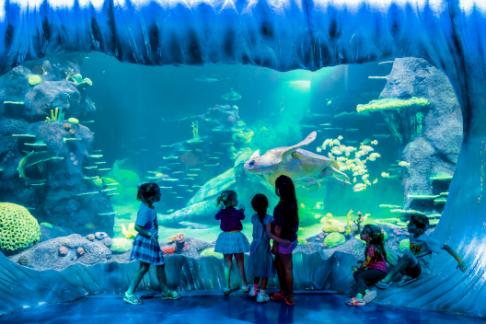
¡Descubre las profundidades! 1 km de viaje dividido en 5 mundos: el Viejo Mundo, el Nuevo Mundo, la Jungla, los Jardines y el Gran Azul . 55 tanques. 8.000 ejemplares de 700 especies. En las que se incluyen tiburones, peces payasos, peces cirujanos, tiburones martillos, peces globos y muchos más... Uno de los tanques de tiburones más profundos en Europa (con 8,5 m de profundidad contiene 3,5 millones de litros de agua salada natural). La mayor muestra de corales vivos de Europa. El único paisaje visto de una vez, uno de los más bonitos y diversos ecosistemas del mundo (un hábitat explorado normalmente solo por buceadores experimentados). Pantallas táctiles interactivas y educativas. Piscinas interactivas táctiles (con estrellas de mar, con erizos de mar y muchos más). Alberga la única exposición dedicada al problema del atún rojo. El área de la Jungla es la jungla de azotea más grande de Europa y recrea fielmente el microclima, la fauna, la flora y las cascadas de la Cuenca del Amazonas. 2 áreas de juego para niños (en el área exterior: el barco pirata, el castillo hinchable y el área de chapoteo. En el interior: zona de juegos blandos) Entretenimiento y diversión para todas las edades: Guías multilingües del océano con amplio conocimiento. Entretenimiento de niños (pinta caras, guerras de globos de agua, mini disco...). Alimentación/Charlas durante el día en español, inglés y alemán. Actividades extra: Barco para ver a los tiburones. Bucea con tiburones. Buceo/ Buceo con tubo con rayas (solo en verano). Nuestros valores: Nuestra filosofía es: conocer para valorar, valorar para proteger. El único centro de recuperación y rehabilitación de Mallorca (área vedada). Información de utilidad: Diversión para todas las edades con independencia del tiempo. Zonas de comida, en los que se incluye el buffet y comida a la carta. Wi-Fi gratuito. A pocos minutos del aeropuerto, la playa, el Centro Comercial Fan Mallorca y Palma. Paradas de transportes públicos justo fuera. Aparcamiento público exterior y subterráneo. Premio de accesibilidad (totalmente accesible para coches capota y sillas de ruedas).