Libre
Soutien


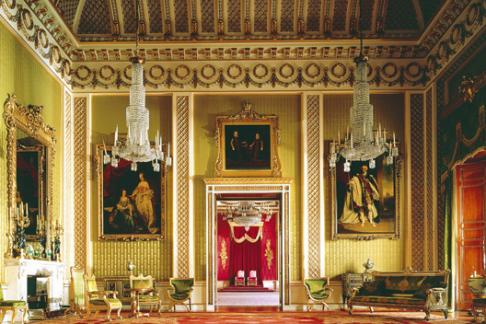
Buckingham Palace State Rooms Buckingham Palace serves as both the office and London residence of Her Majesty The Queen, as well as the administrative headquarters of the Royal Household. It is one of the few working royal palaces remaining in the world today. Today the Buckingham Palace State Rooms are used extensively by Her Majesty The Queen and Members of the Royal Family to receive and entertain their guests on State, ceremonial and official occasions. During August and September when The Queen makes her annual visit to Scotland, the Palace's nineteen state rooms are open to visitors. What there is to see? The Buckingham Palace State Rooms form the heart of the working palace and are lavishly furnished with some of the greatest treasures from the Royal Collection - paintings by Rembrandt, Rubens, Poussin and Canaletto; sculpture by Canova; exquisite examples of Sèvres porcelain; and some of the finest English and French furniture. Prince & Patron: To mark the 70th birthday of His Royal Highness The Prince of Wales this year, visitors to the Summer Opening of the State Rooms at Buckingham Palace will enjoy a special display featuring a number of works of art personally selected by His Royal Highness The Garden Described as a 'walled oasis in the middle of London', the Palace's garden is home to thirty different species of bird and more than 350 different wild flowers, some extremely rare. Visitors end their tour with a walk along the south side of the garden, with splendid views of the west front of the Palace and the famous lake. Multimedia Guide An Multimedia guide is included in the ticket price and is available in English, French, German, Spanish, Italian, and Japanese, Russian and Mandarin. There is also a family Multimedia guide (in English only) and accompanying activity trail, suitable for children 7-11 years. Changing of the Guard The Changing of the Guard ceremony takes place at 11:30 daily from April until the end of July and on alternate days for the rest of the year, weather permitting. The new guards arrive at the forecourt of the Palace at 11:30 from Wellington Barracks. The journey takes about 5 minutes and the soldiers are accompanied by a band. The ceremony is conducted on the Palace forecourt and takes approximately forty minutes to complete. [The Army have not yet released the schedule for July, August or September.] Wheelchair Access If you require wheelchair access or the use of the lift, you should not book with 365 Tickets.com and should pre-book tickets directly with Buckingham Palace. Access booking line: 0303 123 7324 www.royalcollection.org.uk or email [email protected] The Royal Mews What there is to see? One of the finest working stables in existence, the Royal Mews at Buckingham Palace provides a unique insight into the department of the Royal Household that provides transport by road for The Queen and other members of the Royal Family. The Carriage Horses During your visit to the Mews, you will see some of The Queen’s horses that draw the coaches and carriages in the Mews. The Cleveland Bays are used to escort newly appointed High Commissioners and Ambassadors to their audience with The Queen, when they present their formal credentials from their country’s Head of State. You may also see the famous Windsor Greys, so called because they were kept at Windsor during the reign of Queen Victoria and drew the private carriages of the royal family. They are at least 16.1 hands (1.65 metres) high and are chosen for their steady temperament and stamina. Coaches & Livery The Royal Mews houses the royal collection of historic carriages and coaches, which you may see in use during your visit. Among the vehicles on display are the Irish State Coach, in which The Queen travels to the State Opening of Parliament, and the Australian State Coach, which combines traditional craftsmanship with 20th-century technology to provide heating and remote-controlled windows. The most dazzling vehicle of all is the Gold State Coach, which was built for George III in 1762. Weighing almost four tonnes and requiring eight horses to pull it, it has carried every monarch to their coronation since 1821. Visitors to the Royal Mews can also see some of the fine livery worn by The Queen’s coachmen. Apart from a few small details, it remains much the same as it was in Victorian times. Remarkably, some of the tailors used for production of liveries today are the same companies employed during the reign of George III in the 18th century. Multimedia guide is included in the admission price and is available in the following languages:English, French, German, Spanish, Italian, Japanese, Chinese, Russian

Admission to KSCVC includes all of the exhibits, attractions, the IMAX theatre tickets and a very comprehensive bus tour to the Apollo/Saturn V Center. It is easy to spend a full day at KSCVC, particularly if you would like to add on 'Lunch With an Astronaut*' or one of the special interest guided tours. Hotels are plentiful in nearby Titusville or the Cocoa Beach area, just south of Cape Canaveral. *Additional fee, to be paid direct at KSCVC. Orlando Balloon Rides Orlando Balloon Rides is the Premier Balloon Company in Central Florida and is the largest passenger ride operator on the Eastern seaboard of the United States. The well established companies of Blue Water Balloons and Orange Blossom Balloons have merged to form Orlando Balloon Rides. They fly thousands of people a year in balloons specifically designed and engineered for passenger comfort. Their balloons are all 2007 models or newer and have all the latest safety features with you in mind. Orlando Balloons are most proud of their 100%, unblemished safety record. Their reputation has been built over many years and Orlando Balloon Rides is held with great regard not only by the ballooning community but also in the travel and tourist industry. The company holds contracts with more than 80 national and international tour and travel operators as well as many local guest service organizations. These contracts cover many American and Canadian operators, every British Tour Company, the top 7 Japanese Tour Companies and many other European operators. They are the only company in the South East US contracted to fly guests from AAA motor club.
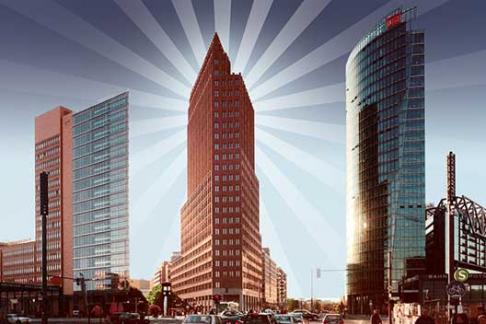
Der Panoramapunkt am Potsdamer Platz – ein Erlebnis für die ganze Familie. Mit dem schnellsten Aufzug Europas geht es in nur 20 Sekunden auf 100 Meter Höhe. Oben erwartet uns ein 360° Blick auf Berlin, das rundumverglaste Panoramacafé und die Open Air Ausstellung „BERLINER BLICKE auf den Potsdamer Platz“ über die bewegte Geschichte des Potsdamer Platzes. Von hier oben hat man einen grandiosen Blicek auf die Highlights der Stadt: Brandenburger Tor, Siegessäule, Fernsehturm – alles scheint zum Greifen nah. Bei einer Tasse Kaffee und einem Stück Kuchen im rundum verglasten Panoramacafé kann man die Eindrücke auf sich wirken lassen. Aussicht, Ausstellung & Café in einem – der PANORAMAPUNKT am Potsdamer Platz.
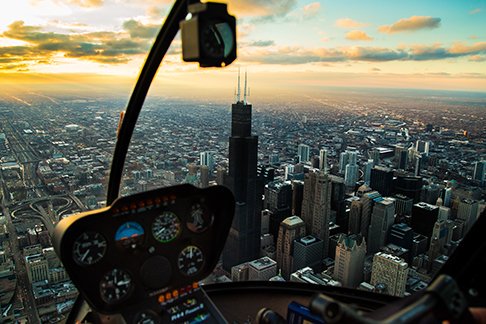
Tour Nocturno en helicóptero Chicago La experiencia tendrá una duración total de 1 hora. Incluye: Check-in Instrucción de seguridad Vuelo de unos 15 - 17 minutos en helicóptero El Customer Experience Center incluye: History exhibit de Chicago Flight simulator Sala con vistas al helipuerto Juegos interactivos Tentempié y refrigerios para comparar El Chicago Helicopter Experience opera con una flota de helicópteros Airbus AStar. La aeronave tiene capacidad para 6 pasajeros a parte del piloto, además de estar equipada con clima. Con esta experiencia disfrutará de unas claras vistas sentado en unos asientos amplios mientras escucha la narración del piloto a través de los auriculares de cancelación de ruido. Todos los tours salen y regresan desde/a: Chicago Helicopter Experience, 2420 South Halsted Street. Aparcamiento gratuito delante del Customer Experience Center. Hay disponible la recogida en hoteles del centro de Chicago por un coste adicional. Términos del Ticket: Peso máximo por pasajero de 113kg. Niños a partir de 3 años. Check-in 30 minutos antes del horario de salida del tour. Los pasajeros que se encuentren bajo los efectos de drogas o alcoholno se les permitirá realizar el tour – no se les devolverá el dinero. Los horarios de los vuelos son orientativos y susceptibles a las condiciones climáticas. En el caso que su vuelo se cancele por las inclemencias del clima, su ticket podrá ser reprogramado o reembolsado por el importe total. Shedd Aquarium Exposiciones incluidas en su entrada: Underwater Beauty - Una exposición especial Nuestro mundo está lleno de maravillas. Celebre con nosotros la increíble belleza viva de nuestros oceanos, lagos y rios en una nueva exposición especial en Shedd Aquarium: Underwater Beauty. Eche un vistazo a la grandiosidad debajo de las olas con 100 especies de todo el mundo juntas en un nuevo y evocador espacio. ¿Qué es la belleza? Deje que le pique la curiosidad mientras observa todas las maneras en las que la belleza se mueve y coexiste. Vea como se impulsan las medusas, como se retuercen las anguilas y como cobra vida un arcoiris de colores con los peces de los arrecifes. Sienta los ritmos, abrace los colores y disfrute de los patros que solo se pueden encontrar bajo el agua. Viva un mundo digno de celbrar - y salvar. AMPHIBIANS! La nueva exposición llamada “Amphibians” va incluida en el precio de la entrada. Verá 40 especies diferentes de ranas y salamandras desde su ciclo de vida hasta sus adaptaciones para vivir en cada ecosistema de la Tierra. Descubra cómo de grande puede llegar a ser un problema para los anfibios – y cómo puede ayudarlos a hacer frente a estos grandes cambios. Waters of the World Viaje a 80 hábitats diferentes. Zambúllase en el océano desde los bosques de algas marinas hasta el fondo del mar. Explore los ecosistemas de Islas y Lagos. Visite grandes y pequeños ríos y aprenda más sobre nuestras aguas en la exhibición de ‘At Home on the Great Lakes’. Encuentre cientos de asombrosos animales, desde ranas diminutas a pulpos gigantescos, así como caimanes, iguanas, medusas y estrellas de mar. Caribbean Reef Haga un recorrido 360º por una comunidad de arrecifes bajo el agua. Siga a las tortugas marinas verdes, contemple desde muy cerca peces loro y tiburones. Amazon Rising Haga un viaje exótico por la Amazonia, hogar de un tercio de todos los seres vivos. Tenga cuidado con las anacondas y pirañas, rayas y caimanes camuflados. Vea como los animales, plantas y personas de la región se adaptan a las crecidas y bajadas anuales del agua. Oceanário Abbott Oceanário Abbot le sumerge en el vibrante ecosistema de las ballenas beluga, los delfines de flanco blanco, las nutrias de mar y los leones de mar. También podrá observar multitud de peces e invertebrados que viven donde los flujos de agua dulce entran en el océano. Use nuestro mapa para descubrir cómo se vinculan los animales entre ellos, a sus hábitats y a nosotros mismos. La Zona de Juego Polar Los niños tienen su propio lugar en el Acuario Shedd, 'La Zona de Juego Polar'. ¿Qué le gustaría ser? ¿Un pingüino deslizante y elegante? ¿Un explorador de aguas profundas? ¿Qué tal las dos cosas? En la Zona de Juego Polar puede disfrazarse de pingüino y fingir ser un pájaro en el Área de Juego Icy Sur. Desde allí puede dirigirse al Área de Juego Icy North para explorar las aguas del ártico en submarino. No se olvide de tocar las coloridas estrellas de mar en las piscinas. En la Zona de Juego Polar los niños aprenderán acerca de los polos opuestos- grande y pequeño, rápido y lento, superficial y profundo- e incluso sobre el norte y el sur, todo esto mientras juegan y se divierten.
![Grand Celebration with Black Canyon River Raft [PBW-5]](/image/products/1/5/15ee842f3ba81.jpg "Grand Celebration with Black Canyon River Raft [PBW-5]")
Languages: Chinese - Mandarin & Cantonese, Dutch, English, French, German, Italian, Japanese, Korean, Portuguese, Spanish Advisories: Vegetarian Meal preference must be requested at least 24 hours prior to departure Swimming is optional in the Colorado River stops December through February, raft portion only operates on Wednesdays and Saturdays Sample Itinerary: Clients are picked up from most major hotels in Las Vegas approximately 1 – 1 ½ hours prior to departure Clients arrive at Las Vegas/ Boulder terminal for check-in. All passengers over the age of 18 must present a government issued photo ID Clients board state of the art Helicopter. Flight time to Grand Canyon West is approximately 35 minutes As the flight nears the Canyon, enjoy spectacular views of the volcanic Black Mountains, Grapevine Mesa and then across the Grand Wash Cliffs, entering the Grand Canyon West Descend approx. 4,000 feet and land on the floor of the Canyon Enjoy time on Canyon floor with champagne picnic meal provided. (Approximately 30 minutes) Board your helicopter for a slightly different scenic route on your return flight to Boulder terminal Meet your Black Canyon Rafting guide at Boulder Terminal for transfer via shuttle to the base of the Hoover Dam Board your Motorized Raft for an approx. 11 mile trip down the Colorado River. (Approx. 2 1/2 hours) Stop at a Private Beach for meal Shuttle Transfers back to Las Vegas Hotel provided by Black Canyon River Adventures Helicopter Flight: Aerial flight over Hoover Dam, Lake Mead, Grand Canyon West Rim and much more! Approximately 35 minutes. Narration (Helicopter): Chinese - Mandarin & Cantonese, Dutch, English, French, German, Italian, Japanese, Korean, Portuguese, & Spanish Helicopter Landing: Exclusive landing sites at Grand Canyon West Rim. Approximately 30 minutes Breakfast: Champagne and breakfast are provided on a picnic table under a Ramada Helicopter Return Flight: Enjoy a different scenic route back to our terminal. Approximately 35 minutes Black Canyon Raft: Transportation will take you to the base of Hoover Dam to begin your float trip Raft Trip: 11 Mile Float Trip. Approx. 2.5 hours Lunch: Provided on the banks of the Colorado River Please Note: Passengers weighing 300lbs (136.36kg / 21.43 stone) or more will be charged a fee for an additional comfort seat. This fee is based on the product and ranges from $50 to $200.
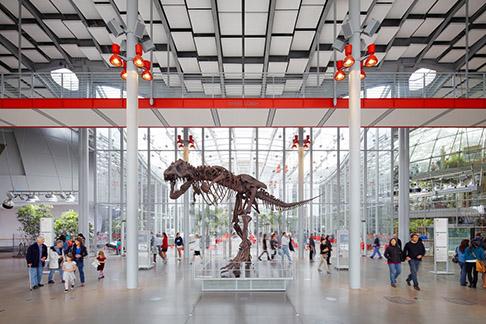
Steinhart Aquarium: Highlights include the Philippine Coral Reef, the California Coast tank, and Twilight Zone: Deep Reefs Revealed. Osher Rainforest: A glass dome houses the four-story living rainforest, where birds and butterflies fly freely among lush tropical trees, plants, and other animals from around the world. Living Roof: Visit our rolling green roof for views of Golden Gate Park and beyond.California wildflowers bloom in spring while dozens of native plants provide habitat for birds, bees, and butterflies year-round. African Penguins: Visit our colony of charismatic South African birds. Join a biologist for penguin feedings at 10:30 am and 3 pm daily. The Swamp: Meet its most famous resident, Claude, an albino American alligator, who shares his home with a trio of prehistoric-looking alligator snapping turtles. Morrison Planetarium: Reserve a seat ticket (free with admission) at the Planetarium kiosk to see our newest show, Expedition Reef.