Libre
Soutien
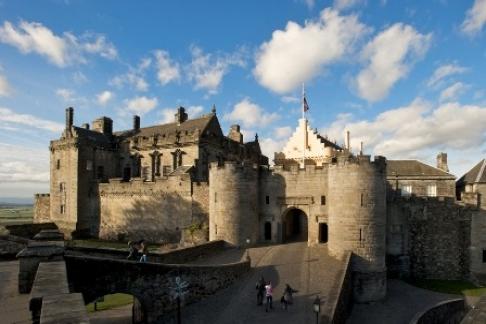
Stirling Castle is a great symbol of Scottish independence & a source of national pride. The Castle's long, turbulent history is associated with great figures from Scotland’s past such as William Wallace & Mary Queen of Scots. The Royal Palace The Palace at Stirling Castle allows visitors to step into the astonishing richness of royal life in the 1500s. James V’s Palace at Stirling is one of the finest and best-preserved Renaissance buildings in Great Britain. Following a major programme of research and re-presentation, it can now be seen by visitors much as it may have looked on completion around 1545. The decoration of the Palace’s six main rooms is overwhelmingly colourful, rich and elaborate. James and his French wife Mary of Guise aimed to present themselves as wealthy, learned and sophisticated. The decorative style belongs to the Renaissance – a great flowering in arts, literature and philosophy that revolutionised Europe in the 1400s and 1500s. Bright colours, expensive fabics and ornate patterns were essential elements. But this was not flamboyance for its own sake. The decorative scheme was filled with messages about power, prosperity and plenty. It was not limited to the interior chambers but also extended to the exterior walls, embellished with hundreds of statues and other stone-carvings. Why not combine your visit to Stirling Castle with other famous attractions and activities in Central, Tayside & Fife such as Discovery Point & RRS Discovery or Loch Lomond Aquarium
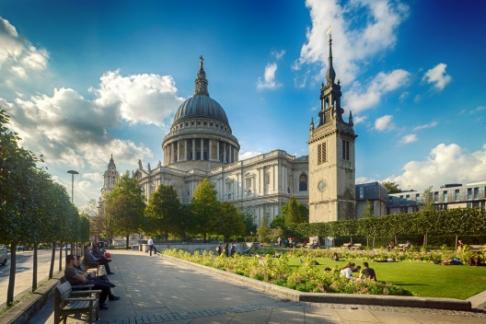
St Paul’s Cathedral, whose dome dominates London’s skyline, is England’s architectural masterpiece and place of national celebration. The cathedral was designed by the famed architect Sir Christopher Wren, after the Great Fire of London in 1666 destroyed its predecessor. The cathedral took 35 years to build from 1675 – 1710, spanning the lives of five monarchs and was the first cathedral to have been built and completed in its architect’s lifetime. St Paul’s Cathedral is where people and events of overwhelming national significance have been celebrated, mourned or commemorated. From state funerals for British heroes such as Sir Winston Churchill, to the Royal Wedding of Prince Charles to Lady Diana Spencer, and National Services of Thanksgiving to celebrate the Silver, Golden and Diamond Jubilee’s of Her Majesty the Queen. Touch-screen multimedia guides in nine languages are included for sightseers, offering up to 90 minutes of audio commentary, videos and imagery for a self guided tour. Tours led by cathedral guides are also offered, usually starting at 10.00, 11.00, 13.00 & 14.00 and last for 90 minutes; visitors should register to join a tour once inside the cathedral. Explore the cathedral floor then visit the Whispering Gallery to test the unique acoustics. Climb further to the Stone and Golden Galleries, which afford breathtaking panoramic views across the city. Descend to the crypt which houses tombs and memorials to famous Britons such as Admiral Lord Nelson, The Duke of Wellington and Wren himself.
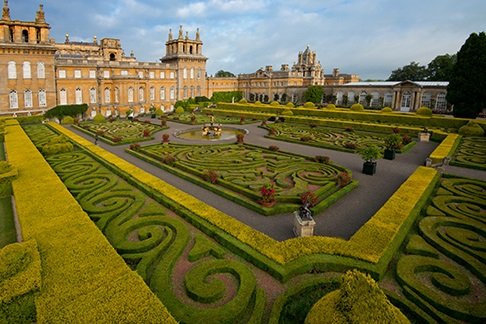
Your 365Tickets Blenheim Palace ticket can either be shown on a mobile device or printed Several eateries serving a wide range from light snacks, to 3 course meals and afternoon teas are available at the Palace Your ticket cannot be exchanged for an annual pass for the Palace Please note tickets are non-refundable
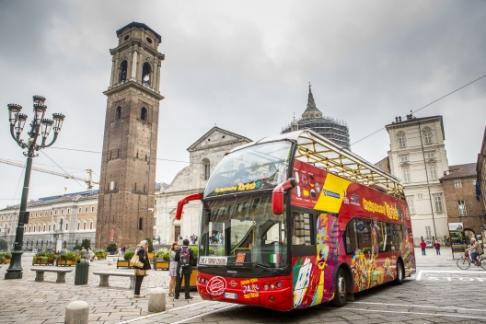
Please note: On occasion, due to events, some stops might not be guaranteed, updated tour stop information can be found at the bus stops or on the online app Line A Piazza Castello Mole Antonellina Villa della Regina Monte dei Cappuccini Borgo Medievale Parco del Valentino Piazza Carlo Felice Duomo Line B Piazza Castello Museo Scienze Naturali Parco del Valentino Museo dell'Automobile Pinacoteca Agnelli-Lingotto-Arco Olimpico Stazione FS Lingotto Stadio Olimpico e Palaolimpico Officine Grandi Riparazioni Museo Pietro Micca Line C Piazza Castello Museo Pietro Micca Allianz Stadium & Juventus Museum La Venaria Reale Castello de La Mandria Porta Palazzo Nuvola Lavazza
Little Train of Paris Montmartre
The Circuit:
Place Blanche
Place du Tertre
Place Constantin Pecqueur
Moulin Rouge
Espace Dali
La Halle et le Marché Saint-Pierre
Basilique du Sacré Coeur
Musée Montmartre
Anvers
Amphithéâtre / Arènes
Le Lapin Agile
Retour Place Blanche
Église Saint-Pierre
Cimetière Saint-Vincent
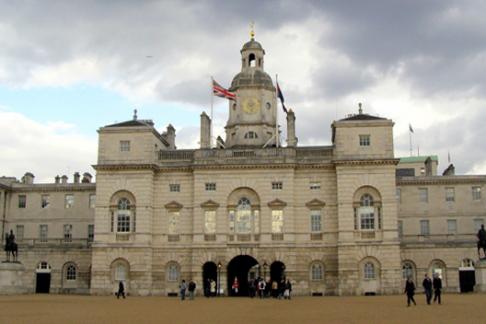
Historic setting: The Household Cavalry Museum sits within Horse Guards in Whitehall, central London, one of the city’s most historic buildings. Dating from 1750, it is still the headquarters of the Household Division, in which the Household Cavalry has performed the Queen’s Life Guard in a daily ceremony that has remained broadly unchanged for over 350 years. The Household Cavalry: The Household Cavalry was formed in 1661 under the direct order of King Charles II and now consists of the two senior regiments of the British Army – The Life Guards and the Blues and Royals. We have two roles: as a mounted regiment (on horseback), we guard Her Majesty The Queen on ceremonial occasions in London and across the UK and are a key part of the Royal pageantry; as an operational regiment we serve around the world in armoured fighting vehicles. We currently have units deployed on active service in Iraq and Afghanistan. Our fighting capacity is matched by our strategic role in international peace keeping and humanitarian operations. Collections: Over the centuries we have amassed an outstanding collection of rare and unique treasures from ceremonial uniforms, royal standards and gallantry awards to musical instruments, horse furniture and silverware by Fabergé. Each exhibit has its own compelling story to tell and many are on display for the very first time. You can see two silver kettledrums given to the regiment in 1831 by William IV; the pistol ball that wounded Sir Robert Hill at Waterloo and the cork leg which belonged to the first Marquess of Anglesy, who, as the Earl of Uxbridge, lost his real one at Waterloo. Modern additions to the collection include Jacky Charlton’s football cap – he did his national service with the regiment and Sefton’s bridle – the horse that was injured in the 1982 Hyde Park bombings. Much of the collection has resulted from the close association that has existed between the Household Cavalry and Royalty. We have, after all, protected successive kings and queens from rebels, rioters and assassins for nearly 350 years. Working Stable Block: Visitors can gain a unique behind-the-scenes look at our working stable block. All the horses here are on duty and at different times of the day you will see something going on - you might see the horses being brought in, groomed, fed and watered, their hooves oiled and shoes checked, their saddles adjusted ready to go on guard or just see the stables themselves being cleaned. Both our horses and riders go through a rigorous and demanding training. In the Museum's many interactive and multimedia presentations, you will hear first hand accounts of what this training is like and the techniques our soldiers use to master their horses and complete the gruelling preparations for regimental inspections.