Private Guided Tours from Salou
In the south of the Costa Dorada we find the Delta del Ebro with its amazing Natural Park where you can enjoy a private guided tour. Take a boat ride to the Island of Buda, the largest island in Catalonia & Delta´s Ecologic Reserve which is home to 300 species of aquatic birds.
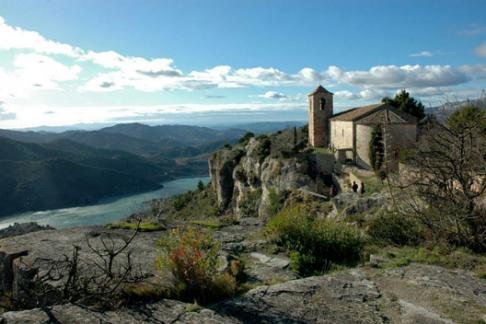
Discover the beautiful Catalan countryside and continue your tour to Montroig ( the red mountain) where you can visit the hermitage XIII and learn the fascinating history of the village. A 4-5 hour guided tour with panoramic views and plenty of wonderful photo opportunities.
Empire State Building Observatory
Advice for Visitors:
Observatory is open until 2am every night for spectacular skyline and nighttime views.
Enjoy live music on most Thursday - Saturday evenings after 9pm.
Check the Time to the Top* at www.empirestatebuilding.com or by calling (877) NYC-VIEW (692-8439). Average general admission ticket travel time from upon entering security, through our two exhibits, to the 86th floor Observation Deck. Updated every 2 minutes.
Best time to visit: For more space and less wait, visit between 8AM and 10AM or after 10PM.
Visitors with tickets purchased online will go with their voucher directly to the ticket window after the security check.
The Observatory is wheelchair accessible.
Accessibility: The Empire State Building is fully ADA compliant. We have handicapped restrooms on the 86th Floor Observatory and also have lowered viewing walls and binoculars. Service dogs are allowed throughout the building. Motorized and non-motorized wheelchairs are permitted. The 86th Floor has ramps to make getting around easier and lowered viewing walls so that visitors in chairs can still take in the view.
The Empire State Building Observatory requires hardcopy (printed) versions of the tickets you receive from us to enter. If you are unable to print your tickets prior to your arrival, and you have the confirmation email with the link to your tickets on your mobile device, you can usually have them printed for a small fee at the Fedex Kinko's located on the Lobby level of the Empire State Building near the corner of W. 33rd St and 5th Avenue (350 5th Ave, New York, NY 10118). Top Deck: 102nd Floor - For an additional charge.
Gulliver's Gate
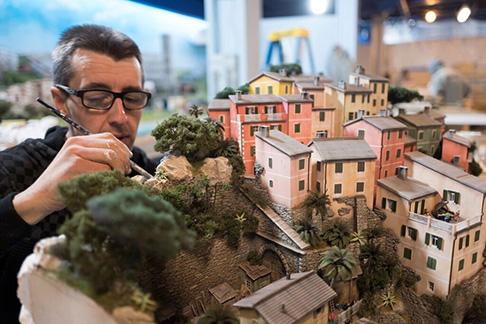
Duration: There’s a lot you’ll want to see at Gulliver’s Gate and we want your guests to take their time enjoying our miniatures. A typical visit is 1.5 to 2 hours but you are welcome to stay as long as you’d like!
Inclusions: Your ticket includes general admission, a lanyard & key that will allow you to interact with our models (i.e. turn on lights, move cars within our models, etc.), and a complimentary map.
Guests have 6 months from the date of purchase to redeem their ticket.
Private Viewing of Stonehenge
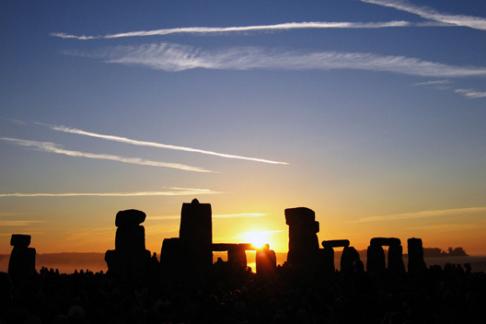
Most visitors to Stonehenge are not allowed direct access to the stones. On this special day trip from London, you'll be invited to enter the stone circle itself, and stand beside the mysterious rocks towering above you. Your guide will unlock the secrets of this ancient World Heritage site. Enjoy the peace, away from the crowds, as you experience Stonehenge at its atmospheric best at sunrise.
Oxford
The colleges in Oxford date back to the 13th century and among its famous students were Bill Clinton, C.S. Lewis, J.R.R. Tolkien and Lewis Carroll. We take you on a fascinating walking tour, which includes visiting the Great Hall in Christ Church, where many scenes from Harry Potter were filmed. We'll also see the Bodleian Library and the picture perfect college courtyards for which Oxford is famous.
Windsor Castle
Our day continues with a visit to Windsor Castle, the largest and oldest occupied Castle in the world, and home of the Royal Family for 900 years. Its proud, strong walls dominate the delightful town that has grown around the castle over the years. You'll see the lavishly decorated State Apartments containing priceless furniture in glorious colours and St George's Chapel, home to the 14th Century Order of the Royal Garter, our senior chivalric order.
Visitors can still enjoy the extensive Castle Precincts, St George's Chapel (except on Sundays and certain other dates - please see below), Queen Mary's Dolls' House and the exhibition in the Drawings Gallery.
St. George's Chapel is open daily but closed to visitors on Sundays as services are held throughout the day.
As a working royal palace, the Castle is used frequently by The Queen for State ceremonies and official entertaining and opening arrangements may change with no notice.
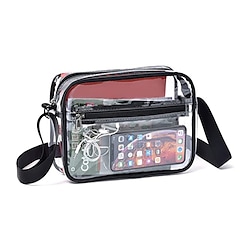
Catégorie:Sac de Voyage; Fonction Première:Usage quotidien,Portable; Matériau:PVC; Fonction:Durable,Voyage,Rangement de Voyage,Portable,Etanche; date d'inscription:05/05/2022