Libre
Soutien

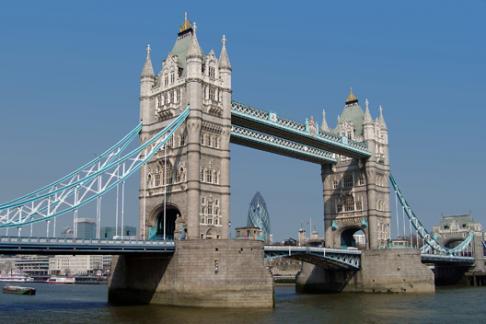
TOWER BRIDGE Over 100 years ago, the Victorians built a bridge that has become one of London's most famous landmarks. High level walkways were built to allow people to cross the Thames whilst the Bridge was lifted to let tall ships sail past. Today these Walkways act as viewing galleries, giving visitors the most spectacular views across an ever changing London skyline. Visitors enter Tower Bridge Exhibition via the North Tower. They are then transported by lift to the top of the Tower (47 metres above the Thames) where they have a unique opportunity to see the Bridge’s steel skeleton from within. A short film explains the history and provenance of the Bridge and then there is the chance to admire the spectacular views – from both covered Walkways. On the east Walkway there are fantastic views of the Docklands and from the west Walkway you can see the new GLA building, the Tower of London, St Paul’s, the city, the Pool of London and Big Ben and the London Eye in the distance. Interactive computerised kiosks and graphic panels explain the significance of the views to visitors, as well as providing more information on the history and building of the Bridge. The interactive material and graphic panels are written in seven languages and an audio loop for the hard of hearing is also in place for the video show. There is another film to view in the South Tower before descending for the short walk to the historical Engine Rooms, included in your ticket price. Victorian Engine Rooms These provide a fascinating insight into late 19th century engineering. Installed for the completion of Tower Bridge in 1894, these huge, and beautifully maintained, coal-driven engines were used to power the thousands of bascule Bridge lifts performed until 1976. Although lifts are now operated by electricity, the original steam engines are still in place. The Engine Rooms give visitors a chance to experiment with models demonstrating the technology behind the Bridge. There are also some amazing photographs of the Bridge throughout its lifetime – including a revealing picture of the heavy steel structure of the Bridge as the stone cladding was installed over it.
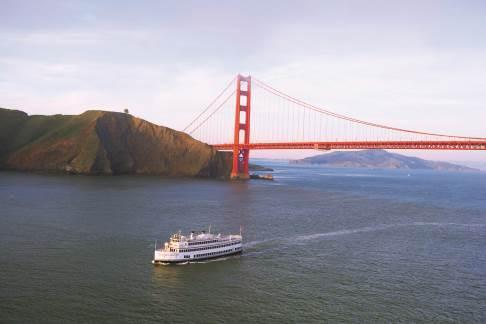
There’s a lot in life to celebrate. So welcome aboard! Whatever the occasion, you’ll enjoy gentle bay breezes, glittering waves, and the dramatic San Francisco skyline. Whether it’s your birthday, anniversary, or you finally found a great babysitter, join us for gracious hospitality and stunning views. Set against twinkling city lights and legendary vistas, experience includes an elegant four-course dinner, live music and dancing around the San Francisco Bay. DINNER MENU FIRST COURSE California Hornblower Wedge Salad maytag blue cheese dressing, smoked bacon, chopped eggs, tomatoes, scallions SECOND COURSE Fisherman’s Wharf Clam Chowder potatoes, celery, onions, fresh thyme, smoked bacon APPETIZER ENHANCEMENTS Charcuterie Plate - $18.00 chef’s selection of cured meat, house made terrine, flat bread crisps, cornichons, whole grain mustard Cowgirl Creamery Cheese Display - $16.00 assorted local cheeses, rustic flat breads, dried apricots, figs Seared Ahi Tuna - $18.00 wasabi aioli, wakame seaweed salad, crispy wonton chips ENTRÉE OPTIONS Grilled Salmon Filet soy ginger glaze, barley risotto roasted vegetables Mary’s Organic Pan Roasted Breast of Chicken roasted red bell pepper coulis, cannellini bean ragout bloomfield spinach Porcini Crusted Petit Filet Mignon porcini sauce, parmesan truffle mashed potatoes watsonville late harvest vegetables Balsamic Infused Portobello Mushroom asiago parmesan polenta cake grilled vegetables DESSERT OPTIONS Fresh Fruit Tart shortbread tart shell, vanilla pastry cream, apricot glaze Chocolate Truffle Cake raspberry sauce, fresh berries Chef de Cuisine Willie Fuentes Due to the seasonality of local fresh ingredients, all menus are subject to change.
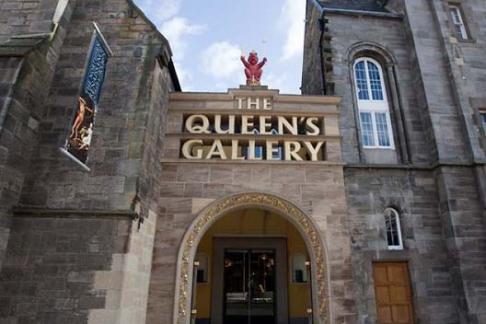
The Queen's Gallery was built in the shell of the former Holyrood Free Church and Duchess of Gordon’s School at the entrance to the Palace of Holyroodhouse. The buildings were constructed in the 1840s with funds from the Duchess of Gordon, but fell into disuse in the late 19th century. Benjamin Tindall Architects were appointed project architects for the new Queen’s Gallery in October 1999. Their central visual theme was a celebration of The Queen’s Golden Jubilee, expressed through a series of arches and screens that lead visitors from the Gallery entrance to the exhibition spaces beyond. Their design complements the original 19th-century architecture, elements of which were incorporated into the new spaces. Unsympathetic later internal alterations were removed, and a new exposed steel and concrete floor inserted to reflect the original ‘gallery’ of the Church. A new stone arched entrance was created at the centre of the Horse Wynd frontage, opposite the new Scottish Parliament building. The use of a stone archway, with a courtyard beyond, is a traditional entrance device in Scottish architecture. The main walling is of Catcastle stone, the dressed work and lettering is of Stainton stone and the base is of Kenmay granite. ‘THE QUEEN’S GALLERY’ lettering above the entrance is the work of John Neilson, a calligrapher and carver. The letters were cut from single pieces of stone. Above sits Scotland’s heraldic lion, designed by Jill Watson. The lion sedant is based on a small red lion that sits at the feet of Mary, Queen of Scots on her tomb in Westminster Abbey. (The Palace of Holyroodhouse was once home to Mary, Queen of Scots.) The monumental entrance doors of oak have gilded bronze hinges by Jill Watson. Continuing the heraldic theme, the main hinges are decorated with the Scottish lion and unicorn. The beasts are set against the adjacent urban scene of Edinburgh’s Royal Mile and the rural scene of Arthur’s Seat and Salisbury Crags. The upper hinges are made as golden boughs of flowering native trees – chestnut and laburnum, oak, rowan and hawthorn. The stone archway is decorated with a carved and gilded garland of Scottish flowers, including daisies and thistles, created by Graciela Ainsworth, an Edinburgh-based sculptor, carver and conservator. Over the old entrance to the former church is a stained-glass window by Christian Shaw. The design shows a perspective drawing of the interior of a gallery. At night, the shape of the archway is reflected by the glass lights by Keiko Mukaide set into the paving. The artist has given the tiles a water flow pattern, mirroring the stream of visitors walking in and out of the Gallery. Inside, the reception desk by Hamid van Koten is made from curved pieces of Scottish elm with kilned glass and patinated copper. The pendant lights were designed and made in Edinburgh by Ingrid Phillips. Dividing the reception from the main Gallery area is a patterned glass screen by Jacqueline Poncelet. The screen’s bronze handles by Jill Watson incorporate figures looking at art in a gallery. The dramatic central stair of native timber leads to the Gallery spaces above. The complex shape was designed by the architects with Charles Taylor Woodwork, who were responsible for the construction. Lights set into the first floor illuminate the curved balustrading.
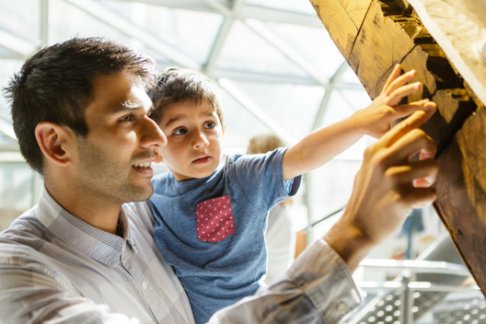
Get a taste of life on the ocean waves, including the chance to take the ship's wheel and learn how to steer 963 tons of Victorian tea clipper through storms and high seas Learn the story of one of the most famous and magnificent ships in the world Take in epic views of the London skyline. Initially built for the China tea trade and launched in 1869, Cutty Sark’s original wooden planks and iron frames have been meticulously conserved. As part of an ambitious six-year conservation project, the ship was raised over three metres, giving visitors the unique opportunity to stand directly underneath this world wonder and see her elegant lines and ground-breaking design. It has now been developed into an award-winning museum and visitor experience. Located in the UNESCO World Heritage Site of Maritime Greenwich, the National Maritime Museum and the Queen’s House are both located within a short walking distance from Cutty Sark and are free to visit. The Royal Observatory is another must-see attraction when visiting Greenwich; it’s the home of Greenwich Mean Time and the Prime Meridian.
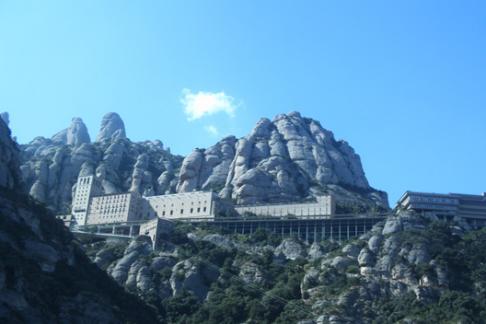
Montserrat Start your full day trip from Barcelona in a comfortable Bus to the mountain of Montserrat which rises majestically to 4,051 feet (1,236 meter) above sea level. The rocks of Montserrat were formed by natural cement of sand during the centuries. The wind and rain shaped the mountain with strange and varied forms. The popular imagination has seen human or animal shapes in some of these peaks, giving those names and inventing legends to explain their fantastic origins. This trip to Montserrat will give you the opportunity to enjoy the wonderful and breathtaking views of the Montserrat Mountain, one of nature’s special creations. You will visit the Royal Basilica of Montserrat, which holds the famous 12th century Romanesque carving of Verge Moreneta (the Black Madonna). You will be able to see this famous statue of the Black Madonna from a distance. The Benedict sanctuary of Montserrat has been founded in 1025 and provides a mystical backdrop for the Virgin of Montserrat, the patron saint of Catalonia who is enshrined in the monastery's Royal Basilica. The little monastery soon began to receive pilgrims and visitors who contributed to the spread of stories of miracles and wonders performed by the Virgin. Today, Montserrat has been modernized to continue attending to the needs to pilgrims, one thousand years after it was originally founded. You will be given some free time to visit the audio visual exhibition about the history and creation of Montserrat. And taste typical liquors of Montserrat. The Escolania of Montserrat is one of the oldest boys choirs in Europe (XIV Century). On some days the children's choir sings in the monastery and so you may be fortunate enough to catch one of their delightful performances. Their timeframe is subjected to the school calendar and special events of the choir and monastery. Our tour to Montserrat will finish in our office at Balmes 5, downtown, where the second part of the tour departs. Artistic Barcelona* Barcelona is known as the capital of Modernism and the place where the famous architect Antoni Gaudí worked and lived. Gaudi, one of the greatest innovators of his time, has left behind numerous treasures for the discerning tourist to discover in Barcelona. This Artistic Tour of Barcelona starts at the Julia Travel Office (Balmes 5), we will take you to the Sagrada Familia (Holy Family) Basilica, Gaudi's unfinished masterpiece which is Barcelona's most famous landmark. The guide will take you on a walking tour of the exterior of the Sagrada Familia, to admire the richly and symbolically decorated facades, where vaults reach up to seventy meters. Next you will discover Gaudi's bizarre Park Güell which has been declared a UNESCO World Heritage Site. Be careful, it's easy to get lost in the whimsical design of this bizarre but compelling public park with a perfect integration of the architectural elements in nature. Our tour continues to Passeig de Gràcia to see Gaudi's famous apartment buildings like Casa Mila “La Pedrera”, Casa Batlló and others modernist buildings. Please Note: Departure at 03:30PM. Check in at 03:15PM in Julià Travel Office, c/Balmes 5 *From 1ST of November to 31st of March we will visit the Park Güell before than Sagrada Familia.
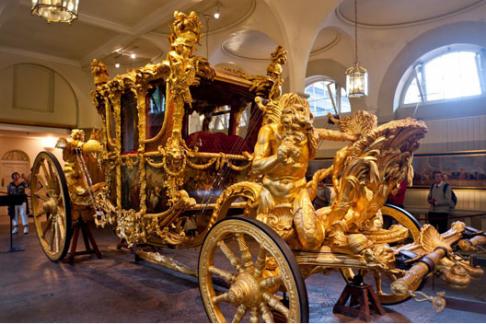
What there is to see: The Royal Mews is an important branch of the Lord Chamberlain's Office and provides road transport for The Queen and members of the Royal Family by both horse-drawn carriage and motor car. It is also one of the finest working stables still in existence, responsible for the training of the Windsor Greys and Cleveland Bays, the horses that pull the royal carriages. State vehicles are housed and maintained at the Royal Mews. They include the carriages used for royal and State occasions, such as State Visits, weddings and the State Opening of Parliament. Carriages from the Royal Mews are also used on roughly 50 occasions each year to convey newly appointed High Commissioners and Ambassadors from their official residence to Buckingham Palace to present their credentials to The Queen. Since 1843 the daily messenger Brougham has set out from the Royal Mews to collect and deliver post between Buckingham Palace and St James's Palace. The most dazzling of all coaches housed in the Royal Mews is the Gold State Coach, which has been used at every coronation since that of George IV in 1821 Multimedia guide is included in the admission price and is available in the following languages: English, French, German, Spanish, Italian, Japanese, Chinese, Russian Guided tours in English are available at intervals throughout the day. Guidebooks are available in English. wheelchair access number- 0303 123 7324 Outdated Royal Mews closures. Please direct readers to the Royal Collection Trust website's closures list to ensure they get up-to-date closure dates. Use the following copy:As a working royal residence, the site is subject to closure or partial closure at short notice, please check Royal Collection Trust's website for the latest closure dates: https://www.royalcollection.org.uk/travel-trade-and-groups/tour-planning