Gratis
Apoyo

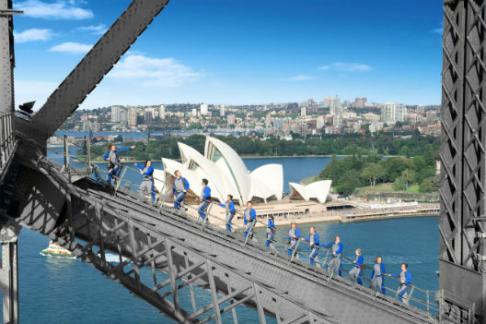
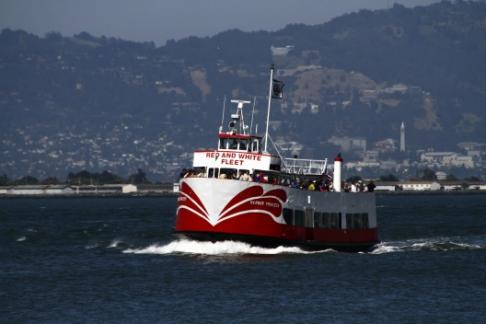
Monterey Carmel Tour Enjoy a sightseeing bus tour to Monterey and Carmel. This area in California has one of the most breathtaking coastlines in the world. The route south on Highway 1 through the beach town of Santa Cruz features one spectacular view after another such as the Monterey with time to visit the aquarium Scheduled stops on the tour include Steinbeck's Cannery Row in Monterey, the gallery and restaurant district of Carmel-by-the-Sea, and various vistas along the 17-Mile Drive including Pebble Beach Golf Course and the Lone Cypress. The tour returns through Silicon Valley, the high tech capital of the world. This tour also includes a 1 hour San Francisco Bay Golden Gate Bay Cruise On this San Francisco Golden Gate tour, you’ll discover this city’s colorful history and world famous landmarks through personal headphone audio in 12 languages. During the Golden Gate Bridge cruises, you may experience frequent wildlife encounters that include seagulls, pelicans and sea lions. At times, you may see even harbor porpoises and whales. So be alert! Departing in the heart of Historic Fisherman’s Wharf, at Pier 43 ½, sail past the San Francisco skyline and view the lively neighborhood of North Beach, the famous swimming clubs of Aquatic Park, the historic vessels at Hyde Street Pier, the San Francisco Maritime National Park, and numerous other exciting sights. As you head west towards the Golden Gate Bridge, cruise along Fort Mason and the Marina District which was devastated in the 1989 earthquake. Next, enjoy views of Crissy Field and the lush hillsides of the Presidio—both former army installations—that are now part of the Golden Gate National Recreation Area. Don’t miss incredible photo opportunities when sailing directly under the massive 4,200-foot span of the 746-foot tall San Francisco Golden Gate Bridge. As you steam back into the Bay, travel past the wildlife reserves of the Marin Headlands and the legendary town of Sausalito, once home to the 1960s’ flower generation. With Angel Island State Park to your left, slowly cruise around the infamous Island of Alcatraz. On your way back to Fisherman’s Wharf, see the San Francisco-Oakland Bay Bridge, and Coit Tower in the distance. After a full hour of exciting sights on Red and White Fleet’s Golden Gate Bridge boat tours, the barking sea lions at Pier 39 welcome you back to Pier 43 ½. Here, you can visit two National Historic Landmarks, the WWII submarine USS Pampanito and merchant vessel USS Jeremiah O'Brien.

The London Dungeon brings 1000 years of history to life in 19 live shows, including 2 thrilling rides, all in 90 minutes. Guests will be guided through plague-ridden streets, witness Guy Fawkes’ dramatic plot to blow up Parliament, travel back to Jack the Ripper’s bleak Whitechapel and hear the latest gossip and share a drink with the locals in The Tavern. Come with us and meet London’s most infamous villains, rogues and rascals. Head-off on the all new Boat Ride to Traitor’s Gate and encounter Henry VIII. Remember, remember the 5th November in a new show with Guy Fawkes – it’s sure to be explosive. Have a short, back and sides courtesy of Sweeney Todd and ‘meat’ Mrs Lovett. She’s got fingers in a few pies. Fancy an evening stroll? Jack the Ripper would love to take you out in Old Whitechapel.

Highlights Al Ain National Museum Camel race track Jebel Hafeet & Hot springs Camel market Ticket Includes Hotel pick up & drop off Entrance Fee Lunch Buffet with beverages (Soft) Professional Guide Ticket Excludes Personal expenses Tips

VIP All Access Pass VIP status gives you access to board Gray Line New York, City Sights NY and Big Pink! Short on time during your visit to NYC or simply want priority treatment? CitySights NY has just given you both with a special VIP Tour Access ticket that lets you bypass the line at some of our busiest stops. This means you get to board the bus first and choose where you want to sit before everyone else boarding at that stop. Downtown Tour Plus The three most visited sites in New York City are all located in the area referred to in local terms as “downtown”. Uptown Treasures & Harlem Tour Plus Where can you find a green oasis that occupies 20% of the island of Manhattan or the headquarters of the largest media conglomerate or places with the alluring names of “Millionaires Row and Museum Mile? All of these places and more can be found, discovered and enjoyed on City Sights’ Uptown Treasures + Harlem tour. Night Tour Please Note: Escorted bus Tour (not Hop-on Hop-off). New York's only double-decker night tour where you enter historic Brooklyn for a photo opportunity and breathtaking views of the glittering necklace of the Manhattan Skyline. Enjoy nighttime views and ambiance of Times Square, Chinatown, Empire State Building , Greenwich Village, SoHo, Little Italy, Manhattan Bridge, Brooklyn Bridge and Lower East Side. Brooklyn Tour Plus Hop aboard a double-decker bus for CitySights NY’s Brooklyn Tour, a hop on/hop off journey through the city’s most populated borough. A choice of two museums: The New York Historical Society: The New York Historical Society, one of America’s pre-eminent cultural institutions, is dedicated to fostering research, presenting history and art exhibitions, and public programs that reveal the dynamism of history and its influence on the world of today. Founded in 1804, the New-York Historical is the oldest museum in New York City. Museum of the City of New York: The Museum of the City of New York embraces the past, present, and future of New York City and celebrates the city’s cultural diversity through rich collections, a lively schedule of exhibitions and an array of programs for adults and children. The Museum is dedicated to fostering an understanding of New York’s evolution from its origins as a settlement of a few hundred Europeans. Hop-on, Hop-off Sightseeing Ferry Enjoy the fun & flexibility of hop-on, hop-off by sea! Learn about NYC with guided tour commentary while traveling from stop to stop. This service operates with four stops: 1. Pier 78, West 38th Street and Hudson River; 2. 199 Vesey Street Pier (lower Manhattan) - connection to Downtown Tour at stop #11, Park Row 3. Pier 11 (Wall Street and South Street) - connection to Downtown Tour at stop #13, South Street Seaport 4. DUMBO (Fulton Street and Furman Street) - connection to Brooklyn Tour at stop #2, Brooklyn Promenade What You'll See: Statue of Liberty Ellis Island Battery Park Governors Island Brooklyn Bridge Manhattan Bridge Williamsburg Bridge South Street Seaport Chrysler Building The Gray Line New York Eat and Play Card Take a bite out of Big Apple vacation expenses with New York’s only discount card providing vacation savings on virtually everything – restaurants, lounges, attractions, retailers, tours, Broadway shows, and more. With exclusive access to % discounts of 10% – 50% off the entire bill, your savings potential is unlimited and unmatched. You can easily save over $100 every day and double your money back with just one use. Valid for up to 4 people and for 30 days (from first use), The Card is accepted at over 100 popular places across Manhattan. Statue of Liberty This is a ticket for the FERRY ONLY, this does not include admission inside the Statue of Liberty. Security: Additional time should be allowed for security clearance at Battery Park. * Last ferry to Liberty Island sails at 5:30pm * Last ferry from Liberty Island is 6:15pm * Ellis Island is closed until further notice * Last Downtown tour bus from Battery Park/Statue of liberty departs at 6:00pm Ferry ticket to the Statue of Liberty National Monument on Liberty Island and the Ellis Island Immigration Museum on Ellis Island. You can then choose between Empire State Building or Top of the Rock Empire State Building Observatory Tickets New York's famous Empire State Building, a New York City Landmark and a National Historic Landmark, soars more than a quarter of a mile into the atmosphere above the heart of Manhattan. The Observatory located on the 86th floor, 1,050 feet (320 meters) above the city's bustling streets, offers panoramic views from within a glass enclosed pavilion and from the surrounding open-air promenade. Top of the Rock Observatory Tickets Discover Top of the Rock™ Observation Deck and experience breathtaking views of New York City. Step on one of their glass ceiling sky shuttles for a thrilling ride to the Top, where you will find three stories of spectacular views, including a stunning, open air, 360-degree view from the 70th Floor outdoor deck. Get your tickets now to view New York City from the Top of the Rock Observation Deck at Rockefeller Center. Now Offered in 11 Languages! Listen along in English, French, German, Spanish, Italian, Portuguese, Japanese, Korean, Mandarin, Russian and Hebrew
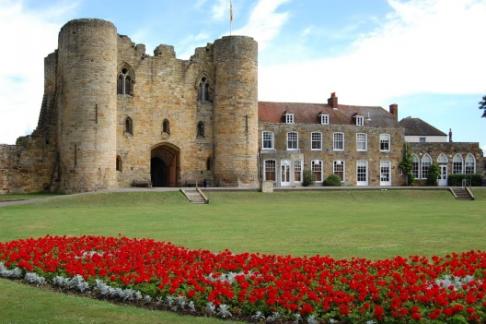
Amongst the most famous historic attractions in our care are:
Mysterious Stonehenge and Hadrian’s Wall - both World Heritage Sites.
The Home of Charles Darwin, Down House, just south of London.
1066 Battle of Hastings Abbey and Battlefield, East Sussex
Dover Castle, Kent
Tintagel Castle, Cornwall - legendary birthplace of King Arthur.
Audley End House & Gardens, near Cambridge - a superb Jacobean mansion set in beautiful gardens.
Apsley House - also known as Number 1 London
Magnificent Osborne House, Queen Victoria’s beloved seaside retreat.
Customer Benefits:
Savings
Save money with this great value pass by visiting as few as THREE attractions. So even if it is used for a weekend break - it can still save money! The more the pass is used - the greater the savings.
What is an Overseas Visitor Pass?
The Overseas Visitor Pass is a one-price entrance ticket to all English Heritage properties valid for either 9 or 16 consecutive days.
What is included?
FREE entry to over 100 stately homes, castles, abbeys, Roman and prehistoric remains. You can visit all attractions directly managed by English Heritage free of charge. Find out more about our historic attractions.
FREE or reduced price entry to hundreds of action-packed events.
FREE overseas visitor guidebook.
I can’t possibly visit 100 attractions in 9 days. Why should I buy an Overseas Visitor Pass?
We don’t expect you to visit that many attractions. The Overseas Visitor Pass is incredible value for money and you can start making savings from as few as two or three visits!
How much will I save?
You will realise what great value the pass is as soon as you make your first visit. For example, the price of the guidebook plus the combined normal adult admission price to Dover Castle; 1066 Battle of Hastings, Abbey and Battlefield; Walmer Castle & Gardens; and the Home of Charles Darwin, Down House - just four attractions in the South East - is £54.65. With your 9 day Overseas Visitor Pass you save £29.65.
Remember, you can visit as many attractions as you like. The more you visit, the more you save!
If I stay for less than 9 days, does it still make sense to buy the Pass?
Yes, the Pass pays for itself after approximately three visits so you can enjoy savings from the first or second day of your stay!
Who can buy the Pass?
The Pass is available for overseas visitors only. Visitors may be asked for proof of overseas residency when visiting a property.
The Pass is available to groups and individuals. Groups should contact the first property they are planning to visit with a list of names of the group's members, so that we can prepare the passcards and make sure we have enough guidebooks on site.
Do children need their own Pass?
The family pass is valid for two adults and up to four other family members under the age of 19 living at the same address. Other than the family pass, there is no reduced child pass. Children under the age of five are admitted free of charge to our attractions, and children up to the age of 15 qualify for reduced entrance fees.
For how long is the Overseas Visitor Pass valid?
The English Heritage Overseas Visitor Pass is valid for a period of either 9 or 16 consecutive days.
How is my Overseas Visitor Pass activated?
The Pass will be validated at the first property you visit and it can then be used for the following consecutive 9 or 16 days.
When are English Heritage properties open?
Many properties open daily from 10.00 in summer. Nearly all are closed 24-26 December and 1 January. All sites have reduced opening times during the winter months (October to March).
The exact opening times are listed on our website as well as in the Members’ and Visitors’ Handbook, which is included free of charge with the Pass.
What documents do I need to take with me to collect the Overseas Visitor Pass?
You need to print out your booking confirmation (voucher), and take this with the credit card used to make the booking.
You must also have proof of identity with you in the form of a passport, identity card or driver’s license to authenticate that you are the rightful owner of the voucher and as proof of overseas residency. This can be a photocopy.
What happens if my Pass is lost or stolen?
The Pass is not transferable, refundable or replaceable when lost or stolen.

Departing Edinburgh, you travel north-west for your first stop of the day at magnificent Stirling Castle*, one of Scotland’s most historically significant castles, sitting high on volcanic rock and offering wonderful views of the surrounding landscape. You will have time to visit the castle and learn of the exploits of key historic figures including William Wallace, Robert the Bruce and Mary Queen of Scots. With lots of interesting things to see and do here, the Stirling Castle experience is a must for any visitor to Scotland. You then continue on, past medieval Doune Castle, to the pretty town of Callander, situated on the banks of the River Teith in Stirlingshire, where you will have a chance to stop to enjoy some lunch. From here we enter The Trossachs National Park, also known as “The Highlands in miniature” for its abundance of lochs, mountains and forests, and famous as the homeland of legendary outlaw, Rob Roy MacGregor. You will then reach the bonnie banks of Loch Lomond, one of the prettiest and largest lochs in the whole of Scotland. Here you can enjoy an hour long cruise* taking in spectacular views of the loch’s many islands and the surrounding mountains. Alternatively, take a stroll through the picturesque loch-side conservation village of Luss, with its quaint houses, cafes and stunning views across the loch’s western shoreline. You will then travel back to Edinburgh. *OPTIONAL EXTRA. Daily | ALL YEAR Departs: 09:15 Returns: 18:30