Gratis
Apoyo


Along with the Folies-Bergère and the Moulin-Rouge, the Crazy Horse (est. 1951) is one of the Holy Trinity of Parisian cabarets. Beginning April 2017, Crazy Horse Paris invites Parisians and lovers of Paris to escape their everyday worries in order to freely immerse themselves in 65 years of dazzling creation and “crazyness” packed into 90 enchanting minutes of its new show Totally Crazy. Under the artistic direction of Andrée Deissenberg, Chief Creative Officer of Crazy Horse Paris, and directed by Stéphane Jarny ("The Voice", "Saturday Night Fever"), Totally Crazy unites in one dazzling show the most iconic acts of the famous Parisian cabaret, tweaked with a dash of impertinence, with must-see performances by the legendary creators that have revolutionized the world-renown Parisian stage over these past ten years. Be a VIP! The VIP Box include: An exceptional service for an unforgettable & exclusive experience Priority access & cloakroom - VIP seating area 1/2 bottle of champagne Millésimé" or 2 drinks per person Petrossian caviar (12 g Egg' Xiting) Assortment of 5 canapes per person 1 souvenir photo per box ( not available between the 16th to 30th of march 2016) Why not combine your visit to Crazy Horse VIP Box with other famous attractions and activities in Paris such as Big Bus Tour or Chic Outlet Shopping
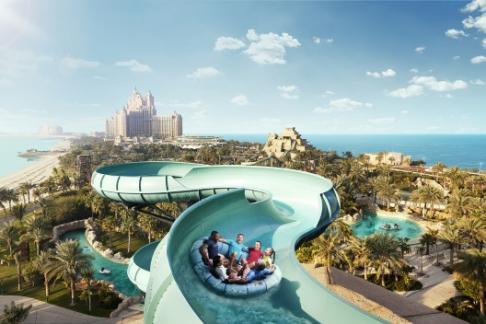
Schwimmwesten sind kostenlos und beim Handtuchverleih erhältlich. Schwimmwesten sind für alle Schwimmer unter 1,27 m erforderlich und für schwache oder unerfahrene Schwimmer jeden Alters empfohlen. Alle Schwimmer unter 1,21 m sollten nicht ohne einem verantwortlichen Erwachsenen im Wasser sein.
Betrunkene Gäste erhalten keinen Zugang zum Aquaventure Water Park.
Kinder sollten zu jeder Zeit von einem verantwortlichen Erwachsenen beaufsichtigt werden. Rettungsschwimmer sind für die Sicherheit aller Gäste anwesend, bieten jedoch keinen Ersatz für die ständige Beaufsichtigung der Kinder und anderer Personen.
Brillen und Schmuck sollten vor dem Nutzen des Parks abgelegt werden werden.
Aquaventure-Attraktionen werden nicht für werdende Mütter, Personen mit Nacken-, Rücken-, Gelenks- oder Herzproblemen, Übergewicht oder körperlich einschränkenden Bedingungen empfohlen. Gäste mit Verletzungen (Abgüsse, Bandagen usw.) oder ansteckenden Krankheiten können die Attraktionen nicht nutzen.
Schwimmwindeln für Babys und Kleinkinder müssen in Pools getragen werden und sind in allen Läden im Park erhältlich.
Bitte tragen Sie stets geeignete Badebekleidung. Unangemessene Badebekleidung umfasst unter anderem Folgendes:
Riemen
Unterwäsche für sich
Straßenkleidung
Kleidung mit Nieten, Schnallen oder sichtbarem Metall
Lange, locker sitzende Kleidung
Alle Kleidungsstücke, die von Atlantis Management als unangebracht angesehen werden
Wir bitten Aquaventure-Gäste die kulturelle Empfindlichkeiten, die sich auf diesen Teil der Welt beziehen, zu beobachten und zu respektieren.
Es ist Besuchern nicht gestattet, Nahrungsmittel oder Getränke, Glaswaren oder Alkohol in Aquaventure mitzunehmen. Aquaventure behält sich das Recht vor, alle Taschen auf solche Gegenstände zu überprüfen.
![Gray Line CitySightSeeing NY - Freestyle New York VIP 72 hour Pass + 3 options [FSNBCVIP]](/image/products/1/f/1f213ade8c4eb.jpg "Gray Line CitySightSeeing NY - Freestyle New York VIP 72 hour Pass + 3 options [FSNBCVIP]")
Gray Line CitySightSeeing NY - Freestyle New York includes all around town tour 72 hours (Downtown Tour, Uptown Tour, Brooklyn Tour, the Night Tour, Hop-on, Hop-off Sightseeing Ferry, choice of the New York Historical Society Museum or Museum of the City of New York and value-added Eat and Play Card. Enjoy this brand-new addition to the Gray Line CitySightseeing NY experience: a special VIP Tour Access ticket that lets you skip the line at some of our busiest stops and board the bus first for some of our most popular excursions. You can enjoy this premium experience on our Super New York Tour. Plus a choice of any (3) options* Attractions NEW! One World Observatory Empire State Building Observatory Madame Tussauds All Access Pass Ripley's Believe It or Not (Includes Impossible LaserRace) Top of the Rock Observation Deck Body Worlds: Pulse The Exhibition The Discovery Of King Tut Exhibit Saturday Night Live - The Exhibition Star Wars and the Power of Costume Exhibition Tours Lincoln Center Tour The Radio City Stage Door Tour Rockefeller Center Tour Madison Square Garden All Access tour Central Park Horse and Carriage (Minimum of 4 people per carriage. Can be redeemed at 56 West 56th Street. No reservations required) Central Park Guided Walking Tour Central Park Bike Rental Central Park Guided Bike Tour Museums American Museum of Natural History The Museum of Modern Art (MoMA) Cloisters Museum Guggenheim Museum Metropolitan Museum of Art Intrepid Sea-Air-Space Museum Museum of the City of New York El Museo Del Barrio 9/11 Tribute Center New York Historical Society Brooklyn Museum/Botanical Garden Whitney Museum of American Art Ground Zero Museum Workshop: 100 Images & Artifacts Tour Dining Lunch at Dave and Buster's -234 W. 42nd St., 3rd Floor Lunch at Grotta Azzurra (Little Italy) Lunch at Bella Napoli (Near the Empire State Building) Lunch or Dinner at Copper Chimney Indian Restaurant (Near the Empire State Building) Lunch or Dinner at Bill's Bar and Burger (Downtown - 85 West Street btw. Albany St. & Carlisle St.) Lunch or Dinner at Potbelly Sandwich Shop (All locations throughout Manhattan and Brooklyn) Breakfast or Lunch at Applebee's 42nd Street & 50th Street $25 towards lunch or dinner at Planet Hollywood $25 towards lunch or dinner at Buca di Beppo Lunch or dinner at Senor Frogs Times Square. Transportation Go Airlink Airport Shuttle Share Ride (For departure transfers only. Reservations required. Guests must call 877 599-8200 to reserve) * choice of options is subject to change without notice. You can make your choices at the Gray Line CitySightseeing NY Visitor center when exchanging vouchers for tickets. Hop-On, Hop-Off Double-Decker Tickets are valid for 72 Hours from time the ticket is issued at our visitor's center. Freestyle Universal Coupons are valid as indicated on ticket stub. Downtown Tour Plus The three most visited sites in New York City are all located in the area referred to in local terms as “downtown”. Uptown Treasures & Harlem Tour Plus Where can you find a green oasis that occupies 20% of the island of Manhattan or the headquarters of the largest media conglomerate or places with the alluring names of “Millionaires Row and Museum Mile? All of these places and more can be found, discovered and enjoyed on City Sights’ Uptown Treasures + Harlem tour. Night Tour Please Note: Escorted bus Tour (not Hop-on Hop-off). New York's only double-decker night tour where you enter historic Brooklyn for a photo opportunity and breathtaking views of the glittering necklace of the Manhattan Skyline. Enjoy nighttime views and ambiance of Times Square, Chinatown, Empire State Building , Greenwich Village, SoHo, Little Italy, Manhattan Bridge, Brooklyn Bridge and Lower East Side. Brooklyn Tour Plus Hop aboard a double-decker bus for CitySights NY’s Brooklyn Tour, a hop on/hop off journey through the city’s most populated borough. Museum of the City of New York Free Admission! The Museum of the City of New York embraces the past, present, and future of New York City and celebrates the city's cultural diversity. Hop-on, Hop-off Sightseeing Ferry Enjoy the fun & flexibility of hop-on, hop-off by sea! Learn about NYC with guided tour commentary while traveling from stop to stop. This service operates with four stops: 1. Pier 78, West 38th Street and Hudson River; 2. 199 Vesey Street Pier (lower Manhattan) - connection to Downtown Tour at stop #11, Park Row 3. Pier 11 (Wall Street and South Street) - connection to Downtown Tour at stop #13, South Street Seaport 4. DUMBO (Fulton Street and Furman Street) - connection to Brooklyn Tour at stop #2, Brooklyn Promenade What You'll See: Statue of Liberty Ellis Island Battery Park Governors Island Brooklyn Bridge Manhattan Bridge Williamsburg Bridge South Street Seaport Chrysler Building *Ticket valid for the date purchased or date redeemed. The Gray Line New York Eat and Play Card Take a bite out of Big Apple vacation expenses with New York’s only discount card providing vacation savings on virtually everything – restaurants, lounges, attractions, retailers, tours, Broadway shows, and more. With exclusive access to % discounts of 10% – 50% off the entire bill, your savings potential is unlimited and unmatched. You can easily save over $100 every day and double your money back with just one use. Valid for up to 4 people and for 30 days (from first use), The Card is accepted at over 100 popular places across Manhattan. All Around Town Tour Now Offered in 11 Languages!* Listen along in English, French, German, Spanish, Italian, Portuguese, Japanese, Korean, Mandarin, Russian and Hebrew.
![Gray Line CitySightseeing NY - Brooklyn Tour - 24 Hour Pass [BT]](/image/products/d/6/d66a6ef37e4eb.jpg "Gray Line CitySightseeing NY - Brooklyn Tour - 24 Hour Pass [BT]")
Brooklyn Tour Hop aboard a double-decker bus for Gray Line CitySightseeing NY’s Brooklyn Tour, a hop on/hop off journey through the city’s most populated borough. Many people who visit the city never set foot outside of Manhattan. But that would mean you’d miss some wonderful treasures so close by. And this newly expanded tour includes many wonders, allowing you to get off at any stop and grab a bite or see the sites in person. You’ll start in downtown Manhattan, crossing the Manhattan Bridge into Brooklyn, where you’ll see the first parkway for cars ever built in the U.S., the majesty of Grand Army Plaza, the Brooklyn Botanical Garden and Brooklyn Museum (a Beaux-Arts building with a vast art and Egyptian antiquities collection), along with the graceful mansions, intriguing shops and restaurants and a wide array of cultures. Your licensed guide will also take you past the gloriously designed Prospect Park with its zoo and the Brooklyn Public Library. And of course, you’ll see the spectacular Brooklyn Bridge. Tours Now Offered in 11 Languages! Now, Gray Line CitySightseeing NY is giving you even more flexibility in enjoying their tours by offering multilingual audio tracks in 11 different languages on all of the popular hop on/hop off bus tours. You can experience the journey in English, French, German, Spanish, Italian, Portuguese, Japanese, Korean, Mandarin, Russian and Hebrew. Hop on Hop off double-decker tickets valid for 24 hours from the time you arrive in NYC and exchange your confirmation voucher for a boarding ticket.
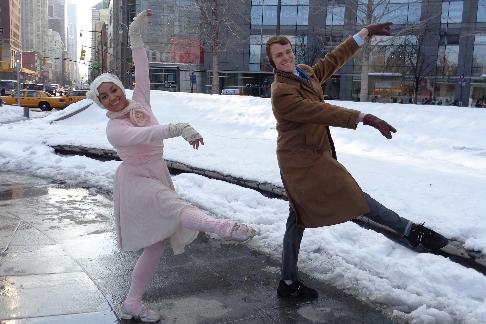
Sit back and enjoy THE RIDE’s incredible street performances against the backdrop of some of New York City’s most iconic landmarks including Times Square, Columbus Circle, the Chrysler Building, Grand Central Terminal and Bryant Park. You’ll explore the city in a completely new way through our floor-to-ceiling glass windows and stadium style seating! You will delight in pop-up presentations along the 4.2-mile route through Midtown and Times Square by THE RIDE’stalented ensemble of actors, singers, dancers, and instrumentalists. THE RIDE is one of the best ways to tour New York City and whether you’re new to the city or a long-time native, you’ll find New York City eternally fresh aboard THE RIDE. Our performers blend with the street life to become a part of THE RIDE, showing guests an experience they cannot get anywhere else! You won’t be able to tell where the New York City streets begin and the show ends! Great for holidays, birthday parties, special occasions, family reunions, Sweet 16’s, Bar and Bat MItzvahs, schools and camps, scout program, senior groups, corporate outings, team building, incentive trips, date nights, or just a fun day with family and friends, our 5-7 street performances make THE RIDE the best choice for your next event! Important Information: THE RIDE is 75 minutes long, unless otherwise pre-determined. THE RIDE is for children ages 6 and up. Children under 6 years of age will not be permitted on the bus. Food and drink are prohibited on THE RIDE. There is no restroom on the bus. Please make sure to use the restroom before boarding There is no access to a restroom during THE RIDE. All patrons must arrive no later than 15 minutes before the scheduled performance time. Patrons that arrived after THE RIDE has started will not be permitted to board THE RIDE. THE RIDE is not wheelchair accessible and you will have to ascend stairs to enter.
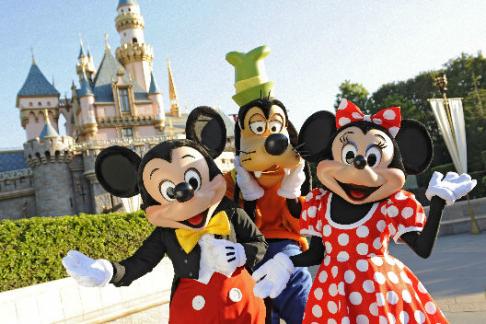
Disneyland Park
Un reino mágico a la espera de ser descubierto
Explore las exuberantes junglas
Conozca a las princesas de los cuentos de hadas
Navegue por los mares con piratas
Viaje por el cielo estrellado
Disneyland Park es el primer parque temático abierto por el propio Walt Disney en 1955 entre gran fanfarria. Emitido en directo en la televisión de los Estados Unidos, fue visto por más de la mitad de la población de ese país. Desde entonces, sucesivas generaciones de todo el mundo han visitado "el lugar más feliz de la Tierra" donde los sueños de hacen realidad.
Con 8 zonas temáticas encontrará mucho por hacer y ver. Explore:
Main Street U.S.A.
Fantasyland
Tomorrowland
Frontierland
Mickey's Toontown
Adventureland
Critter Country
New Orleans Square
Disney California Adventure Park
Aquí, en 7 zonas llenas de imaginación, los personajes de Disney y Pixar están esperando su llegada. Cuentos fantásticos se hacen realidad a través de entretenimiento espectacular, atracciones y cenas temáticas. Visite:
Buena Vista Street
Cars Land
Paradise Pier
Grizzly Peak
Pacific Wharf
"a bug's land"
Hollywood Land
Los días radiantes son seguidos por encantadoras tardes en Disney California Adventure Park - un destino lleno de diversión para niños de todas las edades.