Gratis
Apoyo


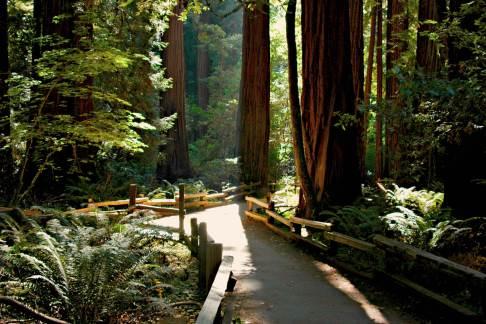
The tour begins with a pick-up from your hotel. After a quick stop to pick up picnic supplies for lunch (price not included; pre-order options available) from a local organic deli and market, you’ll head north across the Golden Gate Bridge. You will be immediately rewarded with sweeping views of the San Francisco Bay: Alcatraz Island, the city skyline, and the vast expanse of the Pacific Ocean are just a few of the picturesque vistas from this remarkable bridge. Next, we’ll wind our way through the coastal mountains of the Marin Headlands and past Mt. Tamalpais (the highest point in the North Bay region), leaving the rush of the city behind and setting the pace for a relaxing day out in the country. Once in Sonoma County, dairy farms and vineyards provide an inspiring introduction to the rolling hills and beautiful valleys that have supplied the world with fantastic wines for over 60 years. Your professional guide will give you details about the region, wine, and the day's itinerary so that you can truly appreciate your experience. The first stop will be the Benziger Family Winery & Biodynamic Vineyard, where you will enjoy a close-up look at the vineyards, fermentation facility, and crush pad on a comfortable tram tour. You’ll also have a chance to walk through their barrel caves! The tour is approximately 45 minutes long, and includes a special tasting of Benziger's biodynamic and other award-winning wines. After your tasting, enjoy your picnic lunch (included: see menu for pre-order options) in a quiet spot at one of the local wineries, surrounded by views of the beautiful countryside and vineyards. In the afternoon, you will head over to famed Napa County for more wine tasting in Oakville, Yountville, or in the town of Napa. The landscape of rolling hills laced with rows of wine grapes is impressive and will provide a romantic backdrop for memorable photographs. On the return trip, you’ll make one more photo stop above the Golden Gate Bridge - a must-do if you've never witnessed the awe-inspiring view of San Francisco from the Marin Headlands! At the end of the tour you will return to your San Francisco accommodations (around 6pm). **note: To best suit the needs of our partner wineries and our guests, it is sometimes necessary to slightly alter the itinerary of the tour. In the wintertime there is less daylight and some tasting rooms may have shorter open-hours. Your group may also make a detour to Muir Woods National Monument. If this is not an original item in your itinerary, please be aware that your entrance fee will be covered and you are welcome to enjoy the cafe and have a delicious warm breakfast or a cup of coffee in lieu of exploring the woods. Highlights: Golden Gate Bridge Marin Headlands 45 min Benziger Winery Tram Tour Napa AND Sonoma Counties Lunch INCLUDED! Excellent wine varietals for all tastes and preferences Inclusions: Hotel pick-up and drop-off Narrated guided tour Benziger Winery Tram Tour ($20 retail value) Organic, local picnic lunch (choice of turkey, ham, roast beef, or vegetarian sandwich) Wine tasting at 4-5 unique wineries (some tasting fees may apply; proper ID required for tasting) Lunch Options: Turkey with whole wheat bread, mayo, mustard, tomato, lettuce, pickle, onion comes with: pasta salad, piece of fruit, & cookie or brownie Roast Beef with whole wheat bread, mayo, mustard, tomato, lettuce, pickle, onion comes with: potato salad, piece of fruit, & cookie or brownie Ham with whole wheat bread, mayo, mustard, tomato, lettuce, pickle, onio n comes with: potato salad, piece of fruit, & cookie or brownie Vegetarian with whole wheat bread, mayo, mustard, tomato, lettuce, pickle, onion, olives, sprouts, pepperoncini, cucumber comes with: coleslaw, piece of fruit, & cookie or brownie
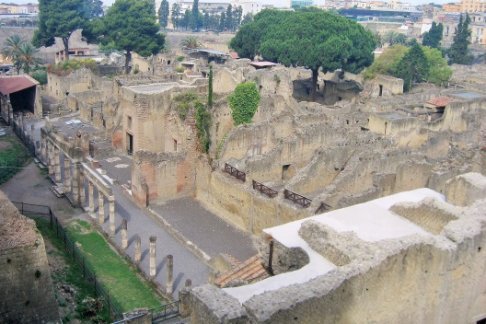
Highlights Explore a UNESCO World Heritage Site to two sister cities: Pompeii and Herculaneum on this tour from Naples. Learn and walk around the fascinating ancient ruins of Pompeii. Wonder around Herculaneum, an ancient Roman town better preserved than Pompeii. This tour provides a great representation of what life was like in the first century. Taste delicious regional cuisine on your way to the sites with lunch prices included . Roundtrip transfers between Naples, Pompeii, Herculaneum and back in a comfortable coach Ticket Includes Coach transfers to and from Naples aboard a coach Services of a tour leader/tour assistant Lunch (excluding beverages) Ticket Excludes Pompeii Entrance Tickets Herculaneum Entrance Tickets Food and Drinks (apart from lunch)
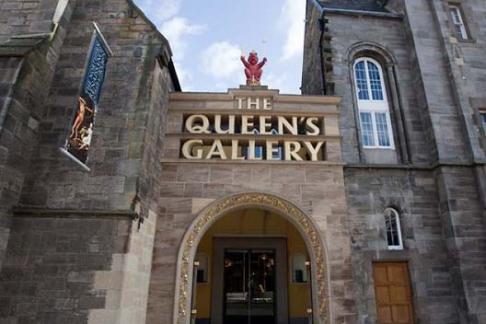
The Queen's Gallery was built in the shell of the former Holyrood Free Church and Duchess of Gordon’s School at the entrance to the Palace of Holyroodhouse. The buildings were constructed in the 1840s with funds from the Duchess of Gordon, but fell into disuse in the late 19th century. Benjamin Tindall Architects were appointed project architects for the new Queen’s Gallery in October 1999. Their central visual theme was a celebration of The Queen’s Golden Jubilee, expressed through a series of arches and screens that lead visitors from the Gallery entrance to the exhibition spaces beyond. Their design complements the original 19th-century architecture, elements of which were incorporated into the new spaces. Unsympathetic later internal alterations were removed, and a new exposed steel and concrete floor inserted to reflect the original ‘gallery’ of the Church. A new stone arched entrance was created at the centre of the Horse Wynd frontage, opposite the new Scottish Parliament building. The use of a stone archway, with a courtyard beyond, is a traditional entrance device in Scottish architecture. The main walling is of Catcastle stone, the dressed work and lettering is of Stainton stone and the base is of Kenmay granite. ‘THE QUEEN’S GALLERY’ lettering above the entrance is the work of John Neilson, a calligrapher and carver. The letters were cut from single pieces of stone. Above sits Scotland’s heraldic lion, designed by Jill Watson. The lion sedant is based on a small red lion that sits at the feet of Mary, Queen of Scots on her tomb in Westminster Abbey. (The Palace of Holyroodhouse was once home to Mary, Queen of Scots.) The monumental entrance doors of oak have gilded bronze hinges by Jill Watson. Continuing the heraldic theme, the main hinges are decorated with the Scottish lion and unicorn. The beasts are set against the adjacent urban scene of Edinburgh’s Royal Mile and the rural scene of Arthur’s Seat and Salisbury Crags. The upper hinges are made as golden boughs of flowering native trees – chestnut and laburnum, oak, rowan and hawthorn. The stone archway is decorated with a carved and gilded garland of Scottish flowers, including daisies and thistles, created by Graciela Ainsworth, an Edinburgh-based sculptor, carver and conservator. Over the old entrance to the former church is a stained-glass window by Christian Shaw. The design shows a perspective drawing of the interior of a gallery. At night, the shape of the archway is reflected by the glass lights by Keiko Mukaide set into the paving. The artist has given the tiles a water flow pattern, mirroring the stream of visitors walking in and out of the Gallery. Inside, the reception desk by Hamid van Koten is made from curved pieces of Scottish elm with kilned glass and patinated copper. The pendant lights were designed and made in Edinburgh by Ingrid Phillips. Dividing the reception from the main Gallery area is a patterned glass screen by Jacqueline Poncelet. The screen’s bronze handles by Jill Watson incorporate figures looking at art in a gallery. The dramatic central stair of native timber leads to the Gallery spaces above. The complex shape was designed by the architects with Charles Taylor Woodwork, who were responsible for the construction. Lights set into the first floor illuminate the curved balustrading.
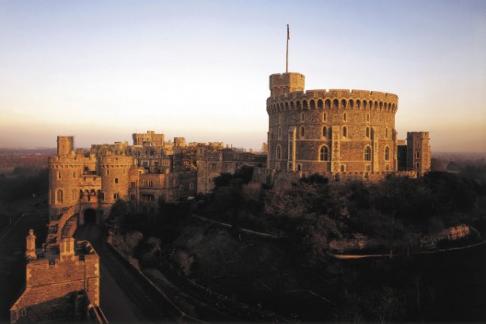
Windsor Castle, the largest and oldest occupied castle in the world, is one of the official residences of Her Majesty The Queen. The Castle's dramatic site encapsulates 900 years of British history. It covers an area of 26 acres and contains, as well as a royal palace, a magnificent chapel and the homes and workplaces of a large number of people. What there is to see: The magnificent State Apartments are furnished with some of the finest works of art from the Royal Collection, including paintings by Rembrandt, Rubens, Canaletto, Gainsborough and the famous triple portrait of Charles I by Sir Anthony van Dyck. In 1992 fire destroyed or damaged more than 100 rooms at the Castle. By good fortune the rooms worst affected were empty at the time, and as a result, few of the Castle's artistic treasures were destroyed. The highly acclaimed restoration work, completed in 1997, is a testament to the extraordinary skills of some of the finest craftsmen in Europe. From October to March visitors can also enjoy George IV's private apartments (the Semi-State Rooms), among the most richly decorated interiors in the Castle. St George's Chapel is one of the finest examples of Gothic architecture in England. It is the spiritual home of the Order of the Garter, the senior order of British Chivalry established in 1348 by Edward III. Within the chapel are the tombs of ten sovereigns, including Henry VIII and his third wife Jane Seymour, and Charles I. Among the highlights of a visit to Windsor is Queen Mary's Dolls' House, the most famous dolls' house in the world. The Drawings Gallery shows changing exhibitions of material from the Royal Library at Windsor Castle. The special display below is shown alongside a selection of treasures from the Royal Library. Photographer Credits: Image 1: Photographer: Mark Fiennes, Royal Collection Trust / © Her Majesty Queen Elizabeth II 2013 Image 2: Photographer: Dennis Gilbert, Royal Collection Trust / © Her Majesty Queen Elizabeth II 2013 Image 3: Photographer: Ian Jones, Royal Collection Trust / © Her Majesty Queen Elizabeth II 2013 Image 4: Photographer: John Freeman, Royal Collection Trust / © Her Majesty Queen Elizabeth II 2013 Hampton Court Palace Hampton Court Palace has provided a luxurious retreat for many of Britain's most famous Kings and Queens. Henry VIII was so inspired by it that he spent three of his honeymoons here. And visitors continue to escape to Britain's greatest palace to experience its history, splendour and stunning scale. Discover what it was really like to live and work at Hampton Court Palace. Take a fascinating journey through 500 years of royal history. Marvel at the impressive architecture and opulent interiors of the State Apartments and see the vast Tudor Kitchens in full swing. Enjoy the breathtaking Great Hall and Chapel Royal, and see how Sir Christopher Wren transformed the palace to rival Versailles. Take time to appreciate one of the finest collections of Renaissance paintings in Europe, and listen to tales of intrigue at the royal court from expert guides dressed in full historical costume. Or enjoy an audio tour, available in 9 languages: English, French, German, Spanish, Italian, Dutch, Russian, Korean and Japanese. They can be collected from the Information Centre in Clock Court. And that's before you've even begun to explore the stunning riverside gardens where you'll find the famous Maze and one of the world's oldest vines. ‘Top Ten’ things to see and do at Hampton Court. These sights are 'unmissable' Access to these sights is included in your admission ticket, unless otherwise stated. Henry VIII's Great Hall The Great Hall is England’s greatest medieval hall and one of Britain’s oldest theatres. William Shakespeare’s company performed there in 1603-4. Young Henry VIII exhibition Meet the 'pin-up' prince, before he became fat old Henry VIII, at our Young Henry VIII exhibition (included in your admission ticket). The exhibition includes paintings and interactive displays. The world famous Maze Test yourself and get enjoyably lost in 'the most famous Maze in the history of the world'. Entry is included in your ‘All Palace and Gardens’ admission ticket. A 'Maze only' entry is also available. Tudor kitchens Built to feed the Court of Henry VIII, the kitchens were expected to provide meals for 600 people twice a day. See the kitchens today and experience the sights and smells of a real Tudor kitchen! Beautiful gardens Wander through over 60 acres of beautifully maintained and internationally celebrated gardens at Hampton Court Palace. Entry is included in your ‘All Palace and Gardens’ admission ticket. Henry VIII: Heads and Hearts Join Henry for his wedding celebrations and see surprising portraits and personal objects of his wives. Family fun activities We have a wide range of activities and tours to entertain families. Choose from family trails, our world-famous maze, costumed guided tours, live Tudor cookery and much much more. The Chapel Royal This beautiful chapel has been in continuous use for over 450 years. Visitors are welcome to attend religious services at The Chapel Royal. Tiltyard café - kids' meal deal! History makes you hungry! At the Tiltyard café, choose from any kid's hot meal with lemonade or milk and a fairy cake for just £3.95. Deliciously great value.
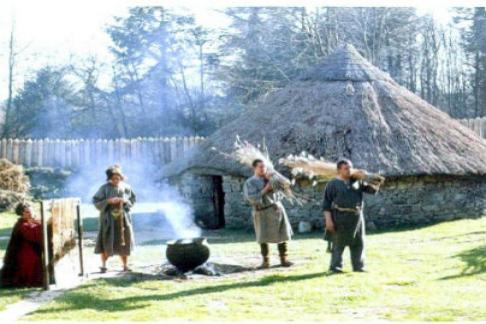
Free leaflets available in English, French, German, Spanish, Italian, Dutch and Polish. DINING / REFRESHMENTS Irish tea room offering tea, coffee, homemade scones and wonderful porter cake. SHOPPING Gift shop selling souvenirs, books and craft items. PARKING Free car and coach parking on-site. WHEELCHAIR ACCESS Partially wheelchair accessible but assistance would be required on rough paths and terrain and at exhibits. Accessible toilet available.
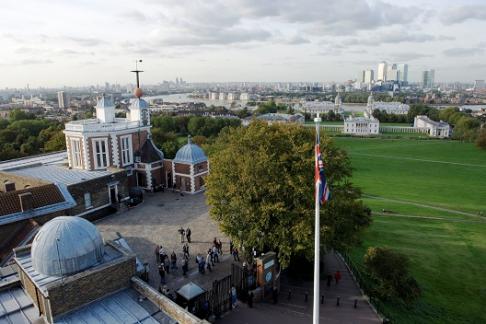
Diana: Her Fashion Story ‘Diana: Her Fashion Story’ will trace the evolution of the Princess’s style, from the demure, romantic outfits of her first public appearances, to the glamour, elegance and confidence of her later life. From her earliest royal engagements, everything Diana wore was closely scrutinised, and the exhibition will explore how she navigated her unique position in the public eye: learning to use her image to engage and inspire people, and to champion the causes she cared about. Discover exquisite and celebrated outfits from throughout the Princess’s public life. The exhibition will bring together an extraordinary collection of garments, ranging from the glamorous evening gowns worn on engagements in the 1980s, to the chic Catherine Walker suits that made up Diana’s ‘working wardrobe’ in the 1990s. The Princess’s relationship with her favourite designers will be explored through a display of some of their original fashion sketches, created for her during the design process. Exhibition highlights will include the pale pink Emanuel blouse worn for Diana’s engagement portrait by Lord Snowdon in 1981, and Victor Edelstein’s iconic ink blue velvet gown, famously worn at the White House when the Princess danced with John Travolta. A blue tartan Emanuel suit, worn for an official visit to Venice in the 1980s, will go on display in public for the first time. The suit, a rare survival of the Princess’s daywear, was only recently rediscovered and acquired by Historic Royal Palaces – the charity responsible for Kensington Palace - at auction. * Please note, this exhibit is due to be very popular, queues are to be expected. The King's State Apartments Explore these sumptuous set of rooms, each grander than the last. Grand chambers of the State Apartments The King's Staircase is the first link to the circuit of rooms making up the King's State Apartments. All the great and good of Georgian London would have climbed up these stairs to visit the king. The Sunken Garden The beautiful Sunken Garden was planted in 1908, transforming part of the gardens previously occupied by potting sheds into a tranquil ornamental garden of classical proportions. Cradle Walk An arched arbour of red-twigged lime, the walk surrounds the sunken garden with arched viewpoints equally spaced along the sides. In the summer this shady tunnel provides the perfect place to view the bright colours in the Sunken Garden to the north or the re-landscaped gardens to the south. Formal gardens Kensington Gardens began life as a King's playground; for over 100 years, the gardens were part of Hyde Park and hosted Henry VIII's huge deer chase. When William and Mary established the palace in 1689, they began to create a separate park. Mary commissioned a palace garden of formal flower beds and box hedges. This style was Dutch and designed to make William, who came from Holland, feel at home. The Queen's State Apartments Explore these intimate, private rooms created for Queen Mary II, who ruled jointly with her husband, King William III, in the 17th century. The Queen’s rooms The Queen's Staircase, little changed since its construction in 1690, is deliberately plainer than the King's. Mary would have glided down its steps to reach her beloved gardens, created in the Dutch style, through the door at its foot.