Kostenlos
Unterstützung
NUEVO: Bus con el techo parcialmente cubierto para poder disfrutar de París aunque llueva Mapa de París GRATIS Auriculares GARTIS Chubasquero GRATIS Folleto con cupones de descuento GRATIS
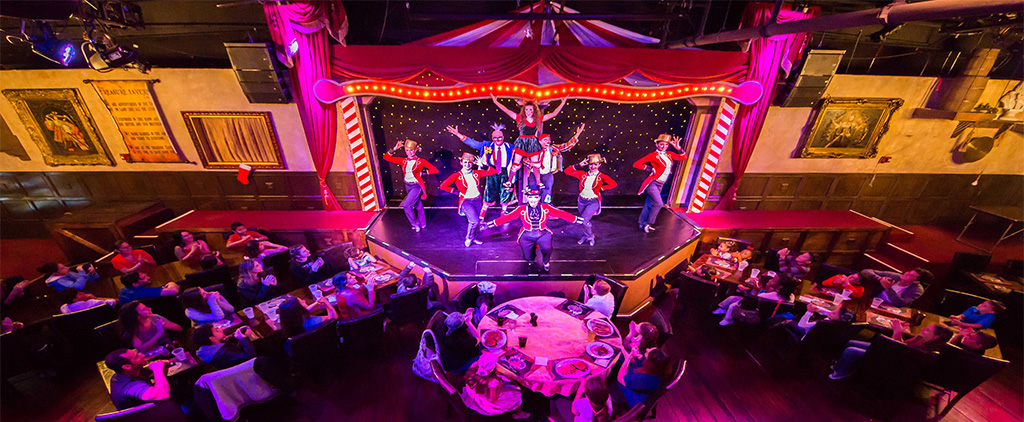
Enjoy a family friendly dinner show in Orlando at The Cirque Magique. Get your tickets today at ShowTickets.com
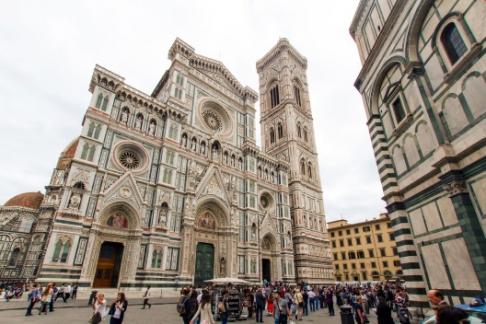
Sites Visited: Piazzale Michelangelo, for views over Florence Siena Chianti farmhouse & vineyard San Gimignano Inclusions: Expert, English-speaking Tour Leader throughout (may be split between 2 vehicles for journeys) Lunch & wine tasting in Chianti Comfortable, air-conditioned transport no larger than 8-person Professional driver (separate to Tour Leader) Small groups of only 14 people or fewer Exclusions: Gratuities Hotel Pick-Up/Drop-Off
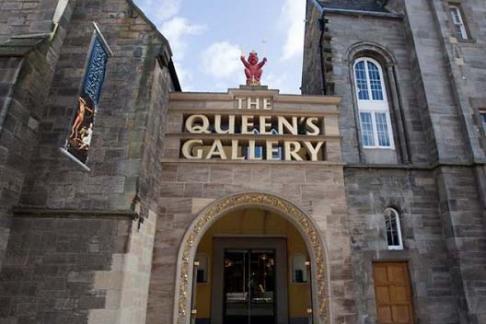
The Queen's Gallery was built in the shell of the former Holyrood Free Church and Duchess of Gordon’s School at the entrance to the Palace of Holyroodhouse. The buildings were constructed in the 1840s with funds from the Duchess of Gordon, but fell into disuse in the late 19th century. Benjamin Tindall Architects were appointed project architects for the new Queen’s Gallery in October 1999. Their central visual theme was a celebration of The Queen’s Golden Jubilee, expressed through a series of arches and screens that lead visitors from the Gallery entrance to the exhibition spaces beyond. Their design complements the original 19th-century architecture, elements of which were incorporated into the new spaces. Unsympathetic later internal alterations were removed, and a new exposed steel and concrete floor inserted to reflect the original ‘gallery’ of the Church. A new stone arched entrance was created at the centre of the Horse Wynd frontage, opposite the new Scottish Parliament building. The use of a stone archway, with a courtyard beyond, is a traditional entrance device in Scottish architecture. The main walling is of Catcastle stone, the dressed work and lettering is of Stainton stone and the base is of Kenmay granite. ‘THE QUEEN’S GALLERY’ lettering above the entrance is the work of John Neilson, a calligrapher and carver. The letters were cut from single pieces of stone. Above sits Scotland’s heraldic lion, designed by Jill Watson. The lion sedant is based on a small red lion that sits at the feet of Mary, Queen of Scots on her tomb in Westminster Abbey. (The Palace of Holyroodhouse was once home to Mary, Queen of Scots.) The monumental entrance doors of oak have gilded bronze hinges by Jill Watson. Continuing the heraldic theme, the main hinges are decorated with the Scottish lion and unicorn. The beasts are set against the adjacent urban scene of Edinburgh’s Royal Mile and the rural scene of Arthur’s Seat and Salisbury Crags. The upper hinges are made as golden boughs of flowering native trees – chestnut and laburnum, oak, rowan and hawthorn. The stone archway is decorated with a carved and gilded garland of Scottish flowers, including daisies and thistles, created by Graciela Ainsworth, an Edinburgh-based sculptor, carver and conservator. Over the old entrance to the former church is a stained-glass window by Christian Shaw. The design shows a perspective drawing of the interior of a gallery. At night, the shape of the archway is reflected by the glass lights by Keiko Mukaide set into the paving. The artist has given the tiles a water flow pattern, mirroring the stream of visitors walking in and out of the Gallery. Inside, the reception desk by Hamid van Koten is made from curved pieces of Scottish elm with kilned glass and patinated copper. The pendant lights were designed and made in Edinburgh by Ingrid Phillips. Dividing the reception from the main Gallery area is a patterned glass screen by Jacqueline Poncelet. The screen’s bronze handles by Jill Watson incorporate figures looking at art in a gallery. The dramatic central stair of native timber leads to the Gallery spaces above. The complex shape was designed by the architects with Charles Taylor Woodwork, who were responsible for the construction. Lights set into the first floor illuminate the curved balustrading.
Please note : Those with reduced mobility should note that the climb up to the abbey can be taxing Comfortable shoes and warm clothing are advised in Winter The langues suggested are just the ones available for the information booklet given to you upon the departure of the tour From April 1rst, audioguides available in: french, english, spanish, italian, portuguese, japenese, chinese, korean On-site visit duration: 4h30 Information : Warm coat is recommended during winter period, raincoat during summer. Clients with walking difficulties will not be able to reach the Abbey (many steps). An excellent range of crêperie restaurants and shops available after the visit to the abbey. Languages : Chinese English French Italian Japanese Korean Portuguese Spanish
Come and discover the world of perfume!
Learn about the secrets behind the making of perfumes during a fantastic olfactive and unique experience focussed on the composition and personalisation on an Eau de Cologne (100ml)
Compose your own fragrance depending on your own taste, combining different notes from citrus family, orange blossom and aromatic notes.
This workshop is led by a teacher for a duration of one hour and a half, it is followed by the guided tour of the location (30 minutes)
The different steps of your workshop :
Take home your own Goodie Package :
History of perfumery and raw materials
Essences used by the nose during the workshop
Discover the olfactive pyramid : head, heart and base notes
Sensory and olfactory memory development
Your own composition of an Eau de Cologne
An organdie pouch for the bottle
The « Fragonard Apprentice » designed apron
Your diploma signed by the teacher and the summary of your composition