Please present the printed voucher at the beginning of the tour.
Please make sure to show up on time. Being late might prevent you from taking part in the tour
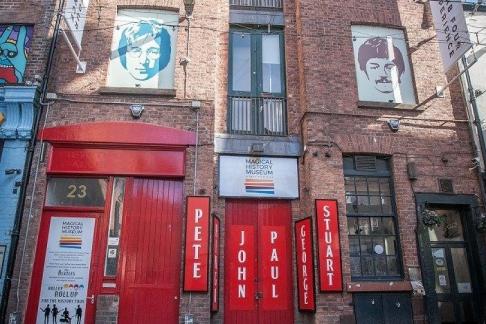
The brand NEW Magical Beatles Museum on Mathew Street Liverpool showcases items from one of the World's largest singularly-owned Beatles collections. Covering exhibits from the early days of the Fab Four through to the Worldwide fame of "four lads who shook the World". This never-before seen collection is spread across three floors and three time periods.
Ticket Includes:
Entry to the Magical Beatles Museum in Liverpool
Highlights:
Beatles stories, memories and music from 1959 through to 1970
a 300-strong collection of never before seen items once personally belonging to the Beatles and their team
the instruments they played, the clothes they wore and the music they created
the earliest ever colour footage of the Beatles playing live
letters, telegrams, posters & flyers
speak to the team of local Beatle experts on hand to help you make the most of your experience!
While you are in Liverpool, why not also visit the nearby British Music Experience, or take a ride on one of the city's iconic Mersey Ferries?
Disneyland® Park
In a Magical Kingdom not so far away - somewhere between a place where you wish upon a star and dreams come true - classic Disney heroes and heroines live once upon a time in fairytales that are, happily, never ending. 5 magical lands, endless fun, pick one that's for you... or pick them all!
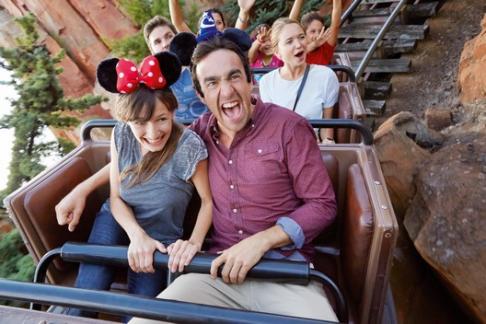
Experience your favourite Disney® Lands just as you remember them in classic Disney stories where fairytales really do come true. Endless attractions and thrills that come in all sizes and shapes. There are big thrills such as Space Mountain Mission 2 that takes you to the edge of the universe. For little ones, they can sail around the world with " it's a small world". Family fun can be found in every corner of the Park, from Pirates of the Caribbean to the Mad Hatter's Tea Cups.
Meet Disney® Characters
The Park where favourite Disney® Characters live and can't wait to meet you. Alongside Mickey and Minnie, say 'Howdy' to Goofy and 'Hello Honey' to Pooh. Get a hug, an autograph and a photo. Just say 'cheese.' It's party time! Every day's a party at Disneyland® Park. On top of all the wonderful attractions and characters, there are lots of spectacular family parade and shows to enjoy, all year round. Enjoy our wonderful shows and parades every day!
Walt Disney Studios® Park
Right next door to Disneyland® Park, discover the magical world of cinema and television at Walt Disney Studios Park - 4 cinemagical 'lots', featuring thrilling attractions and spectacular shows with your dreams centre-stage.
Explore the scenes on 4 studio lots. Where your "screendreams" come true! It's showbiz, folks! Make your big screen debut at Production Courtyard, Toon Studio, Backlot and Front lot. It's a star studded itinerary, and you never know what star you'll bump into. Blockbuster preview attractions. You ought to be in pictures! It's your day to be discovered while exploring all there is to see at Disney® Studios - The Studio Tram Tour: Behind the Magic, Disney Cinema Parade, Animagique and 'lots' more...
Walt Disney Studios® Park, where movie magic abounds. Get behind the scenes with our never seen before Parade and tours. Why not take in a spectacular Show or Parade to round off the day like the Studio Tram Tour: Behind the Magic or our Moteurs...Action! Stunt Show Spectacular? Then you'll know exactly what it's like to be a star.
Highlights of the new Museum include:
Fantastic New Cinema
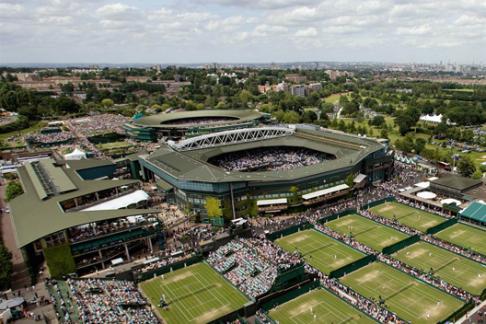
Within the walls of the new Wimbledon Lawn Tennis Museum is a remarkable cinema. The Cinema features a 200° screen that immerses the viewer into the world of The Championships by showing a film about the science of tennis. Filming took place during the 2005 Championships on Centre Court of Russia's Maria Sharapova against Spain's Nuria Llagostera Vives. Graham English Productions used a special panoramic rig that used 5 cameras at the same time, the result of which is a film that can be frozen and rotated around the field of action at any time. Using this technique, the film focuses on 20 different aspects of the match and showed viewers how players' bodies and equipment are affected during the course of a professional tennis match.
McEnroe's Ghost Sighted at the New Museum
Bringing together an old technique called 'Pepper's Ghost' with new projection and filming technology, the museum is able to create an exciting way to view a scene from Wimbledon's past. In a recreation of the 1980s Gentlemen's Dressing Room, a ghost-like image of John McEnroe appears and takes you through a tour of the normally off-limits area. McEnroe reminisces about his memories about the Dressing Room, including how he first met Jimmy Connors and how he would emotionally prepare himself for matches.
The Whites of Wimbledon
The fashions of Wimbledon continue to be a point of attention and significance to the story of tennis and the new Museum will house an extensive collection of Wimbledon attire. Everything from outfits worn in the 1880s to Rafeal Nadal's dri-fit 'pirate' trousers are on display. There is also an interactive exhibit where you can feel the weight difference between male and female clothing in 1884.
Extraordinary New Technology
Interactive touch screen consoles are evenly distributed throughout the Museum hallways. These information access points make up a part of the new and exiting technologies within the Museum. Other features are the 'Get a Grip' rotating wheel of rackets; 'The Reactor' game and an archive of great past Championship matches, all of which can be enjoyed by visitors of any age.
Explore what's inside Madame Tussauds Sydney?
History Zone
Meet historical greats and discover interesting facts in our History zone.
Leaders Zone
The Leaders area provides the opportunity to meet and interact with some of the most influential spiritual and political leaders in recent history.
Sports Zone
Meet and interact with famous sporting heros in the Sport zone of Madame Tussauds Sydney.
Music Zone
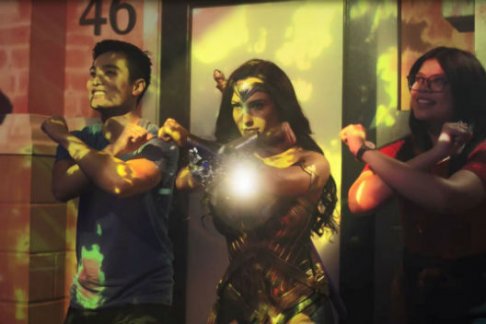
Hop on stage with your favourite rock and pop stars and show off your singing skills. Do you have what it takes to make it?
Culture Zone
Test your knowledge with Albert Einstein in the Culture zone of Madame Tussauds Sydney
TV Zone
Ever wanted to get up close and personal to your favourite TV stars? You can in the TV zone at Madame Tussauds Sydney.
Film Zone
In the Film zone of Madame Tussauds Sydney you can meet and interact with both Australian and International film stars.
A-List Zone
Discover glamorous and gorgeous A-Listers in our A-List zone at Madame Tussauds Sydney.
¿Cómo utilizar la tarjeta de Bruselas? La Tarjeta de Bruselas es válida durante 24, 48 o 72 horas a partir de cuándo se usa por primera vez en un museo Debe usar su tarjeta de Bruselas por primera vez dentro de un año de su fecha de compra. ¿Cómo utilizar la tarjeta de Bruselas en el museo? Durante el tiempo que la tarjeta es válida se puede visitar el mismo museo tantas veces como desee (sin costes adicionales) Sólo tiene que presentar su Tarjeta de Bruselas en el mostrador de venta y será validado electrónicamente; esta se activará la primera vez que la utilice La Tarjeta de Bruselas le da acceso libre a todas las colecciones permanentes de los museos. La mayoría de las exposiciones temporales también están incluidos, a excepción de los viejos maestros Museo, el Museo de Ciencias Naturales y el Museo del Cincuentenario, en las que paga el precio de la entrada normal si quiere visitar las exposiciones temporales. ¿Cómo funcionan los descuentos? Los descuentos para las diversas atracciones, excursiones, tiendas, restaurantes y bares en esta guía son para un solo uso! Los descuentos son válidos, incluso después de su Tarjeta de Bruselas ha expirado. Para obtener el descuento, sólo tiene que presentar su tarjeta de Bruselas y entregar el comprobante correspondiente a encontrar en la parte posterior de la guía. En el enlace encontrará todo lo que incluye la Tarjeta Turística de Bruselas
Die Eintrittskarten beinhalten eine Multimediatour.
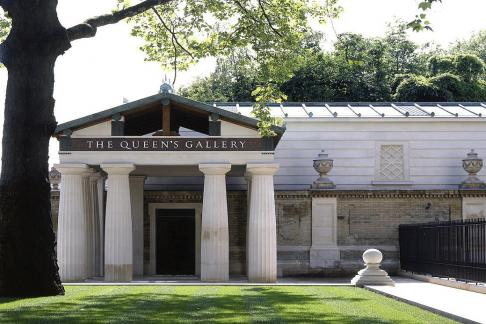
Die Queen's Gallery im Buckingham Palace ist wechselnden Ausstellungen von Kunstgegenständen aus der königlichen Sammlung gewidmet. Diese umfassende Sammlung von Kunstgegenständen und Schätzen aus aller Welt wird von der Queen für die gesamte Nation bewahrt.
Canaletto & Die Kunst von Venedig
19. Mai - 12. November
Die königliche Sammlung umfasst Arbeiten von Venedigs berühmtesten Maler Canaletto (1697-1768). Diese Werke kaufte der junge König George III 1762 von Canalettos Agenten Joseph Smith, dem britischer Konsul in Venedig.
Die Ausstellung präsentiert eine spektakuläre Auswahl venezianischer Kunst des 18. Jahrhunderts. Canalettos größte Werke werden neben Gemälden und Arbeiten auf Papier von Sebastiano und Marco Ricci, Francesco Zuccarelli, Rosalba Carriera, Pietro Longhi und Giovanni Battista Piazzetta gezeigt. Die Ausstellung Einblicke in die Höhepunkte des 18. Jahrhunderts in Venedig. Von der Pracht des Canal Grande und des Markusplatzes bis zu seinen Festen, dem Theater und dem Maskenkarneval bringt sie unwiderstehliche Faszination der schönsten Stadt der Welt in die Queen's Gallery.
Ein begleitender Film stellt Canaletto und Smith vor und erklärt Hintergründe zu den Themen der Ausstellung.