Kostenlos
Unterstützung
Vor über 120 Jahren bauten die Londoner eine Brücke, die zu einer der berühmtesten Attraktionen Londons wurde. Die Fußgängerstege wurden gebaut, damit Menschen die Themse überqueren können, während die Brücke hochgezogen ist um große Schiffe die Tower Bridge passieren zu lassen. Heute dienen diese Fußgängerstege als Aussichtsgalerie, die den Besuchern die spektakulärsten Blicke auf eine sich stets wandelnde Londoner Skyline ermöglicht. Fußgängerstege & Ausstellung: Besucher betreten die Tower Bridge Ausstellung über den North Tower. Sie werden dann mit dem Aufzug auf die Spitze des Turmes gebracht – 47 Meter über der Themse – Dort können Sie das Stahlgerüst der Brücke von innen bestaunen. Ein kurzer Film erklärt die Geschichte der Brücke und es besteht die Möglichkeit, von den beiden überdachten Fußwegen den Blick über die Dächer Londons wandern zu lassen. Auf dem östlichen Übergang gibt es eine fantastische Sicht auf die Docklands. Vom westlichen Übergang können Sie das neue GLA Gebäude sehen, den Tower of London, St. Paul’s, Big Ben und das London Eye. Interaktive Multimediaangebote (mehrsprachig) und Tafeln geben den Besuchern Informationen zu den jeweiligen Aussichten und zum Bau der Brücke. Im Südturm gibt es einen weiteren Film zu sehen. Besuchen Sie vor dem Abstieg den historischen Maschinenraum. Der Zutritt ist ebenfalls im Ticketpreis inbegriffen. Viktorianische Maschinenräume: Hier erhalten Sie faszinierende Einblicke in das Konstruktionswesen des späten 19. Jahrhunderts. Die großen und guterhaltenen, kohlenbetriebenen Maschinen wurden mit Fertigstellung der Tower Bridge im Jahr 1894 installiert, um bis 1976 Tausende der Brückenhebungen zu ermöglichen. Obwohl die Hebevorrichtungen elektrisch angetrieben werden, sind die originalen Dampfmaschinen immer noch vorhanden. Die Maschinenräume geben Besuchern die Möglichkeit mit Modellen zu experimentieren, welche die Technologie der Brücke veranschaulichen. Es werden sehenswerte Fotografien der Tower Bridge aus den vergangenen Jahrhunderten gezeigt. Ein Highlight ist ein Foto der schweren Stahlstruktur der Brücke, bevor die Steinverkleidung montiert wurde. Klicken Sie hier um die Tower Bridge App herunterzuladen!
Galardonada como Atracción del año por los visitantes El centro de visitantes de Jameson acoge a más de 360.000 visitantes cada año y proporciona una experiencia de talla mundial dedicada al whisky irlandés. La destilería fue fundada en 1780 cuando John Jameson estableció la destilería en Bow Street (Dublín). El whisky Jameson ahora se destila en Cork, aunque aún se embotella en Dublín. Con unas ventas anuales de más de 31 millones de botellas, Jameson es el whisky irlandés más vendido en el mundo. En la destilería Jameson de Bow St. no solo hay un bar, hay tres para homenajear al gran hombre que fue John Jameson. Cuando esté en el bar Jameson ¿por qué no prueba algunos de los néctares que se ofrecen? Disfrute de una degustación de whisky, donde esta marca insigne se compara con otras marcas internacionales. Aquellos que ya estén familiarizados con el whisky Jameson pueden optar por una cata de whisky reserva Jameson. Jueves - domingo por la tarde puede estar muy concurrido, así que puede haber largas colas
ART INSTITUTE OF CHICAGO One of TripAdvisor's Top Museums in the World—Four Years in a Row - 2013 | 2014 | 2015 | 2016 SHEDD AQUARIUM EXHIBITS UNDERWATER BEAUTY – A SPECIAL EXHIBIT, included with admission. Our living world is full of wonder. Celebrate with us the unbelievable beauty living in our oceans, lakes and rivers in a new special exhibit at Shedd Aquarium: Underwater Beauty. Get a glimpse of the grandeur beneath the waves as 100 species from around the world come together in an evocative new space. What is beauty? Spark your curiosity as you see all the ways beauty moves and coexists. Watch sea jellies pulse, eels ribbon and a rainbow come alive with reef fishes. Feel the rhythms, embrace the colors and savor the patterns found only underwater. Experience a world worth celebrating – and saving. Waters of the World Travel the world in 80 habitats. Dive into Oceans, from coastal kelp forests to the seafloor. Explore the self-contained ecosystems of Islands and Lakes. Visit Rivers—big and small—and learn more about our local waters in the new At Home on the Great Lakes exhibit. Meet hundreds of amazing animals, from tiny mantella frogsto a a giant octopus, from a Grand Cayman blue iguana to Nile knifefish, and from moon jellies to sea stars. We even have map turtles, in case you get lost. Caribbean Reef Take a 360-degree tour of an underwater reef community. Follow a green sea turtle. Peek at a moray eel in a rocky crevice. Watch regal rays glide by. Get eye-to-eye with parrot fish and sharks. Visit Caribbean Reef, Shedd’s award-winning 90,000-gallon circular habitat in the grand rotunda. Amazon Rising Take an exotic journey in the Amazon, home to one-third of all living things. Watch out for anacondas and piranhas, spiders, rays and a camouflaged caiman. In churning river channels, still lakes and even flooded treetops look for tetras, turtles and fruit-eating fish called tambaqui. See how the region’s animals, plants and people adapt to the water’s dramatic annual rise and fall. Abbott Oceanarium The Abbott Oceanarium immerses you in the vibrant coastal ecosystem of beluga whales, Pacific white-sided dolphins, sea otters and sea lions. You’ll also find a host of fishes and invertebrates that make their homes where freshwater flows into the ocean or where tides turn seascapes to landscapes and back again each day. Use our self-guided map to discover how animals are linked to each other, their homes and you. Polar Play Zone Kids have a place at Shedd that they can call their own—Polar Play Zone. It’s cool as ice and twice as nice! The penguins think so, too. Play! Splash! Pretend! What would you like to be? A sleek sliding penguin? A deep-sea explorer? How about both? In Polar Play Zone, you can slip into a penguin suit and try being a bird in the Icy South play area. From there, head to the Icy North to explore the belugas’ Arctic waters in a kid-sized submarine. Don’t forget to shake hands—or is it arms?—with colorful sea stars in the touch pools. In Polar Play Zone, you’ll learn about polar opposites—big and small, fast and slow, shallow and deep, even north and south—while you play. The Oceanarium Aquatic Presentation is included however based on available seating and remaining show times at the time of guest arrival. (2018 Aquatic Presentation Schedule) Stingray Touch (seasonal experience) is included. Open late May through October. 4D Experience is not included however the 4D experience tickets may be purchased at the theatre for $3.00 per -person Pets are not allowed in the aquarium
Last year over 1,000,000 visitors hiked Diamond Head making it Oahu’s 3rd largest visitor attraction. Diamond Head State Monument is one of Hawaii’s most recognized landmarks and for decades, visitors have hiked to the summit of Diamond Head to enjoy the breathtaking views of Oahu. Diamond Head State Monument is maintained by Hawaii’s State Parks and is a popular historic trail that offers a memorable Hawaiian adventure for the entire family. The Diamond Head hike takes about 2 hours; is considered a “moderate” 1.6 mile hike, with 327 concrete and metal stairs to conquer. It’s not considered an easy hike, but it is extremely scenic and fun hike to the summit. Reward yourself after your hike with the official State of Hawaii- Diamond Head Achievement Pack!
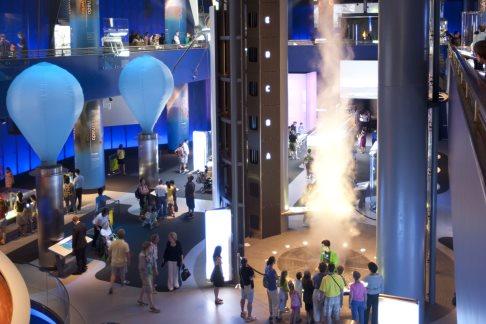
Edge Zones Edge Zone 1 - 1945 - 1962 The Anglo-American special relationship of the Second World War triggered an evolution of musical trends in Britain. Big band music became popular through visiting GIs and the revived sounds of Dixieland and New Orleans trad jazz were introduced into the London scene. The do-it-yourself creed of 1950s skiffle encouraged young musicians to pick up cheap guitars and start their own groups. British pop was transformed by the rock'n'roll craze in the mid 1950s. Edge Zone 2 - 1962 - 1966 In the 1960s, British music went global with the irresistible tide of the 'British Invasion'. The original look and sound of beat groups like The Beatles, R&B bands like The Rolling Stones and female singers like Petula Clark took America by storm and Britain became known as a pop powehouse. Edge Zone 3 - 1966 - 1970 British pop became increasingly involved in cultural exchanges with underground political activity, fashion, art and drugs. Inspired by the 1967 'Summer of Love' in San Francisco, Britain began to stage their own 'love-ins' and 'happenings', with themes of peace and love becoming the inspiration for music in this period. The 12" album toook centre stage and pop evolved into rock as music broke out of the small clubs onto the arena circuit and emerging festival scene. Edge Zone 4 - 1970 - 1975 In contrast to the tough social and economic crisis of 1970s Britain, the charts began to fill with performers singing of escapism, glamour and excitement. A darker vision of 1970s Britain soon appeared through albums like the post-apocalyptic Diamond Dogs by David Bowie and progressive rock flourished. The music industry expanded and audiences sought entertainment, making sell-out arena tours the pinnacle for any successful artist. Edge Zone 5 - 1975 - 1985 This was a period of economic recession in Britain. Pop music reflected this with tougher, more outspoken styles. Punk dramatised Britain's social divisions, while the grassroots Rock Against Racism movement popularised reggae and brought a return to political involvement. Edge Zone 6 - 1985 - 1993 The mid-to-late 1980s was a time of accelerated social, economic, technical and political change. Videos, CDs and satellite broadcasting meant that music was more accessible to the masses. The late 1980s were also a time of regional and musical diversity. Heavy metal was reborn, imported house music reached ecstatic heights with the 'Second Summer of Love' and the 'Madchester' scene was blossoming in the North. Edge Zone 7 - 1993 - 2004 In the mid-1990s, 'Cool Britannia' swept through all areas of British identity. Britpop revived the traditional pop values of the 60s and 70s. The period also saw the rise of manufactured boy bands and The Spice Girls unleashed 'Girl Power' on the world. The rise of Youtube and streaming gave audiences new ways to access music. It presented artists with unchartered waters in the form of new channels emerging to promote their music. Edge Zone 8 - 2004 - Present 2004 saw the launch of X Factor. The manufacturing of pop stars by UK audiences is balanced by the diversity of artists rising to the top of the charts. Rap and R&B stars, indie bands and singer-songwriters take the download chart by storm. The Future It is impossible to predict the future of British music. Who will be the next superstar? how will we listen to music in 2025? Whatever the future, one thing we can be sure of is that the intimate relationship between music and the fan will always continue to transcend any technological, cultural or social barriers. No photography is allowed in the the exhibition.
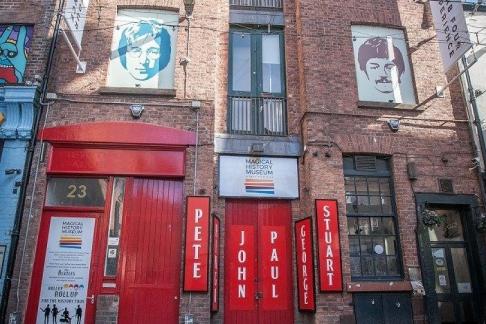
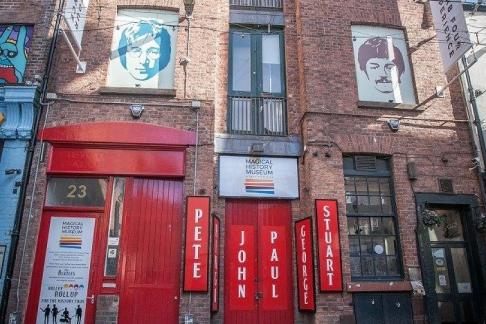
The brand NEW Magical Beatles Museum on Mathew Street Liverpool showcases items from one of the World's largest singularly-owned Beatles collections. Covering exhibits from the early days of the Fab Four through to the Worldwide fame of "four lads who shook the World". This never-before seen collection is spread across three floors and three time periods. Ticket Includes: Entry to the Magical Beatles Museum in Liverpool Highlights: Beatles stories, memories and music from 1959 through to 1970 a 300-strong collection of never before seen items once personally belonging to the Beatles and their team the instruments they played, the clothes they wore and the music they created the earliest ever colour footage of the Beatles playing live letters, telegrams, posters & flyers speak to the team of local Beatle experts on hand to help you make the most of your experience! While you are in Liverpool, why not also visit the nearby British Music Experience, or take a ride on one of the city's iconic Mersey Ferries?