Kostenlos
Unterstützung
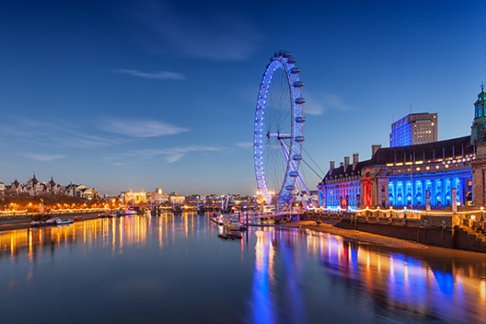
HMS Belfast One of the most powerful large light cruisers ever built, HMS Belfast is now the only surviving vessel of her type to have seen active service during the Second World War. HMS Belfast played a leading part in the destruction of the battle cruiser Scharnhorst, and also the Normandy Landings. In service with the Royal Navy until 1965, she was saved for the nation in 1971 as a unique reminder of Britain’s naval heritage. Launch! Shipbuilding Through the Ages This new family-orientated exhibition will use hands-on and computerised interactive displays and engaging film and footage to demonstrate techniques of shipbuilding, from the ‘age of sail’ to modern prefabrication methods. The exhibition will focus on the science, engineering and social history of shipbuilding in Great Britain, and the interactive elements of the exhibition will allow children of all ages to get involved and experience this history. Explore ‘What shall we give in return for so much?’ One of the most powerful large light cruisers ever built, HMS Belfast is now the only surviving vessel of her type to have seen active service during the Second World War. Serving Britain for 32 years, she played an important role in both the Second World War and the Korean War as well as performing peacekeeping duties throughout the 1950s and 1960s. Saved from destruction in 1971, HMS Belfast is now part of the Imperial War Museum and is the first ship to be preserved for the nation since Nelson’s Victory. Through its team of staff and volunteers – many of whom are veteran crew – the Imperial War Museum is dedicated to making sure that HMS Belfast still has a role to play in reminding visitors of her unique place in Britain’s maritime heritage. History of HMS Belfast The term 'cruiser' goes back to the days of sailing ships when large frigates could be detached from the main fleet to cruise independently. The sailing cruiser, like her twentieth-century counterpart, was sufficiently powerful and fast to attack and destroy enemy commerce raiders. During the nineteenth century when sail gave way to steam and wooden ships were replaced by those built of iron, and later of steel, the cruiser evolved into a powerful warship which was used to patrol the Empire trade routes and protect friendly merchant shipping. After the First World War (1914-1918) a single category of cruiser emerged whose size was indicated by the size of its guns; thus, HMS Belfast is a 6-inch cruiser, designed for the protection of trade, for offensive action, and as a powerful support for amphibious operations. Please note: children under 16 must be accompanied by an adult. Please allow 1½ - 2 hours for your visit. Tower Bridge Exhibition Walkways & Exhibition: Visitors enter Tower Bridge Exhibition via the North Tower. They are then transported by lift to the top of the Tower (47 metres above the Thames) where they have a unique opportunity to see the Bridge’s steel skeleton from within. A short film explains the history and provenance of the Bridge and then there is the chance to admire the spectacular views – from both covered Walkways. On Monday 1st December, Tower Bridge’s East Walkway will reopen with its own GLASS FLOOR, joining the West Walkway to complete our new-look exhibition. Together with far-reaching views of East London, the walkway will be bolstered with a further 20 revered bridges in the extended popular display, ‘Great Bridges of the World’. On the east Walkway there are fantastic views of the Docklands and from the west Walkway you can see the new GLA building, the Tower of London, St Paul’s, the city, the Pool of London and Big Ben and the London Eye in the distance. Interactive computerised kiosks and graphic panels explain the significance of the views to visitors, as well as providing more information on the history and building of the Bridge. The interactive material and graphic panels are written in seven languages and an audio loop for the hard of hearing is also in place for the video show. There is another film to view in the South Tower before descending for the short walk to the historical Engine Rooms, included in your ticket price. Victorian Engine Rooms: These provide a fascinating insight into late 19th century engineering. Installed for the completion of Tower Bridge in 1894, these huge, and beautifully maintained, coal-driven engines were used to power the thousands of bascule Bridge lifts performed until 1976. Although lifts are now operated by electricity, the original steam engines are still in place. The Engine Rooms give visitors a chance to experiment with models demonstrating the technology behind the Bridge. There are also some amazing photographs of Tower BridgeTthroughout its lifetime – including a revealing picture of the heavy steel structure of the Bridge as the stone cladding was installed over it.
The price can vary according to visit date and time selected. Day The climb departs from morning to late afternoon (after “dawn” and before “twilight”), exposing the hum and buzz of the city in full swing. 5 Things you need to know before your climb Health & Safety Your health and safety is important: If you are pregnant or have any pre-existing health conditions you may need to provide a doctor’s Certificate of Fitness note before you climb. You must have a blood-alcohol reading below 0.05 to climb (the same as if you are driving). You will be asked to complete a BridgeClimb Declaration Form before your Climb. Please be honest about your health so we can ensure your wellbeing is not at risk. All discussions will be confidential. Preparations How should you prepare for your Climb: Ensure that you have eaten before your Climb and you’re well-hydrated – the experience can last up to 3 ½ hours. Wear comfortable, enclosed rubber-soled shoes such as running, sport or hiking shoes and don’t forget your sunglasses. It is recommend to wear comfortable clothing. You will be equipped with everything else you need for your Climb! Ensure you arrive 15 minutes before your scheduled Climb time to allow enough time to check in. Personal Belongings All your personal belongings can be stored in lockers, including cameras: there are FREE secure lockers for you to keep your personal belongings in, including phones, cameras and GoPros. The Climb Leaders will capture photos of you during your Climb. For safety and security reasons, cameras, video technology and mobile devices are prohibited on the Climb. Restrictions You must be 8 years old and 1.2 metres in height, or taller: Children aged 8 to 15 must be accompanied by and are the responsibility of an adult, with a maximum of three children per adult. Weather Conditions Climbs operate in all weather conditions: You will equipped with all the gear you need to keep you dry, but remember to bring your own shoes, which should be enclosed, like running shoes. In case of extreme weather conditions like electrical storms or during times of extremely high wind, Climbs may be postponed.
LANGUAGES: English and Spanish The tour begins at 09:00 am from Bilbao to go directly on the A8 motorway to the border and reach Biarritz where'll make a panoramic tour of the most beautiful and interesting places of this city with its residential and tourist Faro, beaches, Puerto Viejo, Casino, Sea Museum, Rocher de la Vierge, Hotel Du Palais residence of Napoleon... we can enjoy its central shopping streets. Route will continue to approach the beautiful village of St. Jean-de-Luz, where we will make a visit on foot for their most interesting with its historical buildings and the typical port. Follow the coast to reach Hendaye village situated at the mouth of Rio Bidasoa Hondarribia directly opposite to where we will move from the port of Hendaye in a small boat to cross the Bay. Once in Hondarribia we'll make a walking tour through its most emblematic and typical areas with its walled medieval area and castle of Charles V and their mansions and palaces as well as the Navy Area with its flower-filled balconies and rides, bars, terraces, restaurants and popular atmosphere. Free time for lunch. Our guide will recommend the best places to have lunch with a basis of Tapas or tasting menus at both restaurants closed as Terrazas. In the afternoon we will follow the route to San Sebastian where we will make a visit for its most interesting areas, avenues, bridges, Paseo de la Concha, etc... including the ascent of Mount Igeldo to finish with a walk through the typical party full of ancient history with its most emblematic buildings such as the Church of the Virgen del Coro, City Hall, Puerto Viejo, Aquarium, etc. Free time to enjoy the Bay and its magnificent views or enjoy one of their famous typical Tapas bar in the city. Return direct motorway to get to your hotel in Bilbao last afternoon.
Pochette de ceinture en cuir pour hommes sac banane pochette de téléphone avec boucle de ceinture
Dublin's Hop up Hop off Tour stops include: Abbey Street - Lower O'Connell St Trinity College Dublin - College Green Nassau Street - Nassau Street National Gallery. - Merrion Square West Government Buildings - Merrion Sq West St. Stephen's Green - Grafton Street. Tourism Centre - Suffolk Street Temple Bar - Dame Street. Dublin Castle - Cork Hill Christchurch / Dublinia - Christ Church Place. St Patrick's Cathedral - Patrick Street. Guinness Storehouse - St James's Gate Museum of Modern Art - Royal Hospital Kilmainham. Kilmainham Gaol - Old Kilmainham Heuston Rail Station - St. John's Road Dublin Zoo - Phoenix Park Ryan's Victorian Bar - Parkgate Street National Museum - Collin's Barracks Jameson Distillery, Bow St. - Smithfield - Hop off here! The Four Courts - Ormond Quay Liffey River Cruise - Bachelors Walk Dublin Bus HQ Upper O'Connell Writers Museum Parnell Square North Tours operate daily from 09:00. You can redeem your ticket with the tour driver on any of the buses, or, alternatively, go to Dublin Bus Head Office, 59 Upper O'Connell Street.