Kostenlos
Unterstützung

Get tickets to one of the year's most anticipated Broadway shows that follows the story of Shakespeare's Titus Andronicus at ShowTickets.com.
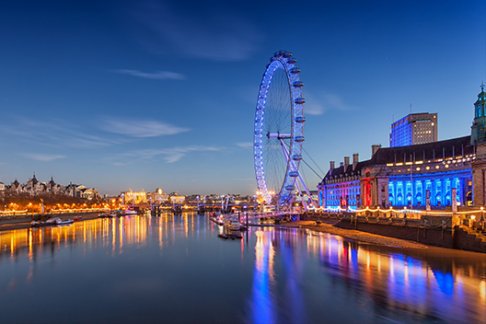
At 135 metres, the London Eye is the world's tallest observation wheel, with 40 kilometre panoramic views on a clear day. The gradual journey takes approximately 30 minutes and offers spectacular views of London and its famous landmarks such as Big Ben, Buckingham Palace and St Paul's Cathedral. Now also included - London Eye 4D Experience!!! The London Eye 4D Experience is a groundbreaking 3D film with in theatre effects, such as wind, bubbles and mist, to make the 4D. The film itself is a touching story of a little girl in London with her father. Her view of famous London landmarks is obscured by people and traffic, but a seagull draws her attention to The London Eye and her father takes her for an experience; finally she has an amazing view of the city. Colourful parties inside the capsule, time lapse of The London Eye day and night and a spectacular firework display all add up to an emotional and entertaining experience; the perfect prelude to an experience on The London Eye itself. For a different perspective visit at sunset and see the city lights come on and the skyline awash with vibrant colours. Developed to further enhance your experience, the guide book offers a panoramic map of London, pointing out all the landmarks you will see on your journey. It includes interesting facts and figures about London and tells the story behind the concept, design and construction of London's newest and most talked-about landmark. The London Eye has 32 capsules, each carrying 25 guests, take you on a 30 minute journey through the most spectacular views of, over and around London spanning 25 miles in all directions. Safety and security is our number one priority. For your safety and convenience, please read the following information on what items can and can not be taken on to the London Eye. Please be aware that all guests are subject to a security search when boarding the London Eye. Please note that the following items CAN be taken on board the London Eye: · briefcases · laptops · small day size rucksacks and bags (maximum size 18" x 13" x 8" or 46cm x 33cm x 20cm) · baby bags The following items CAN NOT be taken on board the London Eye; · large bags/suitcases or rucksacks · motorcycle helmets · skateboards and rollerblades . tripods (unless agreed in advance with the London Eye) · baby buggies* · prohibited items** If you are unsure . * Baby buggies can be left at our 'Buggy' area facility in the ticket hall, although only for the duration of the experience. ** Prohibited items include sharp objects or anything which may be considered a security risk including penknives, scissors, metal nail files, toy or replica guns. If such objects are found or declared they will be checked in and returned to you after your experience providing the item is legal in the UK. Terms and conditions 1. Confiscated objects are left entirely at the owner's risk at all times. 2. London Eye Company (LEC) accepts no responsibility for the loss of or damage to any objects left with LEC. 3. LEC is entitled to refuse to store any visitor's objects at its sole discretion whether for public safety reasons or any other reason.
![Gray Line CitySightseeing NY - Downtown Tour - 24 Hour Pass + Free Brooklyn Tour [DT]](/image/products/f/2/f257801f834eb.jpg "Gray Line CitySightseeing NY - Downtown Tour - 24 Hour Pass + Free Brooklyn Tour [DT]")
Downtown Tour The three most visited sites in New York City are all located in the area referred to in local terms as “downtown”. That world famous trio includes the Statue of Liberty, the Empire State Building, and the site of the World Trade Center – “Ground Zero” where the city and the nation’s heart was broken on September 11, 2001. Your City Sights hop-on/hop-off double decker tour bus has stops offering convenient access to these must see locations and attractions Narrated by licensed New York City tour guides passengers will hear about the neighborhoods, sites and attractions made famous in song, story, film and television. Hop off and explore the legendary artists and writers’ quarter, Greenwich Village or have authentic Italian or Chinese cuisine in Little Italy or Chinatown or see the neighbourhood that was the first home to wave after wave of immigrants making this diverse city truly the World’s Capital. View the most famous neighborhoods, attractions and places of interest: Times Square, Madison Square Garden, Macy's, Empire State Building, SoHo, Chinatown, Little Italy, Site of the World Trade Center, Wall Street, Financial District, Battery Park South Street Seaport, Lower East Side, United Nations, Rockefeller Center, Carnegie Hall, Broadway Theater District and much more. Brooklyn Tour Hop aboard a double-decker bus for Gray Line CitySightseeing NY’s Brooklyn Tour, a hop on/hop off journey through the city’s most populated borough. Many people who visit the city never set foot outside of Manhattan. But that would mean you’d miss some wonderful treasures so close by. And this newly expanded tour includes many wonders, allowing you to get off at any stop and grab a bite or see the sites in person. You’ll start in downtown Manhattan, crossing the Manhattan Bridge into Brooklyn, where you’ll see the first parkway for cars ever built in the U.S., the majesty of Grand Army Plaza, the Brooklyn Botanical Garden and Brooklyn Museum (a Beaux-Arts building with a vast art and Egyptian antiquities collection), along with the graceful mansions, intriguing shops and restaurants and a wide array of cultures. Your licensed guide will also take you past the gloriously designed Prospect Park with its zoo and the Brooklyn Public Library. And of course, you’ll see the spectacular Brooklyn Bridge. Tours Now Offered in 11 Languages! Now, Gray Line CitySightseeing NY is giving you even more flexibility in enjoying their tours by offering multilingual audio tracks in 11 different languages on all of the popular hop on/hop off bus tours. You can experience the journey in English, French, German, Spanish, Italian, Portuguese, Japanese, Korean, Mandarin, Russian and Hebrew. Hop on Hop off double-decker tickets valid for 24 hours from the time you arrive in NYC and exchange your confirmation voucher for a boarding ticket.
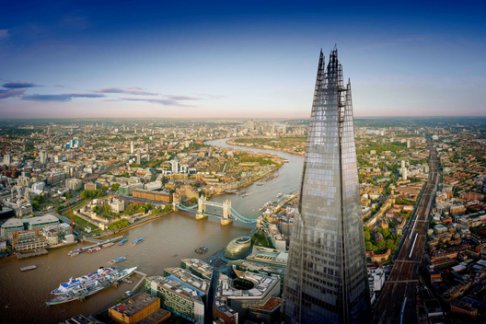
The View from The Shard
Elementos a destacar:
La plataforma de observación más alta de Londres a 310 m de altura – la más alta de Europa Occidental.
Impresionantes vistas panorámicas de 360 grados que permiten ver hasta 64 km del skyline de Londres.
El asombroso skydeck al aire libre que le permitirá sentir la brisa y oír los sutiles sonidos de la ciudad bajo sus pies.
Telescopios digitales informativos que le llevarán a través del pasado, presente y futuro de la capital.
Tiempo ilimitado, ¡disfrute las vistas a su ritmo!
Relájese con una copa de champán en la experiencia con champán a más altura de Londres.
Ascensores considerablemente rápidos que viajan a 6 metros por segundo.
Busque en la tienda de regalos suvenires únicos.
Guías multimedia gratuitas en 11 idiomas diferentes.
La entrada incluye:
Entrega inmediata de las entradas.
Imprima su vale y muéstrelo en la taquilla de The View from The Shard.
En este enlace podrá ver las horas en las que se pone el Sol en Londres
POR FAVOR TENGA EN CUENTA:
Si no presenta su vale impreso para The Shard no le será permitida la entrada.
Los niños deben ir acompañados de un adulto.
London Eye - Entrada Estándar
Entrada Flexible: seleccione una fecha en el calendario, entonces podrá visitar la atracción hasta 7 días después de esa fecha.
Este vale le da derecho a 30 minutos para experimentar el London Eye en la fecha elegida. La rotación gradual dura aproximadamente 30 minutos y ofrece espectaculares vistas de Londres y de sus monumentos, como el Buckingham Palace y la Catedral de St Paul.
Con 140 metros de altura, el London Eye es la noria más alta del mundo. 32 Cápsulas, en que cada una puede cargar 25 personas, le llevarán en un viaje de 30 minutos a través de las vistas más espectaculares de todo Londres y sus alrededores, abarcando 40 kilómetros en todas las direcciones.
Ahora también se incluye - La experiencia London Eye 4D
La Experiencia London Eye 4D es una película 3D pionera en efectos especiales, como el viento, la niebla y las burbujas, que hacen el 4D.
La película en sí es una conmovedora historia de una niña con su padre en Londres. Su punto de vista de los monumentos de Londres está oscurecida por las personas y el tráfico, pero una gaviota atrae su atención hacia el London Eye y su padre la lleva a esa experiencia; finalmente, puede disfrutar de unas increíbles vistas de la ciudad. Una vistosa fiesta dentro de la cápsula, un time lapse del día y la noche en el London Eye y un espectacular castillo de fuegos artificiales se muestran para sumarse a una experiencia emocional y entretenida; el preludio perfecto para una experiencia en el propio London Eye.
Por favor tenga en cuenta: no se admiten niños no acompañados en el London Eye.
Cuando llegue se le asignará la siguiente vacante disponible.
En caso de que no hubiera disponibilidad para el resto del día en el London Eye, sus entradas serán válidas el día siguiente. En ese momento podrá realizar una reserva para una hora específica.
Le recomendamos que contacte con London Eye por avanzado para comprobar la disponibilidad y hacer una reserva para una hora específica.
Las tardes son el momento de más ocupación del London Eye, por lo que le recomendamos que haga su visita por la mañana.
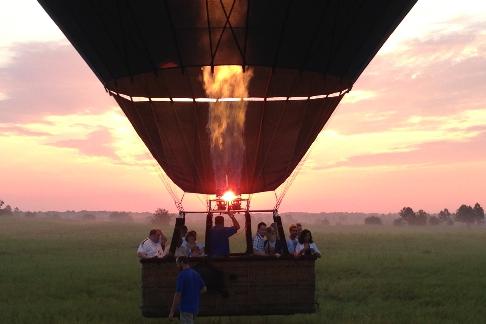
ORLANDO Balloon Rides Confirmation will be received at time of booking, unless booked within 2 days of travel. In this case confirmation will be received within 48 hours, subject to availability Children aged 3 and under are not permitted to fly Not recommended for pregnant women Ballooning is dependent upon favorable weather conditions. If conditions are not favorable for a safe flight, the pilot may reschedule or cancel the flight. Wear closed-toe shoes Voucher info You can present either a paper or an electronic voucher for this activity. What's this? Local operator information Complete Operator information, including local telephone numbers at your destination, are included on your Confirmation Voucher. Our Product Managers select only the most experienced and reliable operators in each destination, removing the guesswork for you, and ensuring your peace of mind. On landing a traditional champagne toast is held to celebrate your wonderful adventure. Non-alcoholic beverages are also available. You will then return to the Radisson Resort Orlando-Celebration. Most importantly they are fully licensed and insured. Their pilots are all FAA certified, highly experienced and are full time professionals. Orlando Balloon Rides is the Premier Balloon Company in Central Florida and is the largest passenger ride operator on the Eastern seaboard of the United States. The well established companies of Blue Water Balloons and Orange Blossom Balloons have merged to form Orlando Balloon Rides. They fly thousands of people a year in balloons specifically designed and engineered for passenger comfort. Their balloons are all 2007 models or newer and have all the latest safety features with you in mind. Orlando Balloons are most proud of their 100%, unblemished safety record. Their reputation has been built over many years and Orlando Balloon Rides is held with great regard not only by the ballooning community but also in the travel and tourist industry.
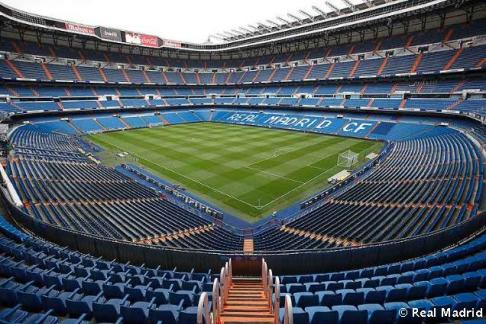
Visita el estadio cualquier día del año, sin prisas, invirtiendo el tiempo que consideres necesario, y date un paseo por la cuarta terraza para disfrutar de las vistas panorámicas. Tendrás la oportunidad de realizar un exclusivo recorrido por el estadio y acceder a sitios que hasta entonces sólo habías soñado visitar. Verás el túnel que lleva hasta los vestuarios, el banquillo desde el que podrás sentarte e imaginar cómo ven el partido los entrenadores, el campo e incluso el palco presidencial. El Palco de Honor es la zona más exclusiva del Estadio Santiago Bernabéu. Está reservada a los directivos de ambos equipos, autoridades e invitados especiales. Además, es el lugar donde los capitanes del Real Madrid han levantado muchos de los Trofeos ganados a lo largo de la historia. Para completar el recorrido, realizarás una visita al museo que conmemora la legendaria historia del Real Madrid y que te brinda la oportunidad de viajar al pasado con el equipo y conocer sus primeras victorias. Contiene tesoros que serán de interés para todos los fanáticos. El circuito finaliza en la tienda oficial del club. Nueva Audioguía Interactiva: Una experiencia digital innovadora y divertida, única en el mundo para "visitar jugando" el Tour Bernabéu. Disponible en español, inglés, alemán, francés, ruso y chino. Se puede comprar en el estadio por 5 €.