Gratis
Apoyo
Kew Gardens, is a World Heritage Site located in 121 hectares of stunning vistas with six magnificent glasshouses set in a beautiful landscape beside the River Thames between Richmond and KEW in south-west London. Kew Gardens represents more than 250 years of historical gardens. It is home to a remarkable collection of over 30,000 types of plants from all over the world that range from the decorative to the peculiar. Kew Gardens provide opportunities for public enjoyment and enrichment and the behind-the-scenes scientific work helps ensure a sustainable future for plants and people. In the summer of 2004, Kew's determination to make serious botany great fun for children was demonstrated with the opening of 'Climbers and Creepers'. Bringing a new use to an old cycad house by White Peaks, Climbers and Creepers engages children from around 3-9 years in the pleasures of learning more about plants and their relationships with animals and people. Apart from the sheer beauty and tranquillity of the garden's landscapes Kew offers a wonderful day out for all, whether horticulturally, historically or botanically inclined. Botanical Highlights The dates below are approximate, and flowering can vary by three to four weeks, depending on the weather. Spring: Mid-February - early March: A million-and-a-half crocuses below the Temple of Bellona between Victoria Gate and King William's Temple - one of Kew's most spectacular displays (typically late Feb - early March). Camellias between Victoria Gate and the Shirley Sherwood Gallery of Botanic Art. Spring bedding and spring flowers in the open woodland around the Azalea Garden. Daffodils, forsythia and cherry blossom. Orchids, bromeliads and anthuriums in Kew’s Tropical Extravaganza, an annual display of exotic blooms in the Princess of Wales Conservatory. April - May: Lilacs near Kew Palace and White Peaks. Spring bedding in front of the Palm House. Scillas in the Woodland Garden. Flowering cherries, crab apples, magnolias and tulips throughout the gardens. May - June: Bluebells in the Queen's Cottage Grounds. Lilacs, azaleas, rhododendrons and magnolias, Brentford Gate area. The tiny but beautiful alpine flowers in the Davies Alpine House and the Rock Garden. Himalayan blue poppies and rhododendrons in the Woodland Garden. Native plants in long grass areas. Horse chestnut blossom. Summer: June - July: Summer flowers in the walled Duke's Garden and in the Woodland Garden. Giant water lilies growing rapidly in the Princess of Wales Conservatory and the Waterlily House. The Mediterranean Garden near King William's Temple. The Rose Pergola, the Rose Garden and the Order Beds. The Rock Garden. Tulip trees, opposite the Palm House, Philadelphus near the Pagoda. July - September: Themed summer bedding in front of the Palm House. The Order Beds. Giant water lilies flowering in the Princess of Wales Conservatory. Water lilies flowering in the Aquatic Garden and Waterlily House. The herbasceous borders of the Duke's Garden, fascinating medincinal herbs in the Queen's Garden, Grass Garden, Rose Garden. Hibiscus, hydrangeas and Indian bean trees. Autumn: September - October: Autumn crocus in September in the Woodland Glade - Kew's first burst of autumn colour. Belladonna lilies. Trees in autumn colour. October - November: Last of the autumn colours. Grass Garden. Autumn-flowering crocuses, colchicums and hardy cyclamen. Strawberry trees west of King William's Temple and between the Princess of Wales Conservatory and Rock Garden. Winter: November - December: Fruiting trees and shrubs, winter bark. Winter-flowering cherry. January - February: Snowdrops in the Rock Garden and Conservation Area, crocuses along the Princess Walk. Witch hazels by King William's Temple. Cornelian cherry in the winter border in the Duke's Garden. Duchess border along wall outside the Duke's Garden. Camellias between Victoria Gate and the Shirley Sherwood Gallery of Botanic Art. Clematis cirrhosa on the Rock Garden Wall. Rhododendrons in the Rhododendron Dell and, if the winter is mild, the carmine blooms of Magnolia campbellii might appear early. Shrubs in the Winter Border near the Ice House. The Davies Alpine House. Heathers, hellebores, viburnums and cornelian cherry.
If you want to see the Grand Canyon from all of the best spots arrive in style and learn from some of the best guides in the countryaEURthen this tour is it.
Menu "Decouverte"* Starters Assortment: Fried scallops, artichoke cream, lemon crumble Salt and pepper butterfly prawns, candied vegetables with cumin Duck foie gras, lightly tangy apple éclair Verrine of lentils and crispy vegetables with raw and cooked tomatoes ** Main course at choice: Chicken supreme, creamy risotto with green asparagus, thyme sauce Hake pie with lemon cream, crushed potatoes with seaweed Slab of beef, potato patty, oyster mushrooms and yellow carrots (+) ** Desserts Assortment: Chocolate cream, caramelised biscuit crunch and fresh banana Salted butter caramel macaroon and seasonal fruit Mini shortbread with orange meringue cream Verrine of chestnut cream and vanilla mousse with hazelnut flakes ** Vegetarian Menu: Pumpkin soup, baby salad greens with pine nuts and marinated artichokes ** Fried seasonal vegetables, risotto with green asparagus, oyster mushrooms ** Coconut rice pudding, seasonal fruits, black and white chocolate mikado Child Menu:
What is Included: Healesville Sanctuary entry Historic Steam train ride Friendly & informative tour guide Take a small group day trip from Melbourne to check out the Healesville Sanctuary and the Puffing Billy Steam Train. At Healesville Sanctuary you’ll meet Australia’s native animals including koalas, kangaroos, monitor lizards and dingos. Then head to the Puffing Billy Steam Train for a ride through the rainforest on the century-old steam train. After pickup from the centrally located meeting point on Flinders Street in Melbourne, travel by comfortable modern mini-buses about one hour through the Dandenong Ranges, known for cool-climate rainforest and extensive Eucalyptus forests. First you’ll visit the Healesville Sanctuary, one of the best places in Victoria to see and interact with native Australian wildlife. You’ll walk through a stunning bushland setting where you can see wombats, birds of prey, platypus, wallabies and other amazing animals that are native to Australia. Once you have enjoyed all Healesville Sanctuary has to offer, you’ll reboard your mini-bus and head to the Puffing Billy Steam Train in Belgrave. Climb aboard the century-old steam train, maintained in mint condition by dedicated volunteers. The Puffing Billy still runs on its own mountain track between Belgrave and Gembrook, through the heart of the rainforest. Travel back in time as you chug through the gorgeous Sherbrooke Forest waving at friendly bystanders as you go. In the late afternoon you’ll be returned to 570 Flinders Street in Melbourne where your tour ends.
Tour Code: STTANA – from Anaheim Resort hotels, Long Beach and San Pedro Cruise Terminals Tour Code: STTLAB– from Redondo Beach, Manhattan Beach, Santa Monica, Venice Beach, LAX Hotels, Marina Del Rey Tour Code: STTDTLA – From Downtown LA, Beverly Hills, Hollywood, Universal, North Hollywood
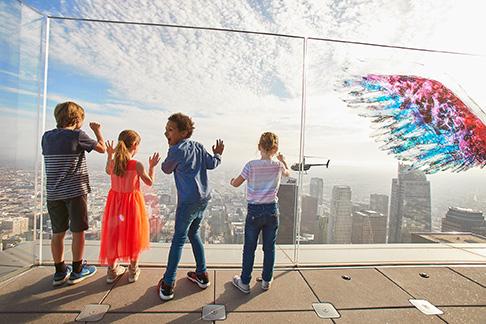
Skydeck A 410 metros y 110 años de historia por encima de las calles de Chicago, The Ledge en la Torre Willis (anteriormente conocida como la Torre Sears) cambiará la visión de la Ciudad del Viento tanto a los locales como a los visitantes. En Enero de 2009, los propietarios de la Torre Willis empezaron una gran renovación del famoso Skydeck, que llevaba abierto desde el 1974, y fue uno de los más importantes atractivos turísticos de la ciudad durante décadas. Cuando la Torre cambio de propietarios, la nueva dirección aporto un aspecto más fresco – y una dosis de adrenalina – al piso 103 en forma de balcones de cristal retráctiles que se extienden 1 metro y medio por encima de la Wacker Drive y el Chicago River situados abajo. Todavía el octavo edificio más alto del Mundo, y el más alto en el hemisferio Occidental, el Skydeck de la Torre Willis atrae 1’5 millones de personas al año que están deseosas de subir el edificio de 110 años de historia y más de 440 metros de altura para contemplar unas asombrosas vistas de la ciudad y su entorno. Su viaje hacia lo más alto de la Torre Willis empieza pasando por un detector de metales como los del aeropuerto, seguido de un agradable viaje en ascensor hasta la zona de espera donde los visitantes hacen cola para las entradas. Una señal le indicará el tiempo de espera necesario para subir, un momento idóneo para comprobar la visibilidad. Incluso los días que parecen soleado pueden tener niebla o nubes en lo más alto que limitan la vista. Pero en días buenos podrá ver hasta 80 km más allá, hasta los estados de Indiana, Michigan, Iowa y Wisconsin. Mientras espera, podrá ver un vídeo sobre los datos más relevantes de la Torre Willis. Después no tendrá que esperar mucho más hasta subir al ascensor, que le permitirá subir 103 plantas en tan sólo 70 segundos. Desde aquí, la ciudad entera se desvelará bajo sus pies, y verá exactamente como se distribuye Chicago. La Torre Willis, el Skydeck y The Ledge Los cientos de visitantes semanales a las ventanas del Skydeck sirvieron de inspiración para crear el The Ledge. The Ledge puede soportar unas cuatro toneladas de peso, los más atrevidos ponen a prueba esta estadística saltando alrededor del recinto completamente translucido con el trafico y el bullicio de chicago debajo. Los paneles de vidrio se componen de tres capas de vidrio grueso de media pulgada laminadas en una unidad sin fisuras. Además de servir de atracción turistica a 1,3 millones de visitantes la Torre Willis es el acoge a más de 100 empresas, entre ellas gabinetes de abogados, empresas de seguros, de transporte y servicios financieros. The Ledge se encuentra en la planta principal del Skydeck para facilitar su mantenimiento y, sobretodo, para limpiar las 974 aves muertas que se encuentran cada mes. The Moonwalk es el baile más popular de The Ledge, seguido por el Running Man y el Riverdance en tercera posición. Esta atracción no está recomendada para las personas que tienen miedo a las alturas. La Torre Willis era conocida antiguamente como la Torre Sears, hasta que en el 30 aniversario de Arnold le cambiaron el nombre. Exposiciones de Shedd Aquarium: Nueva exposición: ¡AMPHIBIANS! La nueva exposición llamada “Amphibians” abre el 16 de Mayo y su acceso va incluido en el precio de la entrada. Verá 40 especies diferentes de ranas y salamandras desde su ciclo de vida hasta sus adaptaciones para vivir en cada ecosistema de la Tierra. Descubra cómo de grande puede llegar a ser un problema para los anfibios – y cómo puede ayudarlos a hacer frente a estos grandes cambios. Waters of the World Viaje a 80 hábitats diferentes. Zambúllase en el océano desde los bosques de algas marinas hasta el fondo del mar. Explore los ecosistemas de Islas y Lagos. Visite grandes y pequeños ríos y aprenda más sobre nuestras aguas en la exhibición de ‘At Home on the Great Lakes’. Encuentre cientos de asombrosos animales, desde ranas diminutas a pulpos gigantescos, así como caimanes, iguanas, medusas y estrellas de mar. Caribbean Reef Haga un recorrido 360º por una comunidad de arrecifes bajo el agua. Siga a las tortugas marinas verdes, contemple desde muy cerca peces loro y tiburones. Amazon Rising Haga un viaje exótico por la Amazonia, hogar de un tercio de todos los seres vivos. Tenga cuidado con las anacondas y pirañas, rayas y caimanes camuflados. Vea como los animales, plantas y personas de la región se adaptan a las crecidas y bajadas anuales del agua. Oceanário Abbott Oceanário Abbot le sumerge en el vibrante ecosistema de las ballenas beluga, los delfines de flanco blanco, las nutrias de mar y los leones de mar. También podrá observar multitud de peces e invertebrados que viven donde los flujos de agua dulce entran en el océano. Use nuestro mapa para descubrir cómo se vinculan los animales entre ellos, a sus hábitats y a nosotros mismos. La Zona de Juego Polar Los niños tienen su propio lugar en el Acuario Shedd, 'La Zona de Juego Polar'. ¿Qué le gustaría ser? ¿Un pingüino deslizante y elegante? ¿Un explorador de aguas profundas? ¿Qué tal las dos cosas? En la Zona de Juego Polar puede disfrazarse de pingüino y fingir ser un pájaro en el Área de Juego Icy Sur. Desde allí puede dirigirse al Área de Juego Icy North para explorar las aguas del ártico en submarino. No se olvide de tocar las coloridas estrellas de mar en las piscinas. En la Zona de Juego Polar los niños aprenderán acerca de los polos opuestos- grande y pequeño, rápido y lento, superficial y profundo- e incluso sobre el norte y el sur, todo esto mientras juegan y se divierten.