Gratis
Apoyo
The Queen's Gallery was built in the shell of the former Holyrood Free Church and Duchess of Gordon’s School at the entrance to the Palace of Holyroodhouse. The buildings were constructed in the 1840s with funds from the Duchess of Gordon, but fell into disuse in the late 19th century. Benjamin Tindall Architects were appointed project architects for the new Queen’s Gallery in October 1999. Their central visual theme was a celebration of The Queen’s Golden Jubilee, expressed through a series of arches and screens that lead visitors from the Gallery entrance to the exhibition spaces beyond. Their design complements the original 19th-century architecture, elements of which were incorporated into the new spaces. Unsympathetic later internal alterations were removed, and a new exposed steel and concrete floor inserted to reflect the original ‘gallery’ of the Church. A new stone arched entrance was created at the centre of the Horse Wynd frontage, opposite the new Scottish Parliament building. The use of a stone archway, with a courtyard beyond, is a traditional entrance device in Scottish architecture. The main walling is of Catcastle stone, the dressed work and lettering is of Stainton stone and the base is of Kenmay granite. ‘THE QUEEN’S GALLERY’ lettering above the entrance is the work of John Neilson, a calligrapher and carver. The letters were cut from single pieces of stone. Above sits Scotland’s heraldic lion, designed by Jill Watson. The lion sedant is based on a small red lion that sits at the feet of Mary, Queen of Scots on her tomb in Westminster Abbey. (The Palace of Holyroodhouse was once home to Mary, Queen of Scots.) The monumental entrance doors of oak have gilded bronze hinges by Jill Watson. Continuing the heraldic theme, the main hinges are decorated with the Scottish lion and unicorn. The beasts are set against the adjacent urban scene of Edinburgh’s Royal Mile and the rural scene of Arthur’s Seat and Salisbury Crags. The upper hinges are made as golden boughs of flowering native trees – chestnut and laburnum, oak, rowan and hawthorn. The stone archway is decorated with a carved and gilded garland of Scottish flowers, including daisies and thistles, created by Graciela Ainsworth, an Edinburgh-based sculptor, carver and conservator. Over the old entrance to the former church is a stained-glass window by Christian Shaw. The design shows a perspective drawing of the interior of a gallery. At night, the shape of the archway is reflected by the glass lights by Keiko Mukaide set into the paving. The artist has given the tiles a water flow pattern, mirroring the stream of visitors walking in and out of the Gallery. Inside, the reception desk by Hamid van Koten is made from curved pieces of Scottish elm with kilned glass and patinated copper. The pendant lights were designed and made in Edinburgh by Ingrid Phillips. Dividing the reception from the main Gallery area is a patterned glass screen by Jacqueline Poncelet. The screen’s bronze handles by Jill Watson incorporate figures looking at art in a gallery. The dramatic central stair of native timber leads to the Gallery spaces above. The complex shape was designed by the architects with Charles Taylor Woodwork, who were responsible for the construction. Lights set into the first floor illuminate the curved balustrading.
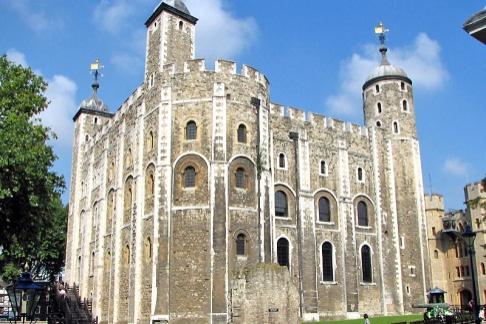
One of the most famous buildings in the world, the Tower of London was constructed in the 11th century - almost a 1,000 years ago and has been witness to countless significant events in the development of Britain's now democratic monarchy. During your tour of the Tower of London you will meet the magnificent Yeoman Warders or 'Beefeaters', clad as they were in Tudor times, hear the legend of the ravens and spine chilling tales from the Tower's long history. See the infamous Bloody Tower where the Princes were murdered, Beauchamp Tower where visitors can read carved inscriptions of past prisoners and Traitors Gate where those unlucky enough not to survive imprisonment had their heads impaled - and much more. We sell at less than the gate price, which gives you access to all the Towers and Attractions, as well as the unique Gift Shops, the historic New Armouries Restaurant, Tower Cafe and Kiosk. Your Tower ticket also includes entry to the Crown Jewels. Things to do and See at the Tower of London: Line of Kings Exhibition For over 300 years visitors to the Tower of London have marvelled at displays featuring arms and royal armour, life-sized wooden horses and figures of kings. The White Tower The White Tower is one of the most famous castle keeps in the world. It was built, to awe, subdue and terrify Londoners and to deter foreign invaders. It’s an iconic symbol of London and Britain. The Crown Jewels The Jewel house at the Tower of London houses the world famous Crown Jewels. 23,578 precious stones and gems make up the Crown Jewels and include the world’s most famous diamond ‘ The Great Star of Africa’. The Yeoman Warder tours The Yeoman Warders, also known as beefeaters, are the public face of the Tower of London. As well as guarding the Tower and Crown Jewels they also provide tours for visitor where they regale you with tales from the Tower. The Royal Beasts The last thing you’d expect to see at the Tower of London would be Lions, Tigers, Elephants and Polar Bears, but for over 600 years the Royal Menagerie played host to these and many more. Discover their extraordinary stories and what life was like for them at the tower. The Ravens ‘The kingdom and the Tower will fall if the six ravens ever leave the Tower of London’, well according to legend anyway. Whether this is true or not the ravens have become on of the Tower’s most famous sites, just make sure you see at least 6 when you visit! The Tower Green Believe it or not being executed inside the Tower of London was considered a privilege for those of high rank. The Tower Green contains a permanent memorial for those ‘lucky’ enough to be executed there. The Medieval Palace Being the oldest part of the Tower of London, the Medieval Palace contains amazing interiors that you won’t see anywhere else. here you can experience what life might have been like in a luxurious medieval household.
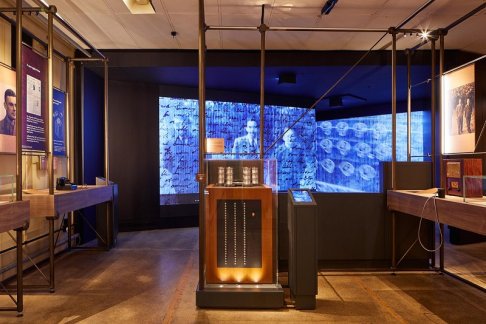
Bletchley Park, now a vibrant heritage attraction is the former top-secret home of the British and Allied Forces World War Two Codebreakers. Learn about the work of these men and women who it is estimated helped shorten the war by a full two years. Ticket Includes: Entry to Bletchley Park - instant ticket delivery, simply print and go Codebreaking huts - where Enigma messages were decrypted interactive activities & projected images World War I & 2 exhibitions interactive, modern Cyber Security exhibition historic buildings & mansion adult & family-friendly multimedia tours access to the beautiful grounds outdoor walking tours with a knowledgeable live guide National Radio Centre exhibition some temporary, seasonal exhibitions & performances Just a 40-minute drive from Bletchley Park, why not also visit the UK's largest Zoo, ZSL Whipsnade Zoo and use 365Tickets exclusive money-saving combo? With this deal the attractions can also be visited on separate days if preferred.
A spectacular day out for all the family! Routes and Times With your Original Tour ticket, you have access to 6 bus tour routes around London. Four of these routes (Yellow, Blue and Orange) are sightseeing tour routes and buses run at a 15-20 minute frequency. The Green Route is The Loop Line around central London. The Orange and Purple Routes operate as a shuttle service and connect you with our sightseeing tours from the train stations and popular hotel districts of the capital. The information below is designed to help you plan your day out in London. Do also check our timetable for specific stop locations and route times. All times are subject to change and if you have any questions on the day, please do ask our friendly and knowledgeable on-street staff who are on hand to help you plan your perfect day in London! Yellow Route The Yellow Route presents the key sights and top attractions of London including the Tower of London, St Paul’s Cathedral, London Eye and Marble Arch. Crossing the river four times, you are guaranteed some spectacular views of London’s stunning scenery along the Thames. The Yellow Route T2 offers multilingual commentary in 11 different languages (English, German, French, Spanish, Italian, Russian, Japanese, Portuguese, Mandarin, Arabic & Brazilian) and live guides on Yellow Route T1. The main departure point for this tour route is located at Coventry Street, Piccadilly Circus but you can board the bus at any stop along the route. Blue Route - The Royal Borough Route The southern section of the Blue Route remains unchanged, covering the popular shopping district of Kensington with the world famous Harrods and Harvey Nicholls department stores as well as the museums in Kensington including Victoria & Albert Museum, Science Museum, Natural History Museum and the newly relocated Design Museum (opening November 24th, 2016). The Royal Borough of Kensington and Chelsea is the smallest borough in London but also one of the most densely populated. Nicknamed ‘Albertopolis’ after the husband of Queen Victoria, the area contains some of the most expensive residential properties in London along with a large number of museums (many with free entry) & cultural institutions. We invite you to hop-off The Original Tour anywhere along the route or stay on-board to view the impressive architecture of this beautiful area. Orange Route: The British Museum Tour The British Museum is the most popular attraction in London with over 6 million visitors per year. Dedicated to human history, art & culture, the museum houses over 8 million exhibits (not all of them on show at one time!) from all over the world. The new Orange Route also provides easy access from Kings Cross, St Pancras and Euston train stations. Clients arriving at these major train stations can now easily get into central London to switch onto the Yellow sightseeing tours which cover all the major sights and attractions of central London. Green Route The Green Route is a useful route to hop-on if you need to cross town quickly to get from one place to another. The Green Route operates at a frequency of every 20 minutes (20-30 minutes in winter) with the first bus departing Charing Cross Road (Leicester Square) at 9.15am and the last bus at 2.35pm. Purple Route Purple Route - Capital Connector (T6) The Purple Route is useful if you are staying in a hotel located in Bayswater, Notting Hill, Holland Park or Lancaster Gate or wish to go shopping at Westfield Shepherds Bush. Operating in both eastbound and westbound directions, the Purple Route operates more frequently in an eastbound direction, enabling you to join our Yellow sightseeing route at Marble Arch. Frequency: Every 20-30 minutes. EXPLORE LONDON FREE WALKING TOURS Get up close to London's incredible history. Included FREE with every bus tour ticket! Three fabulous walks put you at the heart of the world's most exciting city: Changing the Guard Walk: See Buckingham Palace, St James's Palace and the regiments that guard them in this exciting walk as you march alongside the guards at Buckingham Palace.* Departs daily 10:00am from The Original London Visitor Centre Rock ‘n’ Roll Walk: Take a 90 minute walk through the heart of London’s rocking heritage: The Beatles, The Rolling Stones, David Bowie and The Sex Pistols – it’s only rock ‘n’ Roll, but I like it! Departs daily 13:00 from The Original London Visitor Centre Jack the Ripper Walk: Walk in the footsteps of the world's most infamous serial killer as we reveal his murderous tale from the dark street of Whitechapel in 1888. Departs daily 16:00 from The Original Tour bus stop 11 at the Tower of London on Tower Hill * On non-guard change days (Tuesday, Thursday and Saturday) the walking tour will take you to see the Changing of the Horse Guard (at horse guards parade) and will then visit Buckingham Palace. The guard change does not take place if it is raining. ** All tours take approximately 90 minutes. Please note that the Jack the Ripper walk will finish at Aldgate East tube station and not at one of our bus stops. *** Walking tours are included FREE with an Original Tour ticket but can be purchased separately at $12 GBP each. MAIN DEPARTURE POINTS: The Original London Visitor Centre The newly opened London Visitor Centre is your one-stop-shop to the Capital and beyond. Visit us at our Trafalgar Square address for expert help from our excellent travel advisers. You can also purchase tickets for a range of exciting activities. Opening Hours: Monday-Saturday 08:30 to 18:00 Sunday & Bank Holidays 09:00 to 17:30 Address: 17-19 Cockspur Street, Trafalgar Square Nearest Tube: Charing Cross or Piccadilly Circus Start Point 1 - PICCADILLY CIRCUS Directions: Yellow Route From Whitcomb Street: The stop is by the McDonald's between Piccadilly Circus and Leicester Square. Green & Blue Routes From Rupert Street: The stop is outside 'Yo Sushi' restaurant on Rupert Street No.19. Timetable - Frequency approx. 10 mins Yellow Route: First Bus 08:30, Last Full Tour 18:00 Green Route: First Bus 09:52, Last Full Tour 14:10 Blue Route: First Bus 08:45, Last Full Tour 17:15 Start Point 2 - TRAFALGAR SQUARE Directions: Green Route From Northumberland Avenue: The stop is opposite 'Garfunkel's' restaurant at Stop 'W'. Timetable - Frequency approx. 15 mins Yellow Route: First Bus 08:35, Last Full Tour 15:50 Green Route: First Bus 09:18, Last Full Tour 14:35 Start Point 3 - VICTORIA & GROSVENOR GARDENS Directions: Yellow Route From Buckingham Palace Road: The stop is located outside the Thistle Victoria Hotel on Buckingham Palace Road. Timetable - Frequency approx. 10 mins Yellow Route: First Bus 09:05, Last Full Tour 16:15 Start Point 4 - MARBLE ARCH Directions: Yellow Routes From Speakers' Corner: The stop is located at Speakers' Corner at Marble Arch on Park Lane. Take subway exit number '3', turn right at street level and go over pedestrian crossing. Our bus stop is the last on the right hand side
Maximum per group is 27. Tours depart every 15- 20 minutes depending on the season.
Windsor Castle, the largest and oldest occupied castle in the world, is one of the official residences of Her Majesty The Queen. The Castle's dramatic site encapsulates 900 years of British history. It covers an area of 26 acres and contains, as well as a royal palace, a magnificent chapel and the homes and workplaces of a large number of people. What there is to see: The magnificent State Apartments are furnished with some of the finest works of art from the Royal Collection, including paintings by Rembrandt, Rubens, Canaletto, Gainsborough and the famous triple portrait of Charles I by Sir Anthony van Dyck. In 1992 fire destroyed or damaged more than 100 rooms at the Castle. By good fortune the rooms worst affected were empty at the time, and as a result, few of the Castle's artistic treasures were destroyed. The highly acclaimed restoration work, completed in 1997, is a testament to the extraordinary skills of some of the finest craftsmen in Europe. From October to March visitors can also enjoy George IV's private apartments (the Semi-State Rooms), among the most richly decorated interiors in the Castle. St George's Chapel is one of the finest examples of Gothic architecture in England. It is the spiritual home of the Order of the Garter, the senior order of British Chivalry established in 1348 by Edward III. Within the chapel are the tombs of ten sovereigns, including Henry VIII and his third wife Jane Seymour, and Charles I. Among the highlights of a visit to Windsor is Queen Mary's Dolls' House, the most famous dolls' house in the world. The Drawings Gallery shows changing exhibitions of material from the Royal Library at Windsor Castle. The special display below is shown alongside a selection of treasures from the Royal Library. Current/Forthcoming exhibitions: The Queen: Portraits of a Monarch Friday, 23 November 2012 to Sunday, 09 June 2013 Queen Elizabeth II is one of the most depicted women in the world. She has sat to numerous artists, from Cecil Beaton and Pietro Annigoni to Lucian Freud. Her portrait likeness, so widely circulated, has also inspired artists such as Andy Warhol, whose screenprint portraits of Her Majesty have been recently acquired for the Royal Collection and are displayed for the first time at Windsor Castle. Portraits of The Queen are made for a number of official purposes, ranging from photographs distributed at the time of a State Visit, to those that mark a particular anniversary. Portraits bearing a clear and recognisable image of the sovereign are required for use on coins, banknotes and stamps. Many of the works on display were created with one of these purposes in mind. This exhibition presents a selection of official, commissioned and formal portraits of The Queen, gathered here from the different Royal residences.