Gratis
Apoyo

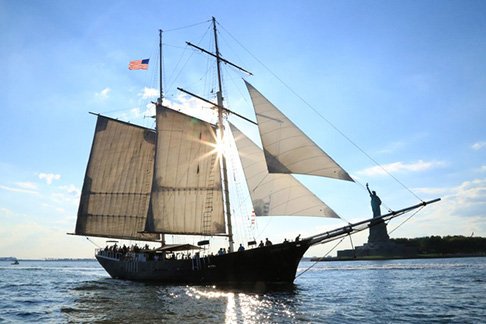
The Clipper City Daytime Sail offered by Manhattan by Sail is a fun-filled voyage around New York Harbor in a 158-foot-long schooner, whose massive sails hearken back to the bygone era of the 1800s. With a capacity of up to 150 people, the Clipper City provides plenty of room for passengers to take in the sights comfortably, whether mixing and mingling by the lively bar area or lounging on the raised quarter deck at the rear of the sailboat. The majestic Clipper City Daytime Sail departs from Pier 17 at the bustling South Street Seaport, whose location along the East River makes for great photo ops of the Brooklyn Bridge and Manhattan Bridge before the vessel even sets sail. The Clipper City's leisurely, 90-minute journey around New York Harbor offers plenty of photo-worthy sights, as the schooner slowly glides past the towering buildings that comprise the Lower Manhattan and New Jersey skylines, the former immigration station on Ellis Island, the greenery of Governor's Island and the iconic Statue of Liberty. Another fantastic moment to capture with your camera occurs when the crew hoists the Clipper City's massive sails, working with masts and rigging that rise 120 feet off the deck. This occasion also presents a wonderful opportunity to experience the thrill of sailing first-hand, as you can volunteer to help the crew with this exciting task. The crew themselves add to the festive spirit aboard the Clipper City, as they are happy to engage with the passengers and answer questions from sailing aficionados and novices alike. Another highlight for some adults will be the fully stocked bar, which features a steady stream of music and a variety of drinks for sale – including wine, beer, soda, juice and nautical-inspired cocktails like the Monkey's Fist. Passengers looking for a quieter ride can head to the raised quarter deck, where they can watch the captain steer the boat or simply soak in the beautiful sights around them. The Clipper City sails from late April until early October, twice a day at 2:15pm and 4:30pm.
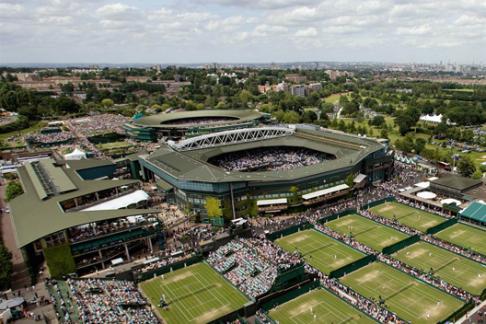
Highlights of the new Museum include: Fantastic New Cinema Within the walls of the new Wimbledon Lawn Tennis Museum is a remarkable cinema. The Cinema features a 200° screen that immerses the viewer into the world of The Championships by showing a film about the science of tennis. Filming took place during the 2005 Championships on Centre Court of Russia's Maria Sharapova against Spain's Nuria Llagostera Vives. Graham English Productions used a special panoramic rig that used 5 cameras at the same time, the result of which is a film that can be frozen and rotated around the field of action at any time. Using this technique, the film focuses on 20 different aspects of the match and showed viewers how players' bodies and equipment are affected during the course of a professional tennis match. McEnroe's Ghost Sighted at the New Museum Bringing together an old technique called 'Pepper's Ghost' with new projection and filming technology, the museum is able to create an exciting way to view a scene from Wimbledon's past. In a recreation of the 1980s Gentlemen's Dressing Room, a ghost-like image of John McEnroe appears and takes you through a tour of the normally off-limits area. McEnroe reminisces about his memories about the Dressing Room, including how he first met Jimmy Connors and how he would emotionally prepare himself for matches. The Whites of Wimbledon The fashions of Wimbledon continue to be a point of attention and significance to the story of tennis and the new Museum will house an extensive collection of Wimbledon attire. Everything from outfits worn in the 1880s to Rafeal Nadal's dri-fit 'pirate' trousers are on display. There is also an interactive exhibit where you can feel the weight difference between male and female clothing in 1884. Extraordinary New Technology Interactive touch screen consoles are evenly distributed throughout the Museum hallways. These information access points make up a part of the new and exiting technologies within the Museum. Other features are the 'Get a Grip' rotating wheel of rackets; 'The Reactor' game and an archive of great past Championship matches, all of which can be enjoyed by visitors of any age.
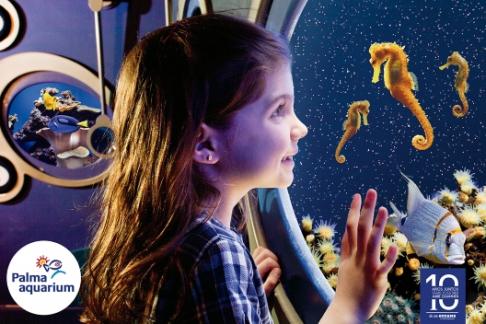
¡Descubre las profundidades! 1 km de viaje dividido en 5 mundos: el Viejo Mundo, el Nuevo Mundo, la Jungla, los Jardines y el Gran Azul . 55 tanques. 8.000 ejemplares de 700 especies. En las que se incluyen tiburones, peces payasos, peces cirujanos, tiburones martillos, peces globos y muchos más... Uno de los tanques de tiburones más profundos en Europa (con 8,5 m de profundidad contiene 3,5 millones de litros de agua salada natural). La mayor muestra de corales vivos de Europa. El único paisaje visto de una vez, uno de los más bonitos y diversos ecosistemas del mundo (un hábitat explorado normalmente solo por buceadores experimentados). Pantallas táctiles interactivas y educativas. Piscinas interactivas táctiles (con estrellas de mar, con erizos de mar y muchos más). Alberga la única exposición dedicada al problema del atún rojo. El área de la Jungla es la jungla de azotea más grande de Europa y recrea fielmente el microclima, la fauna, la flora y las cascadas de la Cuenca del Amazonas. 2 áreas de juego para niños (en el área exterior: el barco pirata, el castillo hinchable y el área de chapoteo. En el interior: zona de juegos blandos) Entretenimiento y diversión para todas las edades: Guías multilingües del océano con amplio conocimiento. Entretenimiento de niños (pinta caras, guerras de globos de agua, mini disco...). Alimentación/Charlas durante el día en español, inglés y alemán. Actividades extra: Barco para ver a los tiburones. Bucea con tiburones. Buceo/ Buceo con tubo con rayas (solo en verano). Nuestros valores: Nuestra filosofía es: conocer para valorar, valorar para proteger. El único centro de recuperación y rehabilitación de Mallorca (área vedada). Información de utilidad: Diversión para todas las edades con independencia del tiempo. Zonas de comida, en los que se incluye el buffet y comida a la carta. Wi-Fi gratuito. A pocos minutos del aeropuerto, la playa, el Centro Comercial Fan Mallorca y Palma. Paradas de transportes públicos justo fuera. Aparcamiento público exterior y subterráneo. Premio de accesibilidad (totalmente accesible para coches capota y sillas de ruedas).

Madame Tussauds Millones y millones de personas se han congregado en las puertas de Madame Tussauds desde que se abrieron hace 200 años y actualmente sigue siendo una actividad tan popular como antes. Hay muchas razones para este éxito duradero, pero en el fondo la clave de todo es la curiosidad humana. Los visitantes de hoy son enviados en un viaje extraordinario y emocionalmente por los reinos de los poderosos y famosos. Las típicas barreras de los museos desaparecen aquí para que los visitantes realmente se puedan acercar a las celebridades, leyendas del deporte, pesos pesados de la política y iconos histórios, dando a conocer hechos históricos, eventos y momentos que marcaron el mundo. Con 14 emocionantes e interactivas zonas así como la increíble experiencia cinematográfica Marvel Super Heroes 4D, el Madame Tussauds Londres combina toda la pompa y glamour con historias increíbles. Camine a través de la alfombra roja y pose al lado de Kate Winslet, justo antes de retar a sus deportistas favoritos como Tom Daley o Lewis Hamilton. Empiece su experiencia real con una audiencia con la Reina antes de posar junto a los Duques de Cambridge. También podrá acercarse a sus Superhéroes Marvel preferidos antes de vivir la espectacular y exclusiva película Marvel Super Heroes 4D, donde los Superhéroes de Marvel lucharán para salvar Londres de un mal creciente. ¿Con quién desea hacerse una foto? Zoo de Londres Territorio de los Tigres El Tiger Territory, hogar de los Tigres de Sumatra, una especie en grave peligro de extinción, está ahora abierta a los visitantes en el ZSL Zoo de Londres, donde una gran remodelación después de 186 años ha dado paso a un recinto de 2500 metros cuadrados. Quienes visiten el Tiger Territory se embarcarán en un viaje a través de su hábitat indonesio, encontrándose cara a cara con preciosos tigres a través de los ventanales de cristal ocupan . Cinco veces más grande que el antiguo hábitat de los tigres, la nueva zona ha sido diseñada con la ayuda de los cuidadores de tigres del ZSL, de los conservadores y expertos para asegurar que se adapta perfectamente a las necesidades de estos grandes felinos. Los tigres son trepadores excelentes y les gusta observar su territorio desde sitios altos, y Tiger Territory les facilita este tipo de comportamientos con grandes árboles que los tigres pueden escalar y puntos de alimentación altos para animar a que perpetúen sus instintos predadores naturales. Al contrario que a los gatos, a los tigres les encanta el agua, y los visitantes muy probablemente los podrán ver divirtiéndose en la piscina especialmente hecha para ellos. Cuando no están jugando con el agua, los tigres pueden acceder a las zonas interiores donde los visitantes podrán ver a estos grandes felinos relajándose. Un equipo de horticultores expertos del Zoo ha recreado con el máximo de esmero posible la fauna de Sumatra, recientemente investigada por uno de los cuidadores, Teague Stubbington, en su viaje al proyecto de conservación de tigres de la ZSL. La Tiger Territory también permitirá criar a Tigres de Sumatra en el Zoo de Londres para aprender más sobre ellos y poder aplicar estos conocimientos en el proyecto de conservación de la ZSL para esta especie. Tanto el Programa de Cría Europea como el Programa de Gestión Global de Especies para los Tigres de Sumatra están coordinados por el ZSL Zoo de Londres - donde los especialistas de la ZSL son responsables de asegurar una saludable y variada población de tigres en zoos de todo el mundo. El Tiger Territory informará e inspirará a las nuevas generaciones para que protejan al tigre y puedan entender su papel en la supervivencia de este bello animal. También ayudará a fundar el trabajo de conservación de los tigres de la ZSL. Aventura Animal El Zoo de Londres acaba de abrir Animal Adventure, el nuevo Zoo Infantil. Esta sección dará la oportunidad a miles de niños para sumergirse en las sensaciones, olores, sonidos y experiencias de la vida del reino animal. Playa de los Pingüinos Esta zona de 1200 metros cuadrados es cuatro veces más grande y tres veces más profunda que el antiguo espacio de los Pingüinos, y contiene 450.000 litros de agua. Esta gran zona convierte la hora de la comida en un espectáculo aún mayor que antes. Penguin Beach Live ofrece dos veces al día la oportunidad de ver a estos simpáticos animales sumergirse para cazar su comida. Penguin Beach será una instalación para la reproducción del Pingüino de Humboldt, Macaroni, el Pingüino Africano y el Rockhopper, que se incluirán en una unidad de guardería especial. Esta incluirá un módulo de incubación de las crías y una piscina para que los miembros jóvenes puedan aprender a nadar. El Paraíso de las Mariposas El Butterfly Paradise del ZSL Zoo de Londres ofrece una gran muestra de especies de las zonas más importantes del mundo incluyendo África, el sudeste asiático y Asia central así como Sudamérica. Conozca los Monos Hace dos años, el Zoo lanzó el recorrido Meet the Monkeys. El recinto se creó como alejamiento para la cría de Monos Ardilla Bolivianos en un hábitat diseñado para recrear las Selvas de Bolivia tan fielmente como se puede hacer en el Centro de Londres. Acuario El Aquarium ha sido parte del ZSL Zoo de Londres desde el 1853, y tiene una historia realmente interesante. Separada en tres espacios diferentes, el hogar de diferentes tipos de peces, el Aquarium está implicado en mucho y diferentes proyectos de cría y preservación. El Pavellón Blackburn Coja un vuelo hasta el nuevo espacio de pájaros tropicales en el recorrido del Blackburn Pavilion, y déjese transportar en un paraíso selvático en el centro de Londres! Punto de Observación Clore Rainforest ¡Nuevo en el ZSL Zoo de Londres! Sienta el calor de América del Sur en nuestro bioma tropical lleno de exóticos árboles y lleno de vida con monos, pájaros e invertebrados. ¡Y nada le separa de este increíble hábitat! Reino Gorila Este recinto pionero de 5.3 millones de Libras trae África Central al corazón de Londres. Le da a los visitantes la oportunidad de experimentar el fantástico mundo de estos animales en una ubicación natural sin barrotes. El Gorilla Kingdom destaca los peligros a los que se enfrentan estas majestuosas criaturas en la naturaleza. La ZSL trabaja para conservar y proteger los Gorilas, y este recinto es un importante avance en la concienciación y apoyo en esta dura situación.
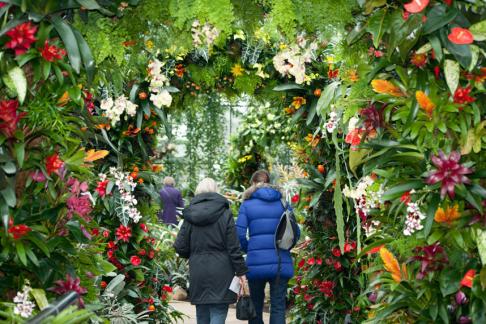
Kew Gardens, is a World Heritage Site located in 121 hectares of stunning vistas with six magnificent glasshouses set in a beautiful landscape beside the River Thames between Richmond and KEW in south-west London. Kew Gardens represents more than 250 years of historical gardens. It is home to a remarkable collection of over 30,000 types of plants from all over the world that range from the decorative to the peculiar. Kew Gardens provide opportunities for public enjoyment and enrichment and the behind-the-scenes scientific work helps ensure a sustainable future for plants and people. In the summer of 2004, Kew's determination to make serious botany great fun for children was demonstrated with the opening of 'Climbers and Creepers'. Bringing a new use to an old cycad house by White Peaks, Climbers and Creepers engages children from around 3-9 years in the pleasures of learning more about plants and their relationships with animals and people. Apart from the sheer beauty and tranquillity of the garden's landscapes Kew offers a wonderful day out for all, whether horticulturally, historically or botanically inclined. Botanical Highlights The dates below are approximate, and flowering can vary by three to four weeks, depending on the weather. Spring: Mid-February - early March: A million-and-a-half crocuses below the Temple of Bellona between Victoria Gate and King William's Temple - one of Kew's most spectacular displays (typically late Feb - early March). Camellias between Victoria Gate and the Shirley Sherwood Gallery of Botanic Art. Spring bedding and spring flowers in the open woodland around the Azalea Garden. Daffodils, forsythia and cherry blossom. Orchids, bromeliads and anthuriums in Kew’s Tropical Extravaganza, an annual display of exotic blooms in the Princess of Wales Conservatory. April - May: Lilacs near Kew Palace and White Peaks. Spring bedding in front of the Palm House. Scillas in the Woodland Garden. Flowering cherries, crab apples, magnolias and tulips throughout the gardens. May - June: Bluebells in the Queen's Cottage Grounds. Lilacs, azaleas, rhododendrons and magnolias, Brentford Gate area. The tiny but beautiful alpine flowers in the Davies Alpine House and the Rock Garden. Himalayan blue poppies and rhododendrons in the Woodland Garden. Native plants in long grass areas. Horse chestnut blossom. Summer: June - July: Summer flowers in the walled Duke's Garden and in the Woodland Garden. Giant water lilies growing rapidly in the Princess of Wales Conservatory and the Waterlily House. The Mediterranean Garden near King William's Temple. The Rose Pergola, the Rose Garden and the Order Beds. The Rock Garden. Tulip trees, opposite the Palm House, Philadelphus near the Pagoda. July - September: Themed summer bedding in front of the Palm House. The Order Beds. Giant water lilies flowering in the Princess of Wales Conservatory. Water lilies flowering in the Aquatic Garden and Waterlily House. The herbasceous borders of the Duke's Garden, fascinating medincinal herbs in the Queen's Garden, Grass Garden, Rose Garden. Hibiscus, hydrangeas and Indian bean trees. Autumn: September - October: Autumn crocus in September in the Woodland Glade - Kew's first burst of autumn colour. Belladonna lilies. Trees in autumn colour. October - November: Last of the autumn colours. Grass Garden. Autumn-flowering crocuses, colchicums and hardy cyclamen. Strawberry trees west of King William's Temple and between the Princess of Wales Conservatory and Rock Garden. Winter: November - December: Fruiting trees and shrubs, winter bark. Winter-flowering cherry. January - February: Snowdrops in the Rock Garden and Conservation Area, crocuses along the Princess Walk. Witch hazels by King William's Temple. Cornelian cherry in the winter border in the Duke's Garden. Duchess border along wall outside the Duke's Garden. Camellias between Victoria Gate and the Shirley Sherwood Gallery of Botanic Art. Clematis cirrhosa on the Rock Garden Wall. Rhododendrons in the Rhododendron Dell and, if the winter is mild, the carmine blooms of Magnolia campbellii might appear early. Shrubs in the Winter Border near the Ice House. The Davies Alpine House. Heathers, hellebores, viburnums and cornelian cherry.

all made by embroidery new fabrics retro package size: 30 * 20 * 5 ( cm ) gross weight/package: 0.4 ( kg ) embroidery and 100% stitched