Gratis
Apoyo


Madame Tussauds Millones y millones de personas se han congregado en las puertas de Madame Tussauds desde que se abrieron hace 200 años y actualmente sigue siendo una actividad tan popular como antes. Hay muchas razones para este éxito duradero, pero en el fondo la clave de todo es la curiosidad humana. Los visitantes de hoy son enviados en un viaje extraordinario y emocionalmente por los reinos de los poderosos y famosos. Las típicas barreras de los museos desaparecen aquí para que los visitantes realmente se puedan acercar a las celebridades, leyendas del deporte, pesos pesados de la política y iconos histórios, dando a conocer hechos históricos, eventos y momentos que marcaron el mundo. Con 14 emocionantes e interactivas zonas así como la increíble experiencia cinematográfica Marvel Super Heroes 4D, el Madame Tussauds Londres combina toda la pompa y glamour con historias increíbles. Camine a través de la alfombra roja y pose al lado de Kate Winslet, justo antes de retar a sus deportistas favoritos como Tom Daley o Lewis Hamilton. Empiece su experiencia real con una audiencia con la Reina antes de posar junto a los Duques de Cambridge. También podrá acercarse a sus Superhéroes Marvel preferidos antes de vivir la espectacular y exclusiva película Marvel Super Heroes 4D, donde los Superhéroes de Marvel lucharán para salvar Londres de un mal creciente. ¿Con quién desea hacerse una foto? Zoo de Londres Territorio de los Tigres El Tiger Territory, hogar de los Tigres de Sumatra, una especie en grave peligro de extinción, está ahora abierta a los visitantes en el ZSL Zoo de Londres, donde una gran remodelación después de 186 años ha dado paso a un recinto de 2500 metros cuadrados. Quienes visiten el Tiger Territory se embarcarán en un viaje a través de su hábitat indonesio, encontrándose cara a cara con preciosos tigres a través de los ventanales de cristal ocupan . Cinco veces más grande que el antiguo hábitat de los tigres, la nueva zona ha sido diseñada con la ayuda de los cuidadores de tigres del ZSL, de los conservadores y expertos para asegurar que se adapta perfectamente a las necesidades de estos grandes felinos. Los tigres son trepadores excelentes y les gusta observar su territorio desde sitios altos, y Tiger Territory les facilita este tipo de comportamientos con grandes árboles que los tigres pueden escalar y puntos de alimentación altos para animar a que perpetúen sus instintos predadores naturales. Al contrario que a los gatos, a los tigres les encanta el agua, y los visitantes muy probablemente los podrán ver divirtiéndose en la piscina especialmente hecha para ellos. Cuando no están jugando con el agua, los tigres pueden acceder a las zonas interiores donde los visitantes podrán ver a estos grandes felinos relajándose. Un equipo de horticultores expertos del Zoo ha recreado con el máximo de esmero posible la fauna de Sumatra, recientemente investigada por uno de los cuidadores, Teague Stubbington, en su viaje al proyecto de conservación de tigres de la ZSL. La Tiger Territory también permitirá criar a Tigres de Sumatra en el Zoo de Londres para aprender más sobre ellos y poder aplicar estos conocimientos en el proyecto de conservación de la ZSL para esta especie. Tanto el Programa de Cría Europea como el Programa de Gestión Global de Especies para los Tigres de Sumatra están coordinados por el ZSL Zoo de Londres - donde los especialistas de la ZSL son responsables de asegurar una saludable y variada población de tigres en zoos de todo el mundo. El Tiger Territory informará e inspirará a las nuevas generaciones para que protejan al tigre y puedan entender su papel en la supervivencia de este bello animal. También ayudará a fundar el trabajo de conservación de los tigres de la ZSL. Aventura Animal El Zoo de Londres acaba de abrir Animal Adventure, el nuevo Zoo Infantil. Esta sección dará la oportunidad a miles de niños para sumergirse en las sensaciones, olores, sonidos y experiencias de la vida del reino animal. Playa de los Pingüinos Esta zona de 1200 metros cuadrados es cuatro veces más grande y tres veces más profunda que el antiguo espacio de los Pingüinos, y contiene 450.000 litros de agua. Esta gran zona convierte la hora de la comida en un espectáculo aún mayor que antes. Penguin Beach Live ofrece dos veces al día la oportunidad de ver a estos simpáticos animales sumergirse para cazar su comida. Penguin Beach será una instalación para la reproducción del Pingüino de Humboldt, Macaroni, el Pingüino Africano y el Rockhopper, que se incluirán en una unidad de guardería especial. Esta incluirá un módulo de incubación de las crías y una piscina para que los miembros jóvenes puedan aprender a nadar. El Paraíso de las Mariposas El Butterfly Paradise del ZSL Zoo de Londres ofrece una gran muestra de especies de las zonas más importantes del mundo incluyendo África, el sudeste asiático y Asia central así como Sudamérica. Conozca los Monos Hace dos años, el Zoo lanzó el recorrido Meet the Monkeys. El recinto se creó como alejamiento para la cría de Monos Ardilla Bolivianos en un hábitat diseñado para recrear las Selvas de Bolivia tan fielmente como se puede hacer en el Centro de Londres. Acuario El Aquarium ha sido parte del ZSL Zoo de Londres desde el 1853, y tiene una historia realmente interesante. Separada en tres espacios diferentes, el hogar de diferentes tipos de peces, el Aquarium está implicado en mucho y diferentes proyectos de cría y preservación. El Pavellón Blackburn Coja un vuelo hasta el nuevo espacio de pájaros tropicales en el recorrido del Blackburn Pavilion, y déjese transportar en un paraíso selvático en el centro de Londres! Punto de Observación Clore Rainforest ¡Nuevo en el ZSL Zoo de Londres! Sienta el calor de América del Sur en nuestro bioma tropical lleno de exóticos árboles y lleno de vida con monos, pájaros e invertebrados. ¡Y nada le separa de este increíble hábitat! Reino Gorila Este recinto pionero de 5.3 millones de Libras trae África Central al corazón de Londres. Le da a los visitantes la oportunidad de experimentar el fantástico mundo de estos animales en una ubicación natural sin barrotes. El Gorilla Kingdom destaca los peligros a los que se enfrentan estas majestuosas criaturas en la naturaleza. La ZSL trabaja para conservar y proteger los Gorilas, y este recinto es un importante avance en la concienciación y apoyo en esta dura situación.
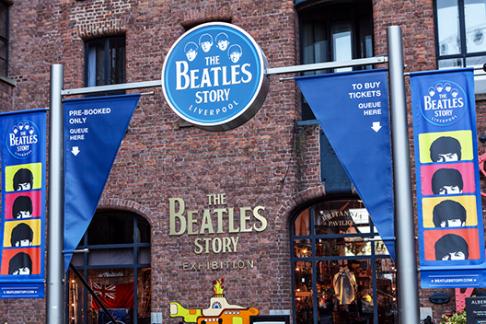
Languages Living History Audio Guide at Beatles Story Albert Dock has been compiled and is narrated by John Lennon's sister Julia and is complimentary. Ten languages: Brazilian Portuguese (new), English, French, German, Italian, Japanese, Mandarin (new) Polish, Russian and Spanish. We also have a family audio guide in English. Accessibility Parking – Albert Dock has a number of car parks on site and has in total eight accessible car parking bays, with three available in car park A, near to the estate’s main entrance and five in car park B opposite The Beatles Story and Premier Inn hotel. Wheelchairs – The exhibition is fully wheelchair accessible. Due to fire evacuation procedures, we can only admit three wheelchairs on site at any one time. We have a standard wheelchair available which can either be booked in advance by telephoning +44 (0) 151 709 1963 or borrowed on the day by asking a member of staff at the main entrance (subject to availability on the day). Lifts – We have two accessible lifts: One situated at our main entrance (accompanied with audio announcements) and one located in our Fab4 Store going down to the Fab4 Cafe. Toilets – Wheelchair-accessible toilets are available within the exhibition and also in the Fab4 Cafe area. Please see a member of staff for assistance. Induction Loops – Induction loops are available to use with our audio guides. Please see a member of staff when picking up your audio guide. Large Print Gallery Books – We have large print transcripts available in all 10 languages offered on our audio guide, which are available at our Admissions desk. Please ask a member of staff for more details. Guide Dogs – Guide dogs are welcome. Sign Language – Should you require sign language assistance, please contact us on +44 (0) 151 709 1963 and we will check staff availability to ensure that help is on hand during your day of visit. Cloakroom – Our cloakroom allows guests to store coats, prams/buggies and suitcases. Fab4 Cafe – The Fab4 Cafe is located on basement level and is accessible via the exhibition and our Fab4 Store. The Fab4 Cafe is partially self-served – however, assistance is available if required.
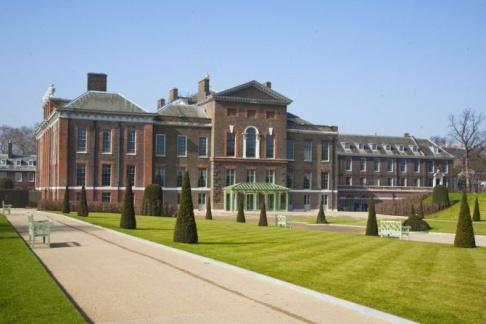
Kensington Palace Kensington Palace unveils a palace of secret stories and public lives following a £12m major project to create a palace for everyone. Visitors to Kensington Palace arrive through newly landscaped gardens and entrance hall to journey through the magnificent Kings and Queen’s State Apartments as a courtier. Filled with stories of two royal courts; the House of Stuart and the House of Hanover 1698 -1714, your success will depend on who you know, how you behave and how you dress. The rewards are great, but there are pitfalls along the way! Victoria Revealed, an exciting new permanent exhibition set within the rooms Victoria grew up in as a child, explores her life and reign through her own words. Imagine how she felt at just 17 years old on her first day as Queen at Kensington Palace, discover her romantic side through letters and gifts exchanged with Prince Albert and take a peep at moments of family life with her children. Tower of London One of the most famous buildings in the world, the Tower of London was constructed in the 11th century - almost a 1,000 years ago and has been witness to countless significant events in the development of Britain's now democratic monarchy. During your tour of the Tower of London you will meet the magnificent Yeoman Warders or 'Beefeaters', clad as they were in Tudor times, hear the legend of the ravens and spine chilling tales from the Tower's long history. See the infamous Bloody Tower where the Princes were murdered, Beauchamp Tower where visitors can read carved inscriptions of past prisoners and Traitors Gate where those unlucky enough not to survive imprisonment had their heads impaled - and much more. We sell at less than the gate price, which gives you access to all the Towers and Attractions, as well as the unique Gift Shops, the historic New Armouries Restaurant, Tower Cafe and Kiosk. Your Tower ticket also includes entry to the Crown Jewels. Things to do and See at the Tower of London: Line of Kings Exhibition For over 300 years visitors to the Tower of London have marvelled at displays featuring arms and royal armour, life-sized wooden horses and figures of kings. The White Tower Currently hosting the Power House exhibition, about the various national institutions founded at the Tower of London, the White Tower is recognised as one of the most important historic buildings in the world. It has become an iconic symbol for Britain and London and is a must do on any trip to the Tower of London. Entry to The White Tower is included in the Tower of London ticket price. The Crown Jewels The Jewel house at the Tower of London houses the world famous Crown Jewels. 23,578 precious stones and gems make up the Crown Jewels and include the world’s most famous diamond ‘ The Great Star of Africa’. Entry to The Crown Jewels is included in the Tower of London ticket price. The Yeoman Warder tours The Yeoman Warders, also known as beefeaters, are the public face of the Tower of London. As well as guarding the Tower and Crown Jewels they also provide tours for visitor where they regale you with tales from the Tower. Yeoman Warder Tours are included in the Tower of London Ticket Price The Royal Beasts The last thing you’d expect to see at the Tower of London would be Lions, Tigers, Elephants and Polar Bears, but for over 600 years the Royal Menagerie played host to these and many more. Discover their extraordinary stories and what life was like for them at the tower. Entry to The Royal Menagerie is included in the Tower of London ticket price. The Prisoners Exhibition Aside from the Crown Jewels the Tower of London is probably best known for being a prison. Prisoners have been at the Tower almost since it was built and the new interactive displays in the Prisoners exhibition help children and adults explore their stories. Entry to The Prisoners Exhibition is included in the Tower of London ticket price. The Ravens ‘the kingdom and the Tower will fall if the six ravens ever leave the Tower of London’, well according to legend anyway. Whether this is true or not the ravens have become on of the Tower’s most famous sites, just make sure you see at least 6 when you visit! The Tower Green Believe it or not being executed inside the Tower of London was considered a privilege for those of high rank. The Tower Green contains a permanent memorial for those ‘lucky’ enough to be executed there. The Medieval Palace Being the oldest part of the Tower of London, the Medieval Palace contains amazing interiors that you won’t see anywhere else. here you can experience what life might have been like in a luxurious medieval household. Entry to The Medieval Palace is included in the Tower of London ticket price. River Rover Hopper Pass With the River Red Rover ticket you travel in luxury on a fleet of river liners and may hop on or off at any of the piers as often as you like throughout the day. As the River Thames weaves its way through the heart of London there is history around every bend and there is no better way to see and experience the sights and splendour of this great city than from one of City Cruises modern, wheelchair-friendly RiverLiners™. Enjoy unsurpassed views of some of London's most famous landmarks from the vantage point of our open upper decks and spacious lower saloons with panoramic windows. Take advantage of two bars providing light refreshments and snacks . Cruises depart frequently from Westminster Pier, Waterloo (London Eye) Pier, Tower Pier and Greenwich Pier every day of the year except Christmas Day (25th December). Our shortest trips between piers last about 20-30 minutes while the full round trip takes about two-and-a-half leisurely hours.
Empezaremos la visita en El Escorial, símbolo del poderío español del siglo XVI, que conmemora la Batalla de San Quintín y es el Panteón de los restos del Emperador Carlos V. Su construcción fue regida por la razón, la simetría y el equilibrio, y guarda los grandes exponentes del humanismo renacentista. Por esta razón, durante años fue considerado la octava maravilla del mundo. La visita incluye El Palacio de los Austrias, el Panteón de Los Reyes e Infantes, la Sala Capitular y la Basílica. A 9 km de El Escorial se encuentra la siguiente parada de nuestra visita: la basílica del Valle de los Caídos. Construida entre 1940 y 1959 para honrar a los españoles que murieron durante la Guerra Civil, esta grandiosa construcción está excavada en la montaña a 1350 m sobre el nivel del mar. En ella, una impresionante cruz de 150 m de altura se erige sobre el magnífico paraje natural de la sierra madrileña.

Disneyland® Park In a Magical Kingdom not so far away - somewhere between a place where you wish upon a star and dreams come true - classic Disney heroes and heroines live once upon a time in fairytales that are, happily, never ending. 5 magical lands, endless fun, pick one that's for you... or pick them all! Experience your favourite Disney® Lands just as you remember them in classic Disney stories where fairytales really do come true. Endless attractions and thrills that come in all sizes and shapes. There are big thrills such as Space Mountain Mission 2 that takes you to the edge of the universe. For little ones, they can sail around the world with " it's a small world". Family fun can be found in every corner of the Park, from Pirates of the Caribbean to the Mad Hatter's Tea Cups. Meet Disney® Characters The Park where favourite Disney® Characters live and can't wait to meet you. Alongside Mickey and Minnie, say 'Howdy' to Goofy and 'Hello Honey' to Pooh. Get a hug, an autograph and a photo. Just say 'cheese.' It's party time! Every day's a party at Disneyland® Park. On top of all the wonderful attractions and characters, there are lots of spectacular family parade and shows to enjoy, all year round. Enjoy our wonderful shows and parades every day! Walt Disney Studios® Park Right next door to Disneyland® Park, discover the magical world of cinema and television at Walt Disney Studios Park - 4 cinemagical 'lots', featuring thrilling attractions and spectacular shows with your dreams centre-stage. Explore the scenes on 4 studio lots. Where your "screendreams" come true! It's showbiz, folks! Make your big screen debut at Production Courtyard, Toon Studio, Backlot and Front lot. It's a star studded itinerary, and you never know what star you'll bump into. Blockbuster preview attractions. You ought to be in pictures! It's your day to be discovered while exploring all there is to see at Disney® Studios - The Studio Tram Tour: Behind the Magic, Disney Cinema Parade, Animagique and 'lots' more... Walt Disney Studios® Park, where movie magic abounds. Get behind the scenes with our never seen before Parade and tours. Why not take in a spectacular Show or Parade to round off the day like the Studio Tram Tour: Behind the Magic or our Moteurs...Action! Stunt Show Spectacular? Then you'll know exactly what it's like to be a star.

Lugares que visitará: Barrio de Oltrarno Piazza Santo Spirito Bares y restaurantes locales Incluye: Toda la comida, catas de vino y gelato. Guía experto en comida con inglés fluido. Grupos pequeños de un máximo de 14 personas. No Incluye: Propinas Recogida y vuelta al hotel