Kensington Palace
Kensington Palace London, residence of members of the Royal Family since the 17th century, the childhood home of Queen Victoria, and now the official residence of the Duke and Dutchess of Cambridge is a must see for any Royal fan.
Visitors to Kensington Palace arrive through newly landscaped gardens and entrance hall to journey through the magnificent Kings and Queen’s State Apartments as a courtier. Filled with stories of two royal courts; the House of Stuart and the House of Hanover 1698 -1714, your success will depend on who you know, how you behave and how you dress. The rewards are great, but there are pitfalls along the way!
Tower of London
One of the most famous buildings in the world, the Tower of London was constructed in the 11th century - almost a 1,000 years ago and has been witness to countless significant events in the development of Britain's now democratic monarchy.
During your tour of the Tower of London you will meet the magnificent Yeoman Warders or 'Beefeaters', clad as they were in Tudor times, hear the legend of the ravens and spine chilling tales from the Tower's long history. See the infamous Bloody Tower where the Princes were murdered, Beauchamp Tower where visitors can read carved inscriptions of past prisoners and Traitors Gate where those unlucky enough not to survive imprisonment had their heads impaled - and much more.
We sell at less than the gate price, which gives you access to all the Towers and Attractions, as well as the unique Gift Shops, the historic New Armouries Restaurant, Tower Cafe and Kiosk. Your Tower ticket also includes entry to the Crown Jewels.
Things to do and See at the Tower of London:
Line of Kings Exhibition
For over 300 years visitors to the Tower of London have marvelled at displays featuring arms and royal armour, life-sized wooden horses and figures of kings.
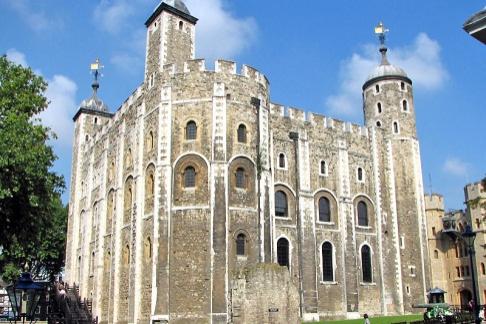
The White Tower
Currently hosting the Power House exhibition, about the various national institutions founded at the Tower of London, the White Tower is recognised as one of the most important historic buildings in the world. It has become an iconic symbol for Britain and London and is a must do on any trip to the Tower of London.
Entry to The White Tower is included in the Tower of London ticket price.
The Crown Jewels
The Jewel house at the Tower of London houses the world famous Crown Jewels. 23,578 precious stones and gems make up the Crown Jewels and include the world’s most famous diamond ‘ The Great Star of Africa’.
Entry to The Crown Jewels is included in the Tower of London ticket price.
The Yeoman Warder tours
The Yeoman Warders, also known as beefeaters, are the public face of the Tower of London. As well as guarding the Tower and Crown Jewels they also provide tours for visitor where they regale you with tales from the Tower.
Yeoman Warder Tours are included in the Tower of London Ticket Price
The Royal Beasts
The last thing you’d expect to see at the Tower of London would be Lions, Tigers, Elephants and Polar Bears, but for over 600 years the Royal Menagerie played host to these and many more. Discover their extraordinary stories and what life was like for them at the tower.
Entry to The Royal Menagerie is included in the Tower of London ticket price.
The Prisoners Exhibition
Aside from the Crown Jewels the Tower of London is probably best known for being a prison. Prisoners have been at the Tower almost since it was built and the new interactive displays in the Prisoners exhibition help children and adults explore their stories.
Entry to The Prisoners Exhibition is included in the Tower of London ticket price.
The Ravens
‘the kingdom and the Tower will fall if the six ravens ever leave the Tower of London’, well according to legend anyway. Whether this is true or not the ravens have become on of the Tower’s most famous sites, just make sure you see at least 6 when you visit!
The Tower Green
Believe it or not being executed inside the Tower of London was considered a privilege for those of high rank. The Tower Green contains a permanent memorial for those ‘lucky’ enough to be executed there.
The Medieval Palace
Being the oldest part of the Tower of London, the Medieval Palace contains amazing interiors that you won’t see anywhere else. here you can experience what life might have been like in a luxurious medieval household.
Entry to The Medieval Palace is included in the Tower of London ticket price.
River Rover Hopper Pass
With the River Red Rover ticket you travel in luxury on a fleet of river liners and may hop on or off at any of the piers as often as you like throughout the day.
As the River Thames weaves its way through the heart of London there is history around every bend and there is no better way to see and experience the sights and splendour of this great city than from one of City Cruises modern, wheelchair-friendly RiverLiners™.
Enjoy unsurpassed views of some of London's most famous landmarks from the vantage point of our open upper decks and spacious lower saloons with panoramic windows. Take advantage of two bars providing light refreshments and snacks .
Cruises depart frequently from Westminster Pier, Waterloo (London Eye) Pier, Tower Pier and Greenwich Pier every day of the year except Christmas Day (25th December).
Our shortest trips between piers last about 20-30 minutes while the full round trip takes about two-and-a-half leisurely hours.