The Go Chicago® Card is the best choice for maximum savings and flexibility. Save up to 55% off retail prices on admission to 25 top attractions and tours for one low price, including Shedd Aquarium, Navy Pier, Skydeck Chicago, The Field Museum, a hop-on hop-off trolley tour, lake and river cruises, and more. Enjoy the flexibility to choose attractions when you get to Chicago and do as much as you want each day.
Save Money! Pay one low price and save up to 55% off combined admission prices.
Save Time & Hassle - Pay nothing at the gate and skip the line at select attractions.
Flexibility Create your own itinerary from over 25 attraction choices.
Freedom No limitations. Do as much as you want each day.
Insider Info Free guidebook and map.
Click here for a complete list of current attractions included with the Go Chicago® Card
In Barcelona you can see the best of Gaudí at the Sagrada Família, La Pedrera and the Casa Batlló, relive Barça's victories, enjoy yourself with your kids on the Golondrinas pleasure boats and at Barcelona Zoo, or discover the wonders of the Museu Nacional d'Art de Catalunya and other museums. You'll be able to do all this and much, much more, free or at a reduced price, with the Barcelona Card.
With just one card you'll be able to travel free on the metro, buses, Catalan railways (FGC), trams and even on the airport train and metro. You'll save time and money as you can also take advantage of free admission to, or discounts at, Barcelona's most important museums and many places of interest, leisure attractions, nightclubs, restaurants, on visits and tours, entertainment, unique means of transport and other services.
And for the little ones, aged 4 to 12, there's the Barcelona Card Kids, which gives you all the advantages of the Barcelona Card for a similar price than a travel pass.
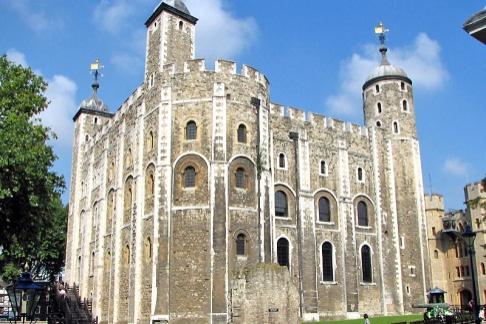
One of the most famous buildings in the world, the Tower of London was constructed in the 11th century - almost a 1,000 years ago and has been witness to countless significant events in the development of Britain's now democratic monarchy.
During your tour of the Tower of London you will meet the magnificent Yeoman Warders or 'Beefeaters', clad as they were in Tudor times, hear the legend of the ravens and spine chilling tales from the Tower's long history. See the infamous Bloody Tower where the Princes were murdered, Beauchamp Tower where visitors can read carved inscriptions of past prisoners and Traitors Gate where those unlucky enough not to survive imprisonment had their heads impaled - and much more.
We sell at less than the gate price, which gives you access to all the Towers and Attractions, as well as the unique Gift Shops, the historic New Armouries Restaurant, Tower Cafe and Kiosk. Your Tower ticket also includes entry to the Crown Jewels.
Westminster Abbey
Glorious Architecture
This magnificent gothic construct is a sight to behold and the incredible stained glass is some of the most impressive in the UK.
Coronation Chair
Created for King Edward I in 1296, the chair has been the seat for the crowning of every monarch since 1308, including Queen Victoria and our current reigning Queen, HRH Elizabeth II. It is the oldest piece of furniture in the UK that is still used for its original intention.
Poets’ Corner
The literary corner of the Abbey is named due to the large amount of poets and writers buried there, including Geoffrey Chaucer, Charles Dickens, Rudyard Kipling and Thomas Hardy, as well as many memorial stones and busts dedicated to the likes of Shakespeare and loved Scottish poet Robert Burns.
Kings and Queens
Westminster Abbey has been the coronation church since 1066 and seventeen monarchs are buried there. The Abbey was also the place where William and Kate tied the knot in 2011.
hattric-Geschenkgutschein über 50 Euro
Sie möchten Freunden oder Verwandten eine Freude machen und habe keine Idee was Sie verschenken können?
Wir haben die Lösung: Überreichen Sie als Präsent einen Geschenkgutschein von hattric!
Und so einfach geht‘s: Sie bestellen hier diesen Gutschein und Sie erhalten in
Explore the National Mall and experience the joy and freedom of riding the most unique vehicle created.
After learning how to ride your Segway, you’ll roll right up the center of Pennsylvania Avenue, glide to the monuments and memorials on the National Mall, and visit some fun off-the-mall spots along the way.
On this tour, you will see: US Capital Building, Library of Congress, Supreme Court, Smithsonian Castle and several Smithsonian museums, Washington Monument, WWII Memorial, Korean War Veterans Memorial, Vietnam Veterans Memorial, and the Lincoln Memorial, the White House and more. Inclusions: Guided tour includes Segway, helmet, snack, and bottled water NOT included: Gratuities Participants must be 16 years or old. Weight minimum is 100lbs, maximum 260 lbs.
New York CityPASS®: See New York's six best attractions at one great price. Skip most ticket lines and save over $82.00.
The New York CityPASS® program packs six of New York’s best attractions into a prepaid ticket book that saves over 42% off regular combined admission — and allows users to skip most main-entrance ticket lines.
CityPASS New York tickets are valid for 9 days from start of use, give priority entry to many attractions and come with an informative pocket-sized booklet.
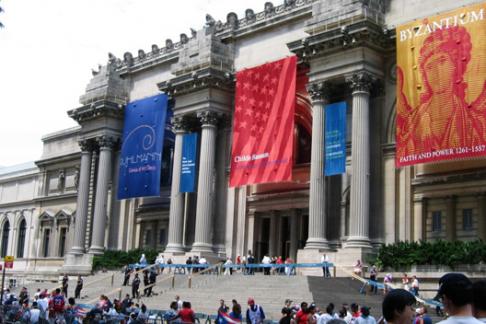
With your CityPASS you can see breathtaking views of New York from the 86th floor Observation Deck of the Empire State Building or enjoy free entry to the American Natural History Museum and the Metropolitan Museum of Art.
You can also choose between Top of the Rock Observation Deck at the Rockefeller Centre or the ultra-modern Guggenheim Museum and a vast array of iconic attractions.
The CityPASS New York also offers a choice of two river cruises for more relaxed sightseeing.
New York CityPASS® ticket books include:
• Empire State Building Experience (day/night entry to the 86th-floor Observatory
• American Museum of Natural History
• The Metropolitan Museum of Art (same-week admission to The Cloisters museum and gardens after visiting the Met)
• Top of the Rock® Observatory OR Guggenheim Museum
• Statue of Liberty & Ellis Island OR Circle Line Sightseeing Cruises
• 9/11 Memorial & Museum OR the Intrepid, Sea, Air & Space Museum
Option Tickets — You choose which of the two attractions you prefer to visit, but you do not need to
decide this at the time of purchase.
We have done all the work so you can save time and money. Each ticket booklet is packed with useful information, such as hours of operation, transportation information, contact information and insiders’ tips so you can use each moment of your vacation to its fullest - yet it is so compact, it will fit into your back pocket.
It’s all you need to see the best of the city that never sleeps - New York City!
Why not combine this ticket with an 2 Day Hop-on/Hop-off Double Decker Bus Tour?