Gratis
Apoyo
Kew Gardens, is a World Heritage Site located in 121 hectares of stunning vistas with six magnificent glasshouses set in a beautiful landscape beside the River Thames between Richmond and KEW in south-west London. Kew Gardens represents more than 250 years of historical gardens. It is home to a remarkable collection of over 30,000 types of plants from all over the world that range from the decorative to the peculiar. Kew Gardens provide opportunities for public enjoyment and enrichment and the behind-the-scenes scientific work helps ensure a sustainable future for plants and people. In the summer of 2004, Kew's determination to make serious botany great fun for children was demonstrated with the opening of 'Climbers and Creepers'. Bringing a new use to an old cycad house by White Peaks, Climbers and Creepers engages children from around 3-9 years in the pleasures of learning more about plants and their relationships with animals and people. Apart from the sheer beauty and tranquillity of the garden's landscapes Kew offers a wonderful day out for all, whether horticulturally, historically or botanically inclined. Botanical Highlights The dates below are approximate, and flowering can vary by three to four weeks, depending on the weather. Spring: Mid-February - early March: A million-and-a-half crocuses below the Temple of Bellona between Victoria Gate and King William's Temple - one of Kew's most spectacular displays (typically late Feb - early March). Camellias between Victoria Gate and the Shirley Sherwood Gallery of Botanic Art. Spring bedding and spring flowers in the open woodland around the Azalea Garden. Daffodils, forsythia and cherry blossom. Orchids, bromeliads and anthuriums in Kew’s Tropical Extravaganza, an annual display of exotic blooms in the Princess of Wales Conservatory. April - May: Lilacs near Kew Palace and White Peaks. Spring bedding in front of the Palm House. Scillas in the Woodland Garden. Flowering cherries, crab apples, magnolias and tulips throughout the gardens. May - June: Bluebells in the Queen's Cottage Grounds. Lilacs, azaleas, rhododendrons and magnolias, Brentford Gate area. The tiny but beautiful alpine flowers in the Davies Alpine House and the Rock Garden. Himalayan blue poppies and rhododendrons in the Woodland Garden. Native plants in long grass areas. Horse chestnut blossom. Summer: June - July: Summer flowers in the walled Duke's Garden and in the Woodland Garden. Giant water lilies growing rapidly in the Princess of Wales Conservatory and the Waterlily House. The Mediterranean Garden near King William's Temple. The Rose Pergola, the Rose Garden and the Order Beds. The Rock Garden. Tulip trees, opposite the Palm House, Philadelphus near the Pagoda. July - September: Themed summer bedding in front of the Palm House. The Order Beds. Giant water lilies flowering in the Princess of Wales Conservatory. Water lilies flowering in the Aquatic Garden and Waterlily House. The herbasceous borders of the Duke's Garden, fascinating medincinal herbs in the Queen's Garden, Grass Garden, Rose Garden. Hibiscus, hydrangeas and Indian bean trees. Autumn: September - October: Autumn crocus in September in the Woodland Glade - Kew's first burst of autumn colour. Belladonna lilies. Trees in autumn colour. October - November: Last of the autumn colours. Grass Garden. Autumn-flowering crocuses, colchicums and hardy cyclamen. Strawberry trees west of King William's Temple and between the Princess of Wales Conservatory and Rock Garden. Winter: November - December: Fruiting trees and shrubs, winter bark. Winter-flowering cherry. January - February: Snowdrops in the Rock Garden and Conservation Area, crocuses along the Princess Walk. Witch hazels by King William's Temple. Cornelian cherry in the winter border in the Duke's Garden. Duchess border along wall outside the Duke's Garden. Camellias between Victoria Gate and the Shirley Sherwood Gallery of Botanic Art. Clematis cirrhosa on the Rock Garden Wall. Rhododendrons in the Rhododendron Dell and, if the winter is mild, the carmine blooms of Magnolia campbellii might appear early. Shrubs in the Winter Border near the Ice House. The Davies Alpine House. Heathers, hellebores, viburnums and cornelian cherry.
El Campo de golf de Lagos en Lumine (anteriormente Golf de PortAventura) vientos redondean el Sèquia área Mayor de pantanos, clasificado como un espacio de Interés Natural. El ambiente y el paisaje mediterráneos en que son perfectos para el relajante. Esto es el más técnicamente difícil de los tres cursos: sus Lazos diseñan las marcas un verdadero desafío para cualquier golfista. Diseñado por Greg Norman, esta Igualdad que 71 curso proporciona distancia con su 6.300 M de calles. Proveemos comida para todos los tamaño de grupos de los jugadores únicos en las vacaciones a los grupos y sociedades más grande que juegan mulitple cursos. Deberá mandar un correo electróniconos después de completar la reserva para que podamos confirmar los horario de salida y algún requisito adicional con que podemos ayudar.
Dreamworld has something for everyone with some of the biggest and best thrill rides, the cutest wildlife and the best heroes from DreamWorks and ABC KIDS. Located right next door is Whitewater World filled with slides and splash pools for all ages. Try out the Triple Vortex for high acceleration or the littlies can explore Wiggle Bay.
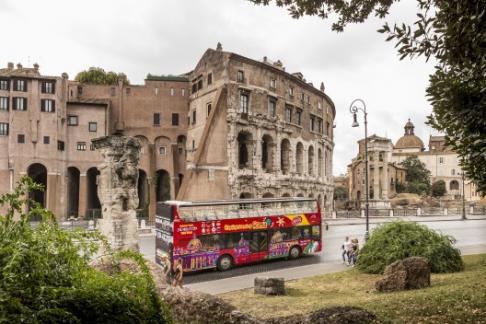
Comfortable shoes are recommended. Free tickets for disabled visitors and for accompanying persons may not be booked online. The free tickets are issued at the "Special Permits" desk or "Reception", situated in the entrance hall to the Vatican Museums. Entrance into the Vatican is subject to a strict dress code. Shoulders and knees must be covered. No low-cut or sleeveless tops or shorts will be not permitted for men and women. Clients that do not adhere to the dress code will not be permitted to enter the Vatican. The local tour provider cannot be held responsible for entry denied due to improper dress. Large handbags, haversacks etc. are not permitted inside the museum. Wardrobe services are available inside the Vatican Museums How to redeem your voucher: You can redeem your voucher on board of the Open Bus or City Sightseeing Visitor Center before 15:00
Wonderworks features over 100 interactive exhibits for visitors of all ages to experience. Some of the exhibits include the death defying bed-of-nails, wonder coasters, a bubble lab, and indoor glow-in-the-dark ropes course, astronaut training gyros and more! WonderWorks Orlando began as a Top Secret research laboratory on a remote island in the Bermuda Triangle. As legend has it, the world’s greatest scientists – led by Professor Wonder – were given the task of creating a man-made tornado and harnessing the POWER of it. During this experiment, something went awry and the power of the tornado was unleashed throughout the laboratory. This created a swirling vortex that was strong enough to rip the laboratory from its foundation. It was carried thousands of miles away and landed upside-down on the top of a brick warehouse in Orlando, Florida. Remarkably, all of the experiments remained intact and functional. When you enter the building, everything will be upside-down, so in order to participate in the fun, you must be inverted. Step inside the inversion tunnel and be turned right side up to begin your journey. Once you are properly aligned for your adventure, family fun awaits with more than 100 hands on exhibits.
Silhouette:Sheath / Column; Hemline / Train:Sweep / Brush Train; Closure:Zipper UP; Built-In Bra:Yes; Embellishment:Splicing; Fabric:Sequined,Satin; Sleeve Length:Long Sleeve; Tips:Professional dry cleaner only,Colors may vary slightly due to different monitor settings,Skirt color will be as pictured no matter which color dress you order; Boning:Yes; Style:Sparkle,Elegant; Occasion:Formal Evening,Prom; Neckline:Off Shoulder; Front page:Evening Dresses; Bust:; Hips:; Hollow to Floor:; Waist: