Gratis
Apoyo


Terms & Conditions "SeaWorld / Aquatica Combo" is a Ticket entitling the purchaser thereof to unlimited visits to SeaWorld and to Aquatica for up to fourteen (14) consecutive days from the date of first use. SeaWorld Orlando’s top rides include: Mako™: A 200-foot-tall hypercoaster that will reach speeds of up to 73 mph along 4,760-feet of steel track — nearly a mile long — leaving riders feeling both breathless and weightless. The ride, which will open at SeaWorld Orlando, will be the tallest, fastest and longest coaster in Orlando. Antarctica: Empire of the Penguin®: Explore the frozen wildernesses of Antarctica through the eyes of the world’s most loved bird - the penguin. Infinity Falls: Beneath a canopy of lush green foliage and surrounded by towering trees you’ll find a raft to board. Journey past drenching waterfalls to unearth the secrets of this lost rainforest river. You’d better hold on tight, because those roaring rapids might just send you plummeting over a huge drop into the churning white-water below. Would you expect anything less from the world’s tallest river rapid drop? Manta®: Discover what it’s like to skim, spin, glide and fly like a giant Manta ray on the only flying coaster of its kind anywhere in the world! Kraken® Unleashed - Virtual Reality: Named after a massive mythological underwater beast, Kraken is a monster coaster like no other. With open sides and no floor you’re left dangling… 140-feet above the earth… travelling at nearly 70mph… taking you upside down 7 times! Journey to Atlantis®: Journey through watery tunnels into the darker side of the sunken city of Atlantis. But watch out for the sting in the tail – a 60-feet plunge into the swirling waters below! SeaWorld top shows include: Clyde & Seamore’s Lion High® - Join Clyde and Seamore as they go in slippery pursuit of their high school diplomas. Based on an American high school, this fun-filled show also features mischievous otters, a cast of human characters and a 164-stone walrus! One Ocean®: Featuring Shamu®, the energetic, exciting One Ocean show takes you on a truly multi-sensory journey. Some of the pleasures of this spectacular include dancing fountains in vibrant, vivid colours and an incredible soundtrack which combines the unique sounds and rhythms of the ocean. Pets Ahoy!®: A cast of unlikely characters including potbellied pigs, doves, ducks, cats, dogs and a few surprise animal guests are the stars of this side-splitting family-friendly show. And best of all, all the stars are enjoying a new lease of life having been rescued from animal shelters by SeaWorld! SeaWorld top attractions include: TurtleTrek®: The world’s only 3D-360° experience that transports you into the amazing world of the turtle. Pacific Point Preserve®: Learn how to tell a sea lion from a seal and have the opportunity to feed these notoriously fun and cheeky SeaWorld inhabitants at Pacific Point Preserve. Dolphin Cove®: Visit one of the largest dolphin pools in the world and watch intelligent, fun-loving bottlenose dolphins from both above and below the surface of the water. Manta® Aquarium: Featuring ten, naturalistic aquariums which are home to over 3000 marine creatures including hundreds of rays, a visit to Manta puts you right in the middle of all the undersea action! Stingray Lagoon®: High-five a velvety, docile stingray as it swims past just beneath the surface of the Stingray Lagoon! Shamu® Underwater Viewing: Watch killer whales up-close as they glide by in this special underwater viewing area. Aquatica’s top rides include: Ihu's Breakaway Falls®: The world’s longest drop tower multi-slide ride of its kind. Standing at nearly 80-feet tall and with a vertical drop measuring 40-feet long, Ihu’s Breakaway Falls features four different slides each boasting the steepest and tallest 360-degree spirals in the southern United States! Dolphin Plunge®: 250 foot of clear, underwater tubes speed you to a Commerson’s dolphin habitat where they’ll race alongside you as you zoom through the tubes. This is a ride you’ll never, ever forget! Taumata Racer®: A high-speed, competitive mat ride, head-first, down a very, and we mean VERY steep hill. 300 feet. In and out of tunnels. A 360 degree turn. And you’re against the clock! Omaka Rocka™: This water slide - Omaka Rocka - thrills you with high-speed tubes and half-pipe funnels that'll have you splashing and sliding frontward and backward and climbing the walls! Loggerhead Lane™: Slow things down on a lazy river ride in a giant, inflatable rubber ring. The pace might be slow but the sights are spectacular – Commerson’s dolphins in their underwater habitat, along with thousands of startlingly beautiful tropical fish.

Las Vegas has a new home for the Best Comedy in the Country. “Las Vegas Live” Comedy Club will bring together a cross section of best comedians from NY, Chicago, Boston, L.A., and Las Vegas. Make this Vegas show one of the top things to do on your Vegas trip, and come see comedy aces from HBO, SHOWTIME, and COMEDY CENTRAL “live” on our stage. Las Vegas Live Comedy Club is conveniently located inside Miracle Mile Shops inside Planet Hollywood hotel and casino in the center of the Las Vegas Strip. Some of the best comics in the business are performing nightly at the Las Vegas Live Comedy Club in the V Theater at Planet Hollywood Resort & Casino. The comedians hail from some of the best comedy markets in the country, including Chicago, New York City, Boston, Los Angeles and Las Vegas. The comics have performed on HBO, Showtime and Comedy Central specials. Why not combine your visit to The Las Vegas Comedy Club with other famous attractions and activities in Las Vegas such as enjoying the nightlife, with the VIP Nite Tours or Grand Canyon Coaches
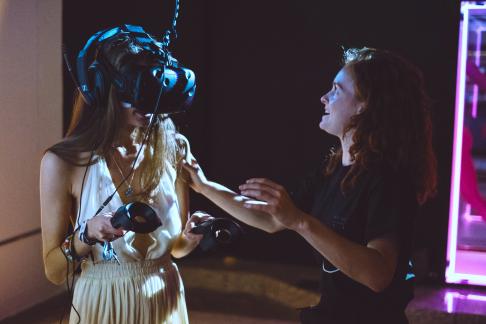
VR World There are a wide variety of experiences for all types of people. Some will enjoy shooting droids in space and fighting off zombies to racing on a track, while others will enjoy flying on a paraglider or climbing a mountain. Others still will enjoy watching short films or painting in the green room. Some experiences require full body motion while others are seated activities. Each participant gets approximately 5-10 minutes at each experience. At the gate, each participant will sign up using their real name, a screen name, an email, a phone number, and other pieces of information. While not required, if a participant signs up with their own phone number, they will receive a notification when they are at the the front of the queue for their attraction There are offering a wide selection of non-alcoholic drinks, beer, wine and liquor. Our house cocktails will not disappoint. Try the VRWorldian, Simon’s Escape, Caipirinha Assassin or Salty Borzoi to name just a few. No food at this time. There is no food inside the building, but guests are able to leave and re-enter the building during the time of their ticket. Empire State Building The world-famous 86th and 102nd floor Observatories offer unmatched views of New York City and on a clear day one can see to New Jersey, Connecticut, Massachusetts, Pennsylvania and Delaware. 1,050 feet above the city’s bustling streets, the 86th floor Observatory offers panoramic views from within a glass-enclosed pavilion and from the surrounding open-air promenade. 200 feet higher, our 102nd floor Observatory is a private and serene perch in the middle of the greatest city in the world. The Observatories have been a “must visit” for millions each year since it opened to the public in 1931. Each year approximately four million people are whisked to our 86th and 102nd floors, consistently one of New York City’s top tourist attractions. Visit the Observatories 365 days per year, day and night, rain or shine, for magnificent views of Manhattan and beyond. The Empire State Building embodies the feeling and spirit of New York City. It is recognized not only as an iconic landmark offering some of the most spectacular views on earth, but also as an international symbol of shared hopes, dreams, and accomplishment. Accessibility: The Empire State Building is fully ADA compliant. We have handicapped restrooms on the 86th Floor Observatory and also have lowered viewing walls and binoculars. Service dogs are allowed throughout the building. Motorized and non-motorized wheelchairs are permitted. The 86th Floor has ramps to make getting around easier and lowered viewing walls so that visitors in chairs can still take in the view.

Save money on Gate Price! A must see! Are you ready for an unprecedented, exciting experience? A new, going under the skin and exciting adventure through historic Berlin awaits you from spring 2013 in the capital! 9 infamous Berliners will take you on a journey through the history of the old Berlin in 9 scarily funny shows with amazing special effects and historical scenes. Experience over 700 years darkest Berlin history, from the Middle Ages to the 19th Century. Walk with friends on the fine line between fun and scare. Meet the limping monk Father Roderick, the legendary white woman or Berlin's most notorious serial killer, Carl Grossmann. Test your nerves on the raft that floats with you through the murky, dark waters of the Spree while trying to escape the deadly plague that has spread across the capital. This attraction is a must see for visitors and Berliners. It breathes life into the stories of the Hohenzollern, the City Palace, the Cathedral, the Silesian Station and many other places. The Berlin Dungeon opens it doors to history in the heart of the city, between Hackescher Markt and Alexanderplatz. A unique experience! You were never so close to the real story before! You can choose between German and English shows!
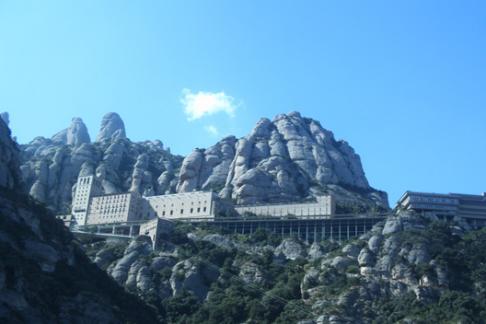
Montserrat Comience el recorrido desde Barcelona en un confortable autocar hacia las montañas de Montserrat, las cuales alcanzan majestuosamente la altura de 4,051 pies (1,236 metros). Las rocas de Montserrat son de un cemento natural de arena que durante siglos han sido modificadas por el viento y la lluvia, es por ello que tienen esa forma tan extraña y variada. La imaginación popular ha visto formas humanas o animales en alguno de sus picos, dándoles nombre e inventando leyendas para explicar su fantástico origen. Usted visitará la Real Basílica de Montserrat, la cual acoge la talla románica del siglo XII, la Verge Moreneta (la Virgen Negra). El santuario de Montserrat Benedicto fue fundado en el año 1025 y ofrece un telón de fondo místico de la Virgen de Montserrat, patrona de Cataluña, que está consagrado en la Real Basílica del monasterio. El pequeño monasterio pronto comenzó a recibir a peregrinos y visitantes que han contribuido a la difusión de historias de milagros y prodigios realizados por la Virgen. Hoy, Montserrat ha sido modernizada para seguir atendiendo las necesidades de los peregrinos mil años después de su fundación. La escolanía de Montserrat es uno de los coros de niños cantores más antiguos de Europa (S.XIV). Los días que hay canto podrán admirar sus magníficas actuaciones. El calendario de actuaciones está sujeto al calendario escolar y a eventos especiales de la escolanía y del monasterio. El tour a Montserrat finalizará en la oficina de Julià Travel de la calle Balmes 5, en el centro de la ciudad, desde donde se comenzará también la segunda parte del Tour. Barcelona Artística* Les llevaremos a conocer la Barcelona modernista, gracias a unos de los grandes innovadores de su tiempo, Antoni Gaudí. Este famoso arquitecto dejó a su paso numerosos tesoros para descubrir por el turista exigente. Comenzaremos por la Basílica de la Sagrada Familia, obra maestra que Gaudí dejó inacabada, el monumento más famoso de Barcelona en donde realizaremos un recorrido a pie por su exterior, desde donde se advierte que sus bóvedas alcanzan hasta los sesenta metros de altura y están abundante y simbólicamente decoradas. Continuaremos el recorrido en dirección al fantástico Park Güell, el cual fue declarado monumento artístico y patrimonio de la humanidad por la UNESCO. Tenga cuidado, ya que es fácil perderse en este diseño caprichoso, una perfecta integración de elementos arquitectónicos en la naturaleza. A continuación, nuestra visita continúa a pie por el Passeig de Gràcia, para admirar los famosos edificios de Gaudí como Casa Milà “La Pedrera” y la Casa Batlló, así como otros magníficos edificios modernistas. Tenga en cuenta: Salida a las 15:30h. Registrarse a las 15:15h en la Oficina de Viajes de Julià, c / Balmes 5. Por favor tenga en cuenta: Desde el 1 de Noviembre hasta el 31 de Marzo se visitará antes el Park Güell que la Sagrada Familia.
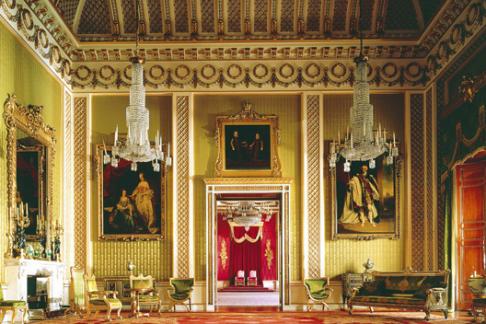
Buckingham Palace State Rooms Buckingham Palace serves as both the office and London residence of Her Majesty The Queen, as well as the administrative headquarters of the Royal Household. It is one of the few working royal palaces remaining in the world today. Today the Buckingham Palace State Rooms are used extensively by Her Majesty The Queen and Members of the Royal Family to receive and entertain their guests on State, ceremonial and official occasions. During August and September when The Queen makes her annual visit to Scotland, the Palace's nineteen state rooms are open to visitors. What there is to see? The Buckingham Palace State Rooms form the heart of the working palace and are lavishly furnished with some of the greatest treasures from the Royal Collection - paintings by Rembrandt, Rubens, Poussin and Canaletto; sculpture by Canova; exquisite examples of Sèvres porcelain; and some of the finest English and French furniture. Prince & Patron: To mark the 70th birthday of His Royal Highness The Prince of Wales this year, visitors to the Summer Opening of the State Rooms at Buckingham Palace will enjoy a special display featuring a number of works of art personally selected by His Royal Highness The Garden Described as a 'walled oasis in the middle of London', the Palace's garden is home to thirty different species of bird and more than 350 different wild flowers, some extremely rare. Visitors end their tour with a walk along the south side of the garden, with splendid views of the west front of the Palace and the famous lake. Multimedia Guide An Multimedia guide is included in the ticket price and is available in English, French, German, Spanish, Italian, and Japanese, Russian and Mandarin. There is also a family Multimedia guide (in English only) and accompanying activity trail, suitable for children 7-11 years. Changing of the Guard The Changing of the Guard ceremony takes place at 11:30 daily from April until the end of July and on alternate days for the rest of the year, weather permitting. The new guards arrive at the forecourt of the Palace at 11:30 from Wellington Barracks. The journey takes about 5 minutes and the soldiers are accompanied by a band. The ceremony is conducted on the Palace forecourt and takes approximately forty minutes to complete. [The Army have not yet released the schedule for July, August or September.] Wheelchair Access If you require wheelchair access or the use of the lift, you should not book with 365 Tickets.com and should pre-book tickets directly with Buckingham Palace. Access booking line: 0303 123 7324 www.royalcollection.org.uk or email [email protected] The Royal Mews What there is to see? One of the finest working stables in existence, the Royal Mews at Buckingham Palace provides a unique insight into the department of the Royal Household that provides transport by road for The Queen and other members of the Royal Family. The Carriage Horses During your visit to the Mews, you will see some of The Queen’s horses that draw the coaches and carriages in the Mews. The Cleveland Bays are used to escort newly appointed High Commissioners and Ambassadors to their audience with The Queen, when they present their formal credentials from their country’s Head of State. You may also see the famous Windsor Greys, so called because they were kept at Windsor during the reign of Queen Victoria and drew the private carriages of the royal family. They are at least 16.1 hands (1.65 metres) high and are chosen for their steady temperament and stamina. Coaches & Livery The Royal Mews houses the royal collection of historic carriages and coaches, which you may see in use during your visit. Among the vehicles on display are the Irish State Coach, in which The Queen travels to the State Opening of Parliament, and the Australian State Coach, which combines traditional craftsmanship with 20th-century technology to provide heating and remote-controlled windows. The most dazzling vehicle of all is the Gold State Coach, which was built for George III in 1762. Weighing almost four tonnes and requiring eight horses to pull it, it has carried every monarch to their coronation since 1821. Visitors to the Royal Mews can also see some of the fine livery worn by The Queen’s coachmen. Apart from a few small details, it remains much the same as it was in Victorian times. Remarkably, some of the tailors used for production of liveries today are the same companies employed during the reign of George III in the 18th century. Multimedia guide is included in the admission price and is available in the following languages:English, French, German, Spanish, Italian, Japanese, Chinese, Russian