Gratis
Apoyo
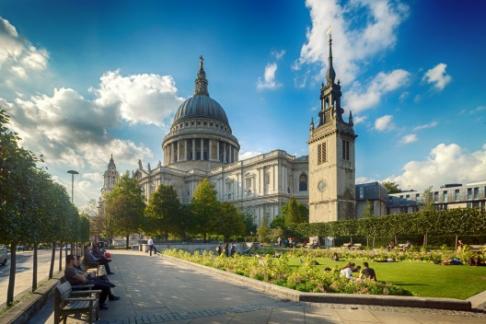
Die Kuppel der St. Paul's Cathedral ist aus der Skyline von London nicht wegzudenken. Nach dem der große Brand von London im Jahr 1666 den Vorgängerbau zerstörte, wurde die Kathedrale in den Jahren 1675 - 1710 nach den Plänen des berühmten Architekten Sir Christopher Wren gebaut. Sie war die erste Kathedrale, die zu Lebzeiten des Architekten fertiggestellt wurde. Seitdem werden in der St. Paul's Cathedral Ereignisse von nationaler und internationaler Bedeutung zelebriert. Königliche Hochzeiten, Thronjubiläen und Staatsbegräbnisse für britische Helden wie Winston Churchill fanden in den Gemäuern der Kathedrale statt. Sir Christopher Wrens architektonisches Meisterwerk wurde anlässlich des 300. Geburtstages der Kathedrale über 15 Jahre für 40 Millionen Pfund grundlegend renoviert. St Paul's Cathedral der bedeutenste sakrale Bau im Herzen von London und wird jedes Jahr von Millionen Menschen aus der ganzen Welt besucht. Besuchertickets können für Montag bis Samstag gebucht werden. Sonntags ist St. Pauls nur für Gottesdienste geöffnet. Die Standardtickets von 365-Tickets beinhalten einen Rabatt und werden einfach bei der Ankunft Eingang vorgezeigt. Kombinieren Sie Ihren Besuch der St Paul's Cathedral mit anderen attraktiven Zielen in London wie dem Kensington Palace oder einer Fahrt auf der Themse.
Poliorama Theatre
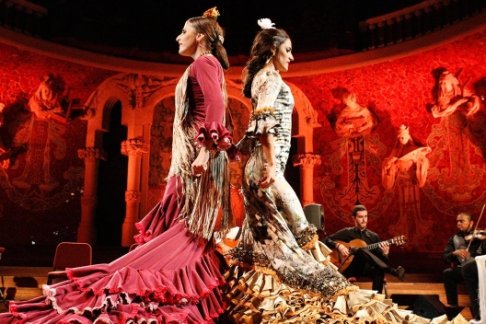
The Teatre Poliorama was inaugurated in 1906, it was built inside the building of “Real Academia de Ciencias y Artes” of Barcelona. Located in the heart of the Ramblas of Barcelona, one of the most famous and visited streets in the world, the Teatre Poliorama has always played a prominent role in the catalan cultural life.
During the Spanish Civil War, seized by the CNT-FAI, was the scene of shootings carried out by members of the POUM and CNT that George Orwell described in his work “Homage to Catalonia”. A personal story of the writer about his participation in the conflict between the years of 1937 and 1938.
The Teatre Poliorama is considered a classic of Las Ramblas and one of the main points of diffusion of culture in Barcelona.
Program:
Córdoba (Isaac Albéniz)
La vida breve (Manuel de Falla)
Zyriab (Paco de Lucía)
Recuerdo de Alhambra (Narciso Yepes)
Asturias (Isaac Albéniz)
Entre dos aguas (Paco de Lucía)
Ojos verdes (Rafael de León)
Penita Pena (Rafael de León)
La Danza del Fuego Fatuo (Manuel de Falla)
La bien paga (Juan Mostazo, Ramón Perelló)
Cast:
Percusión: Jacobo Sánchez
Guitarra: Luis Miguel Gómez
Guitarra: Juan Carlos Gómez
Bailaora: Vanesa Gálvez “La Lírio”
Cantaora: Mónica “La Chicuela”
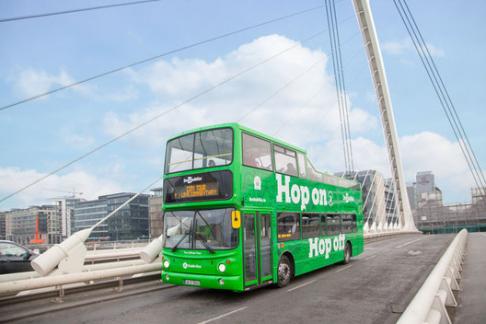
WHAT CAN I EXPECT Dublin's No.1 Hop on Hop off Tour since 1988 Kids go free. Free Little Museum & Walking Tour 33 Stops, Dublin's Best tour Guides For 1 Day tickets choose: 24 Hour Tickets Live Tour Auf Deutsch
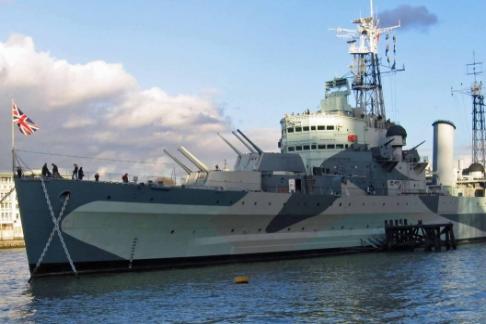
One of the most powerful large light cruisers ever built, HMS Belfast is now the only surviving vessel of her type to have seen active service during the Second World War. HMS Belfast played a leading part in the destruction of the battle cruiser Scharnhorst, and also the Normandy Landings. In service with the Royal Navy until 1965, she was saved for the nation in 1971 as a unique reminder of Britain’s naval heritage. Launch! Shipbuilding Through the Ages This new family-orientated exhibition will use hands-on and computerised interactive displays and engaging film and footage to demonstrate techniques of shipbuilding, from the ‘age of sail’ to modern prefabrication methods. The exhibition will focus on the science, engineering and social history of shipbuilding in Great Britain, and the interactive elements of the exhibition will allow children of all ages to get involved and experience this history. Explore ‘What shall we give in return for so much?’ One of the most powerful large light cruisers ever built, HMS Belfast is now the only surviving vessel of her type to have seen active service during the Second World War. Serving Britain for 32 years, she played an important role in both the Second World War and the Korean War as well as performing peacekeeping duties throughout the 1950s and 1960s. Saved from destruction in 1971, HMS Belfast is now part of the Imperial War Museum and is the first ship to be preserved for the nation since Nelson’s Victory. Through its team of staff and volunteers – many of whom are veteran crew – the Imperial War Museum is dedicated to making sure that HMS Belfast still has a role to play in reminding visitors of her unique place in Britain’s maritime heritage. History of HMS Belfast The term 'cruiser' goes back to the days of sailing ships when large frigates could be detached from the main fleet to cruise independently. The sailing cruiser, like her twentieth-century counterpart, was sufficiently powerful and fast to attack and destroy enemy commerce raiders. During the nineteenth century when sail gave way to steam and wooden ships were replaced by those built of iron, and later of steel, the cruiser evolved into a powerful warship which was used to patrol the Empire trade routes and protect friendly merchant shipping. After the First World War (1914-1918) a single category of cruiser emerged whose size was indicated by the size of its guns; thus, HMS Belfast is a 6-inch cruiser, designed for the protection of trade, for offensive action, and as a powerful support for amphibious operations. Please note: children under 16 must be accompanied by an adult. Please allow 1½ - 2 hours for your visit.
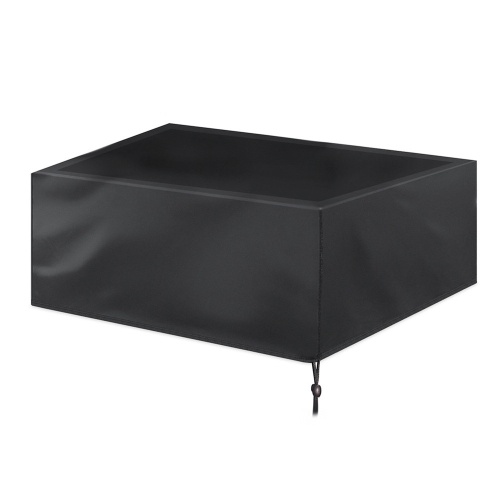
7/8 / 9ft Table de billard housse de protection meubles housse étanche anti-poussière étanche protecteur de Table avec cordon de serrage en tissu Oxford housse de poussière
date d'inscription:09/14/2020